N Chandrasekaran, Noel Tata Met Govt Officials Separately Amid Leadership Crisis
Tensions at the top of the Tata Group had reportedly reached government circles even before Tata Sons chairman N Chandrasekaran announced his decision to step down in February 2027. According to a Times of India report, Chandrasekaran and Tata Trusts chairman Noel Tata separately shared their concerns with senior government officials. The discussions reportedly touched on differences over…
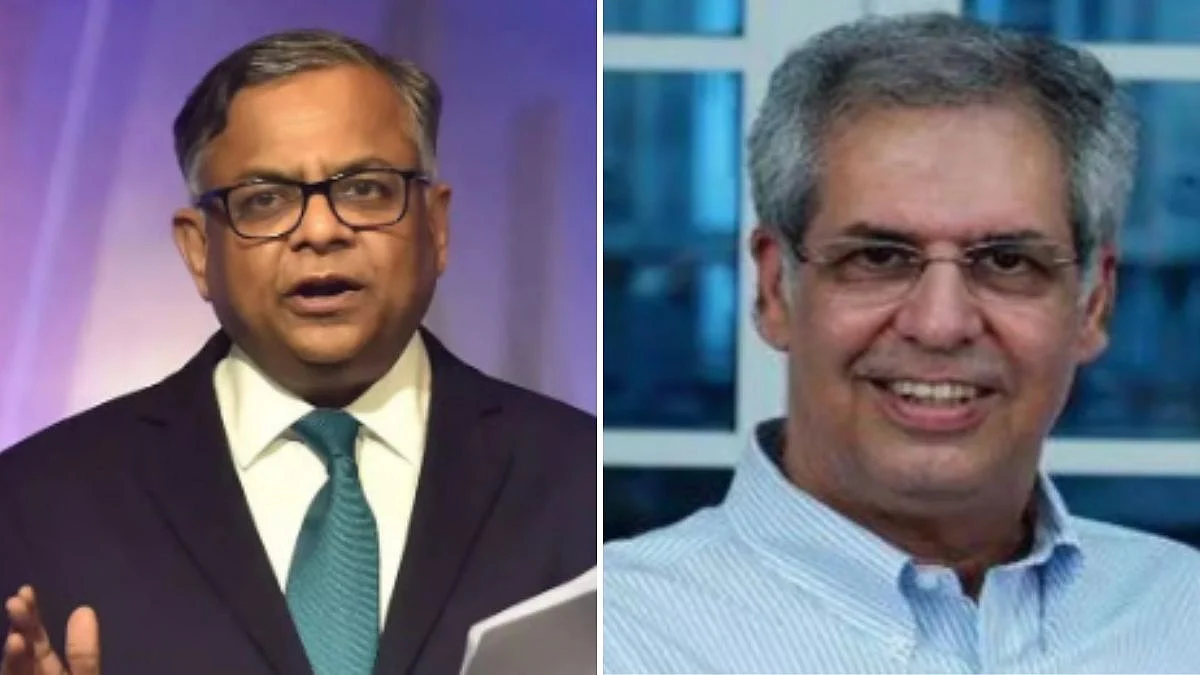
At the helm of the Tata Group, tensions have reportedly risen to the attention of government officials even before Tata Sons chairman N Chandrasekaran announced his resignation in February 2027. According to a report in The Times of India, Chandrasekaran and Tata Trusts chairman Noel Tata each discussed their concerns with senior government officials.
The primary issues they raised concerned differences in strategy, governance, new business ventures, and the eventual leadership of Tata Sons. The government, however, refrained from intervening and merely acknowledged the concerns raised by the two parties.
As Tata Group prepares for its Annual General Meeting on August 18, it faces a significant hurdle in meeting the quorum. The meeting is further complicated by a regulatory dispute involving the Sir Ratan Tata Trust. The strategic, governance, and business concerns highlighted by Chandrasekaran and Tata Trusts chairman Noel Tata come at a critical juncture for the conglomerate.
The Tata Group has heavily invested in various sectors, including Air India, semiconductors, electronics, and digital platforms, raising questions regarding capital allocation, performance, and future returns. Air India, for instance, has necessitated substantial investment since Tata Group regained control of the airline in 2022.
Meanwhile, Tata Electronics is actively developing a semiconductor fabrication plant in Gujarat in collaboration with Taiwan's Powerchip Semiconductor Manufacturing Corp, alongside building a broader electronics manufacturing ecosystem. The group's digital ventures, such as Tata Neu, have also entailed considerable expenditure, making the performance of these newer businesses a focal point of the strategic discourse.
N Chandrasekaran's resignation as Tata Sons chairman, effective upon the conclusion of his tenure on February 20, 2027, has brought succession into the spotlight. His leadership, which spanned from 2017, has overseen the group's expansion into aviation, electronics, semiconductors, and digital businesses. The departure of Chandrasekaran has reignited discussions about the unique governance structure of the Tata Group.
Collectively, Tata Trusts hold approximately 66% of Tata Sons, providing the charitable trusts with considerable influence over the holding company while its chairman manages day-to-day operations. This current turmoil echoes a previous conflict between Cyrus Mistry and the Tata leadership, which culminated in Mistry's removal as Tata Sons chairman in 2016 and a protracted legal dispute.
One of the potential flashpoints is the proposed IPO of Tata Sons. Tata Trusts have expressed apprehensions regarding the prospect of an initial public offering, as it could alter the ownership structure of the holding company and potentially diminish their influence. In June, Noel Tata reportedly met with senior officials of the Reserve Bank of India (RBI) to discuss this matter.
With Chandrasekaran's tenure drawing to a close, the Tata Group now confronts the dual challenge of managing leadership succession while addressing disagreements over governance, investment strategy, and the future structure of its flagship holding company.
Written by urgent.news from Free Press Journal's reporting — not their text. Machine-written — may contain errors; check the original before relying on it.