Morning Bid: Could consumers keep the Fed on hold, while Japan hikes?
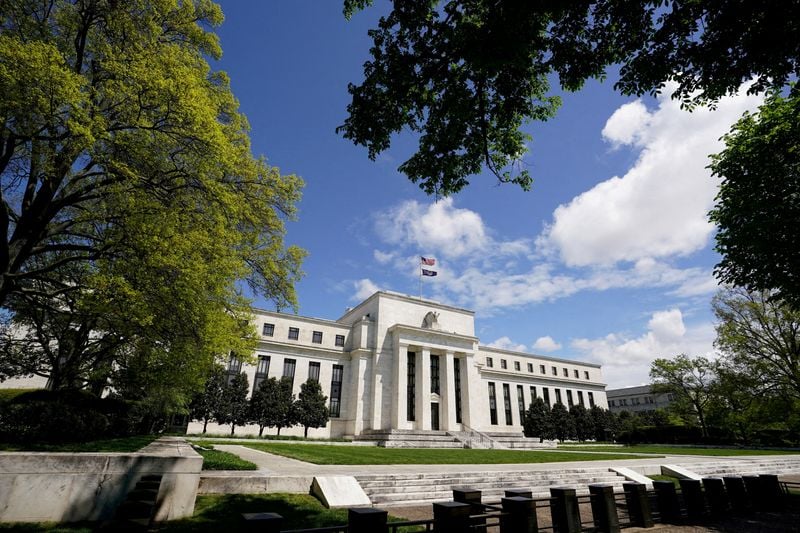
In the early hours of the market, the dollar faced a downward trend as traders mulled the prospect of potential interest rate hikes in Europe and Japan. The Federal Reserve's recent decision to hold rates sent a strong signal to global markets, which were keenly watching for any shifts in the monetary policy narrative. As the U.S. retail sales figures for May were released on Friday, signaling a 0.1% decline in sales for the month, analysts were focused on earnings reports from corporate giants Walmart and Home Depot.
The performance of these retail behemoths was expected to provide further clarity on the health of the U.S. consumer economy, which in turn might influence the Federal Reserve's stance on interest rates.
The Australian dollar and New Zealand dollar both achieved their best levels in two months, while the British pound and the euro were on the cusp of their multi-month highs. In contrast, the Japanese yen experienced a slight uptick, reflecting the evolving expectations around Japan's central bank's policy trajectory. Market sentiment began to favor a more aggressive pace of rate hikes by Japan's policymakers, with Bank of America analysts expressing a slightly more hawkish outlook than the prevailing consensus.
They now anticipate four interest rate hikes between September and July 2025, pushing the policy rate towards 2%.
Despite Japan's economic growth figures falling short of expectations on Monday, the market remained relatively unperturbed, with government bond yields surging. The benchmark 10-year sovereign yield reached a level not seen in nearly three decades, closing at 2.925%. The demand for Japanese government bonds remained robust, with the benchmark bond seeing heavy trading volume for six consecutive sessions. This heightened demand was driven by traders' confidence in a more aggressive interest rate policy shift in Japan.
While European markets were relatively quiet on Monday, with few economic indicators lined up, traders from China had to adjust their monthly activity data to fit into the London trading session. Later in the day, Canadian inflation data would be released, followed by European economic confidence indicators, flash Purchasing Managers' Indexes (PMIs), and minutes from last month's Federal Reserve meeting. These events were likely to continue shaping market sentiment throughout the day.
Written by urgent.news from Investing.com's reporting — not their text. Machine-written — may contain errors; check the original before relying on it.