March to July, Government sent one blocking order to social media firms every minute
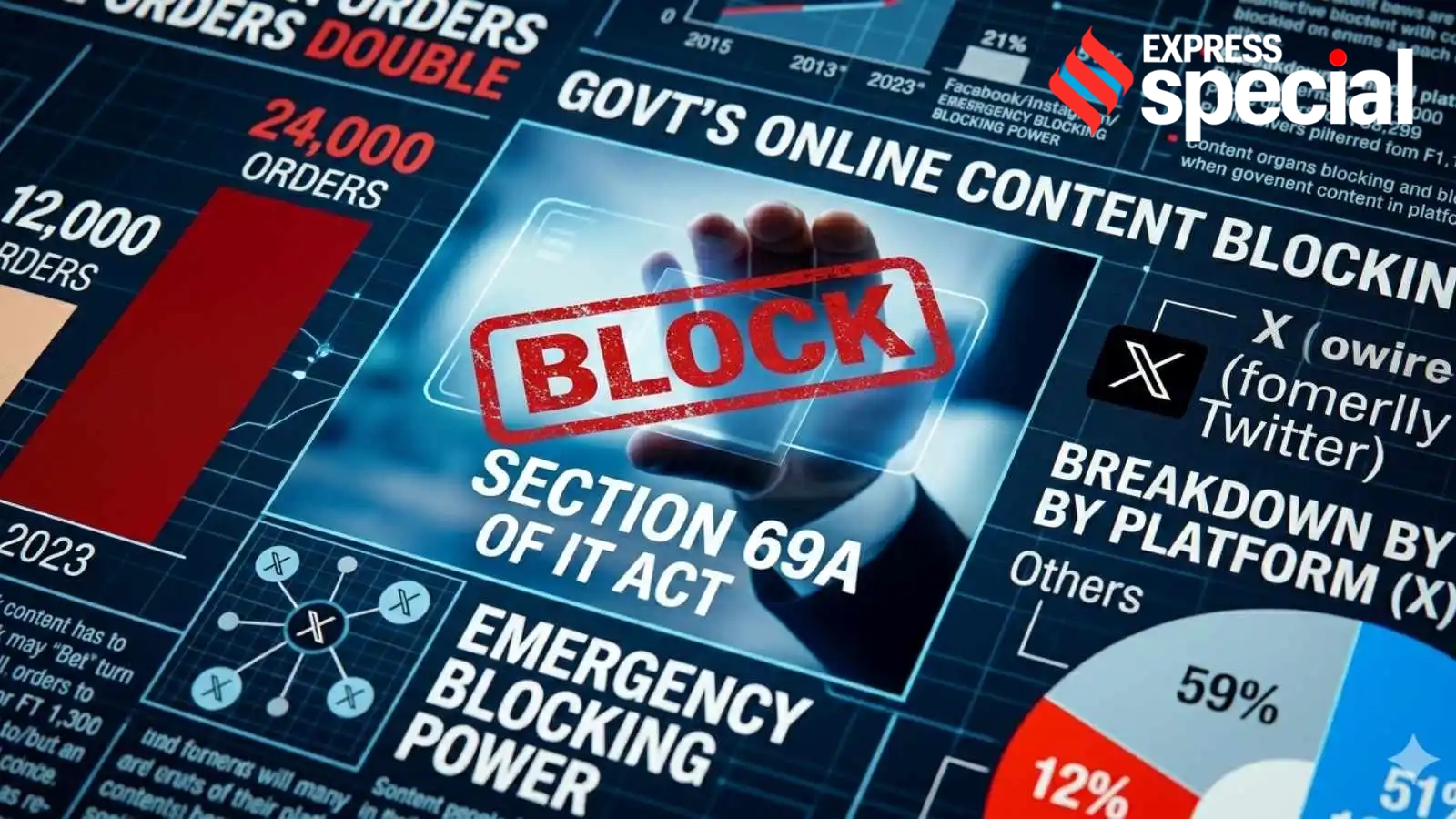
Between March and July of this year, Indian government agencies issued blocking orders to social media giants Instagram, Facebook, and YouTube at a rate of one every 68 seconds, totaling around 1,275 per day and nearly 1.95 lakh in just five months. This surge in orders coincided with student protests against exam leaks in Delhi's Jantar Mantar, which began in early June and concluded on July 25 following the resignation of then Union Education Minister Dharmendra Pradhan.
Comparatively, between October 2024 and October 2025, only 2,312 blocking orders were issued to 19 online platforms, averaging six per day. Instagram saw the highest share of these orders, receiving nearly half of the total, with Facebook and YouTube receiving around 80,000 and 15,000 orders, respectively.
To comply with the government's requirement to remove content within three hours of a blocking order, Meta integrated its API with the Sahyog portal, which allows content flagged through government directions to be automatically removed from its platforms without human review. This automated process has been criticized by digital rights activists, who argue that it converts a conditional legal duty into an unconditional compliance, as Meta has no knowledge of the order's source or reasons.
These blocking orders are issued under Section 79(3)(b) of the IT Act, which requires platforms to remove unlawful content to maintain their legal immunity from user-generated content. However, unlike the government's Section 69(A) order for online censorship, which is generally limited to offences related to national security and public order, Meta does not inform users which state authority sent the request for takedown in India, citing legal obligations and regulatory considerations.
Written by urgent.news from The Indian Express's reporting — not their text. Machine-written — may contain errors; check the original before relying on it.