Major change: What Pakistan’s new chipless ID card means for you
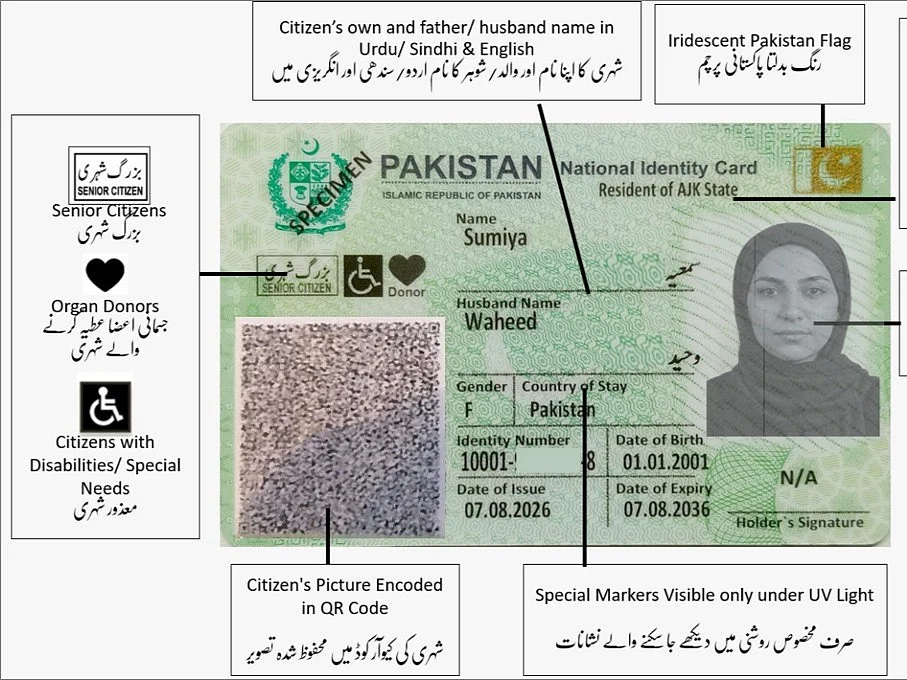
Pakistan has introduced a new chipless National Identity Card that replaces the previous microchip-based card with a secure QR code. The National Database and Registration Authority (NADRA) launched the card on August 14, aiming to make identity verification more practical and reduce reliance on imported technology. The QR code, containing the cardholder's information and photograph, can be scanned and verified using a smartphone camera and NADRA's Pak Identity mobile application or authorized software.
The shift to chipless cards is a step towards self-reliance and easier digital verification. Previously, the chip-based Smart National Identity Card did not deliver its full potential due to a lack of infrastructure to read the chip. The new QR-based system addresses this issue, allowing authorised institutions such as banks, telecom companies, hospitals, police stations, and Pakistan Railways to capture the identity information digitally during verification.
This should improve data entry consistency and reduce errors, as staff won't need to manually input names, addresses, and other details into computer systems.
For ordinary citizens, the most immediate change is that they won't need to rely on specialised chip readers for identity verification. This could be especially useful as Pakistan expands digital access to government, banking, telecom, and other services. Additionally, the QR code will display essential information in both Urdu and English, including family numbers and symbols for persons with disabilities, senior citizens, organ donors, and citizens of Pakistan-administered Jammu and Kashmir. The new cards will also feature enhanced security elements.
Existing cards will remain valid until their respective expiry dates. The QR-based cards are being introduced in phases, with the initial rollout beginning on August 14 and extending to all categories of national identity cards, including National Identity Card for Overseas Pakistanis (NICOP) and Juvenile Cards, by January 2027.
The Pakistan Origin Card (POC) will follow in the final phase. This transition reflects Pakistan's push for greater technological self-reliance, as the new card uses a QR code and is manufactured domestically by the National Security Printing Company (NSPC) in Karachi. The change is part of NADRA's broader vision of becoming a digital trust and verification platform, including initiatives like national digital identity, a PakID digital vault, verifiable credentials, QR-based document verification, and consent-based data sharing.
Written by urgent.news from Gulf News's reporting — not their text. Machine-written — may contain errors; check the original before relying on it.