Maintaining, not pouring
Building infrastructure is a game for giants. Keeping it running, especially the clean-energy grid, is where nimble start-ups now break in. As anyone who has driven over a pothole, struggled to get through airport security, seen trains delayed, or suffered a power outage will not hesitate to tell you, building and maintaining decent infrastructure is […] Maintaining, not pouring was originally…
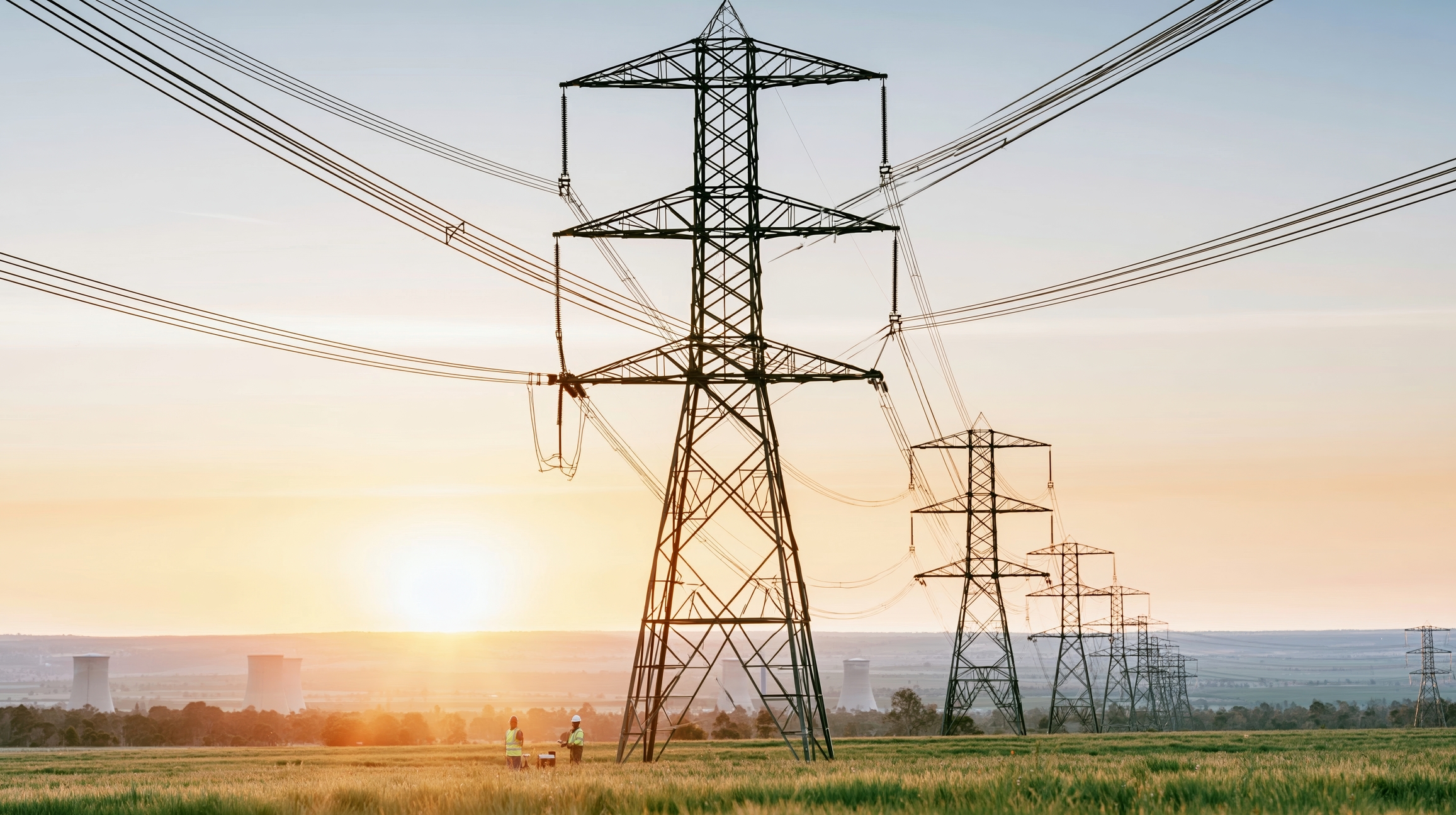
Infrastructure maintenance is the new frontier for startups, especially in the clean energy sector. As reported by Deloitte, 56% of construction and engineering businesses use data analytics, 50% employ construction management cloud software, and 47% leverage mobile apps. The global construction spending is projected to increase from $13 trillion in 2023 to $22 trillion in 2040, with a compound annual growth rate of 3.2%.
The term "infrastructure" now encompasses a support layer of specialized services, including maintenance, inspection, compliance, and remote monitoring.
The clean energy sector presents a unique opportunity for startups. Wind and solar capacity grew by about 20% annually between 2010 and 2023. However, this surge poses a challenge for network operators who must now manage power flowing in multiple directions, including from rooftop solar panels. Virtual power plants and vehicle-to-grid schemes are being piloted in various cities, allowing small solar setups and electric cars to contribute to the grid.
Predictive maintenance, which includes sensors and analytical models, has significantly reduced downtime and maintenance costs for utilities. The American and European electricity grids, built during the mid-20th century, are aging, and modernization is crucial to prevent substantial losses. Startups can capitalize on the opportunity to maintain and optimize existing infrastructure without the need to build new projects from scratch.
Despite high barriers to entry, the real cost of entry today often lies in patience, as clients like governments and utilities operate at a slower pace than fast-moving tech firms.
Written by urgent.news from Emerging Europe's reporting — not their text. Machine-written — may contain errors; check the original before relying on it.