LLMs Can't Jump and They Shouldn't Have To
If LLMs struggle with scientific abduction, the better model may be AI for synthesis and verification, with humans making the creative leap.
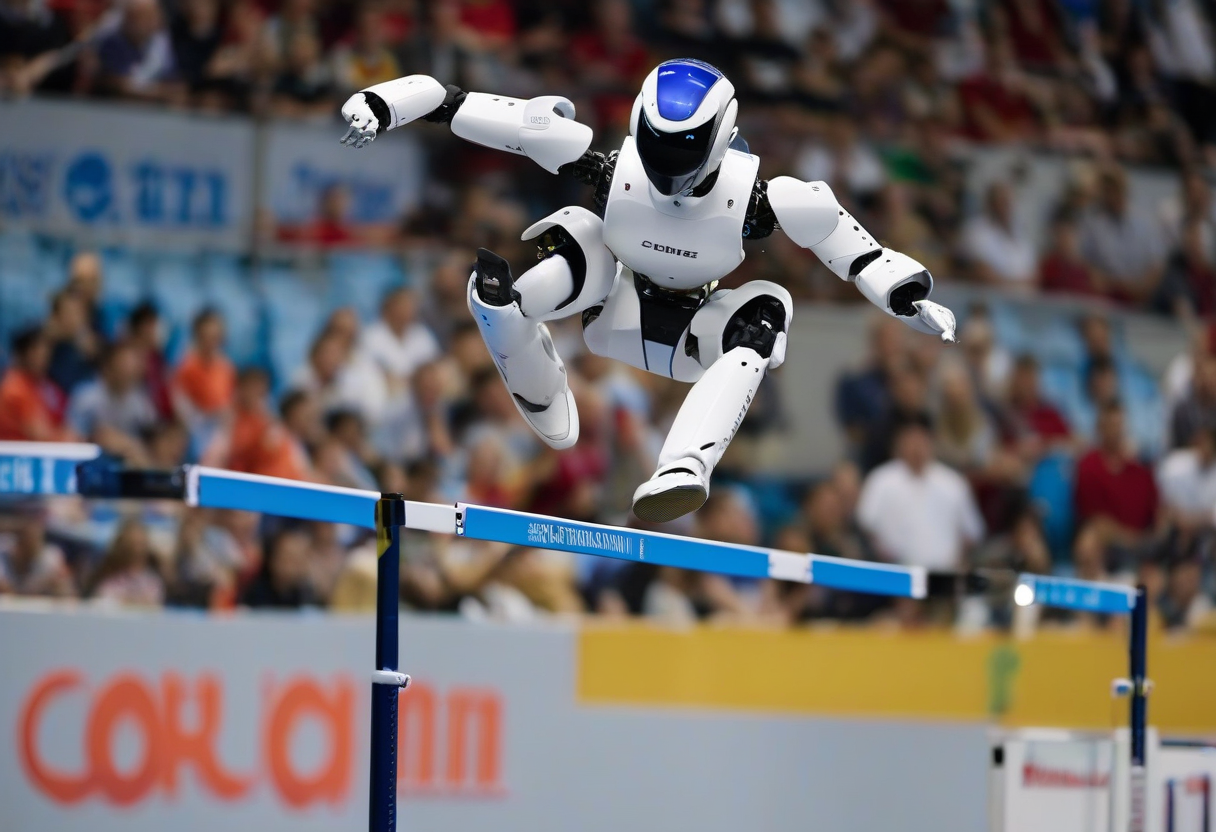
Tom Zahavy, a researcher at Google DeepMind, argues in a position paper titled "LLMs Can't Jump, and They Shouldn't Have To" that current AI models are limited in their ability to make groundbreaking scientific discoveries. Zahavy contends that models excel at pattern recognition (induction) and logical reasoning (deduction), but they struggle with creative leaps (abduction), which are crucial for formulating new ideas and hypotheses.
According to Zahavy, these leaps require an embodied experience of the physical world, which LLMs lack since they have no direct experience with the world. The paper suggests that while LLMs cannot generate new scientific breakthroughs, they can excel at connecting disparate fields and synthesizing information, making them valuable tools for researchers.
Zahavy points to the example of Albert Einstein, who drew upon his work in the Swiss Patent Office to develop special relativity. He argues that while a model cannot be an "embodied Einstein," it can still be a valuable tool for researchers by automating tedious tasks such as literature review, confirmation, and formalization of hypotheses.
Written by urgent.news from HackerNoon's reporting — not their text. Machine-written — may contain errors; check the original before relying on it.