Linux 7.2 debuts, Linus Torvalds says ‘new normal’ means he had to do it now ... or never?
Say hello to smarter use of caches to speed things up, and a very odd gaming controller. Say goodbye to some PCMCIA support
Linus Torvalds has announced the debut of version 7.2 of the Linux kernel, stating that it is part of a "new normal" for the kernel. This new normal refers to the increase in the volume of contributions using AI coding tools. Despite the "new normal," Torvalds felt the release needed to happen now or never, as delays would likely prevent any release at all.
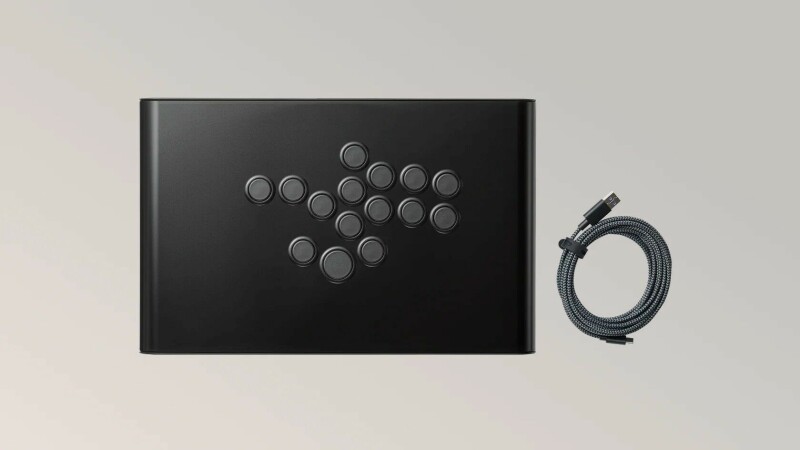
The kernel includes support for a gaming controller called the "Zenaim Leverless," which is popular among e-sports professionals. The release also introduces "Cache Aware Scheduling" that improves the kernel's performance on manycore chips. Additionally, it includes support for running Linux on Apple M3 devices, various graphics updates, and preparations for next-gen chips from AMD, Intel, and Nvidia.
Some deprecations include the ending of AppleTalk support and removal of old ISA and PCMCIA adapters used on ARCNet networks.
Written by urgent.news from The Register Science's reporting — not their text. Machine-written — may contain errors; check the original before relying on it.
This story
This is one outlet's version. Read the fullest account.