‘Jobs will be lost’: Thigo urges Kenyans to adapt to AI revolution
Thigo said Kenya’s greatest advantage in the AI era is its young, digitally connected population.
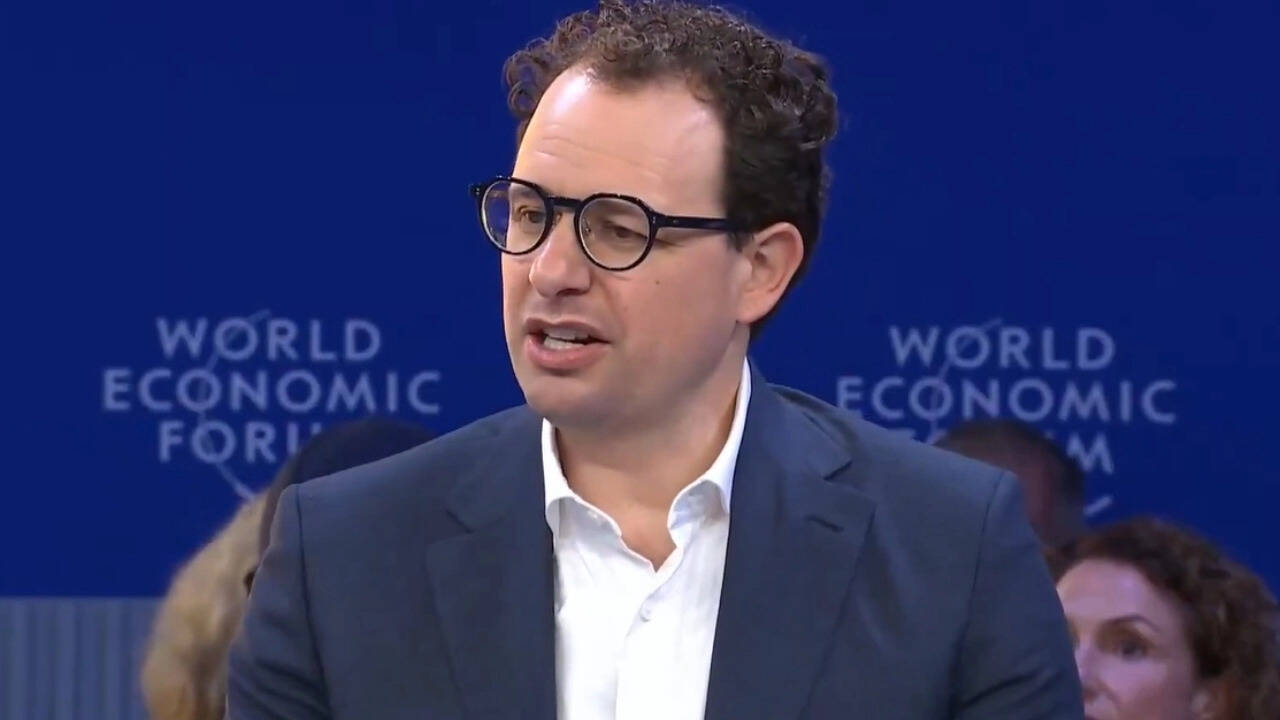
Kenyan Special Envoy on Technology Ambassador Philip Thigo has urged the country to invest in talent, digital infrastructure and skills in order to capitalize on economic opportunities presented by the AI revolution while preparing workers for job displacement. Thigo highlighted that Kenya's greatest advantage lies in its young, digitally connected population, but stressed that this talent must translate into products and services that generate economic value.
According to DataReportal's Digital 2026 Mid-Year Global Update, 97.5% of Kenyans aged 16 and above reported using at least one AI tool in the previous month, but Thigo cautioned against interpreting this as proof of Kenya having the largest number of AI users, noting that it reflects usage relative to population. He emphasized the need for expanding connectivity to expose more Kenyans to digital technologies and urged the strengthening of the ecosystem needed to transform adoption into economic gains.
To build a local AI ecosystem, Thigo called for greater investment across research, local capital, infrastructure, intellectual property, public procurement and access to markets, warning that over-reliance on external investments poses a risk. He encouraged Kenya to adopt a global outlook in developing digital businesses, enabling Kenyan talent to serve international markets without physical exports.
Thigo described this as a "glocal" mindset, where Kenyans think locally while targeting global markets. He noted that technology allows Kenyan innovators to work anywhere without needing to ship physical products. He cited examples of technology ventures like Pezesha and Twiga Foods that struggle due to a lack of support from the wider economy.
While acknowledging that some jobs will inevitably be lost due to automation, Thigo warned that the key question for workers is whether they can adapt quickly enough. He gave the example of journalism, suggesting that AI should be viewed as a tool to improve research, scripting and other newsroom tasks rather than simply replacing journalists.
Thigo also called for changes in education to prepare workers and young people for an AI-enabled economy, emphasizing the need for reskilling and upskilling for those already employed, as well as equipping teachers and learners to use AI within their professions. He also warned against excessive reliance on AI, questioning the extent to which Kenyans are using it for decision-making and thought, and cautioned against delegating thinking to machines.
Regarding risks associated with AI, Thigo highlighted loss of human agency, child safety, and exclusion. He urged the government to initiate a broader national conversation on child safety and technology, focusing on safe and productive use rather than banning emerging technologies. He warned that rapid technological change could deepen inequality if people are excluded from opportunities due to a lack of skills or access to digital tools.
Written by urgent.news from Capital FM Kenya's reporting — not their text. Machine-written — may contain errors; check the original before relying on it.