Japan’s economy loses some steam in the second quarter
Consumers are holding back as corporations retreat, giving the Bank of Japan some disappointing data to process.
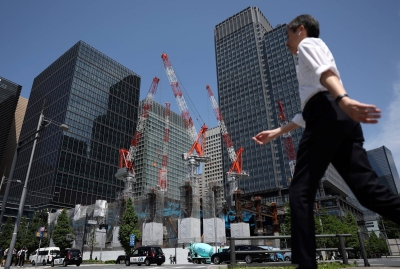
Japan's economy showed signs of slowing in the second quarter of 2021, falling short of analysts' expectations according to government data released on Monday. Real gross domestic product (GDP) growth was reported at 0.3% from the previous quarter, equating to an annualized rate of 1.1%. This was significantly lower than the consensus forecast of 2% annualized growth and marked a 0.8% decrease from the first quarter's growth rate of 1.9%.
The weaker-than-anticipated economic growth could potentially influence the rate outlook and the value of the yen. As the figure may sway the Bank of Japan's assessment of the economy's strength, the currency remained relatively stable against the dollar, trading at approximately ¥159.
While some experts viewed the GDP data positively, noting that Japan's economy had grown for three consecutive quarters, others were less optimistic. Yoshiki Shinke, a senior executive economist at Dai-ichi Life Research Institute, pointed out that higher import prices and supply constraints, exacerbated by the ongoing Iran situation, had initially raised concerns about a potential dip into negative growth. However, maintaining positive growth in the April-June quarter, he stated, was encouraging.
Private consumption, which constitutes more than half of Japan's GDP, remained unchanged and slightly contracted at an annualized rate of 0.1%. The decline was largely attributed to increased tobacco prices. Several analysts remained optimistic about private consumption, anticipating a 0.5% increase in real wages over the past six months. The market had projected a 0.5% rise.
Real capital expenditure, however, fell 1.2% from the prior quarter, compared to a market forecast for a 0.4% increase. This marks the second consecutive quarterly decline. Exports grew by 0.5%, while imports decreased by 1.5%, partly due to a drop in oil shipments, which had a minor positive impact on GDP due to a statistical quirk.
Opinions on the July-September quarter are divided. Shinke anticipates continued economic expansion, expressing confidence that risks related to supply constraints, which were significant concerns in the spring, have significantly diminished. Japan has tapped into oil reserves and diversified supply sources to reduce its dependence on Middle Eastern oil.
The economist believes that the downward pressure on private consumption is unlikely to intensify rapidly, as wages are on the rise and the government provides subsidies for utility costs.
However, other analysts caution that the ramifications of the Iran conflict could worsen in the July-September quarter, potentially leading to an economic contraction.
Written by urgent.news from Japan Times's reporting — not their text. Machine-written — may contain errors; check the original before relying on it.