Japanese economy ekes out modest growth
TOKYO: The Japanese economy eked out modest growth in the second quarter despite the impact of the Iran war, official data showed Monday, but the reading fell short of market expectations.
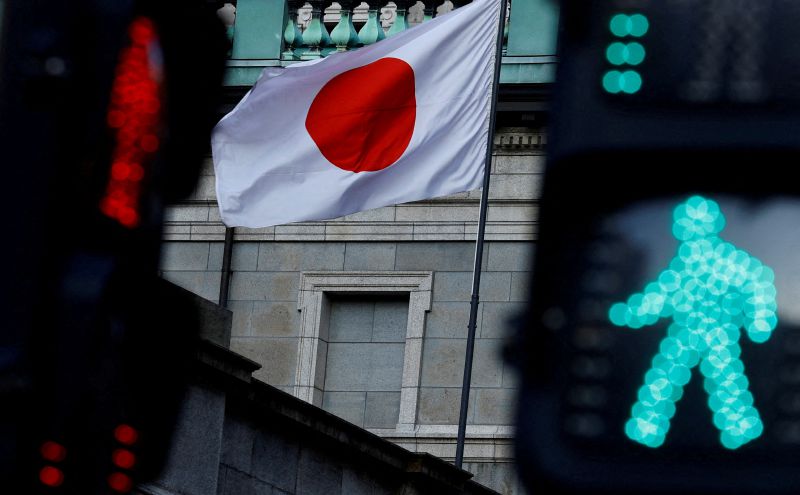
Tokyo, Japan experienced a slight increase in economic growth during the second quarter, as indicated by official data released on Monday. However, this growth was below market expectations. Higher oil prices have increased Japan's import bill and led to higher consumer prices, a situation exacerbated by a weak yen and declining Prime Minister Sanae Takaichi's popularity.
The country's Gross Domestic Product (GDP) grew by 0.3 percent between April and June, according to seasonally adjusted preliminary data from the Japanese Cabinet Office. Economists had anticipated stronger growth of 0.5 percent, based on a Bloomberg News survey, following an identical increase in the first quarter. On an annualized basis, GDP expanded by 1.1 percent, falling short of market expectations of 2.0 percent and trailing a revised 1.9 percent growth in the previous three months.
The Bank of Japan (BoJ) was anticipated to raise interest rates soon due to accelerating inflation in the world's fourth-largest economy. The rate hike could also strengthen the yen. However, the yen has weakened since the United States and Japan jointly intervened in the market to support the Japanese currency. The currency briefly recovered to nearly 164 per dollar following the intervention, but it has since dropped and was trading around 159.11 against the US dollar as of Monday.
The weak yen benefits large Japanese exporters like Toyota, which raised its profit forecasts on August 4. Nevertheless, many imports are priced in US dollars, including oil, which means Japan must spend more yen for each barrel. The weaker-than-expected GDP growth came after a decline in capital expenditure, which missed market expectations, while private consumption remained flat compared to forecasts.
Prime Minister Takaichi, who succeeded two predecessors undone by inflation concerns, has expanded government support for voters. This included a massive stimulus package enacted in late 2025 and energy tax rebates, as well as a further aid approval earlier in the year. The government also announced in late July that it would reduce the consumption tax on food products, cutting it from 8 percent to 1 percent starting in April.
The GDP figures were worse than expected, with weak consumption and capital investment contributing to the decline. Taro Saito, an economist at the NLI Research Institute, told AFP that the growth was not driven by a robust economy but rather by a reduction in imports due to difficulties in transiting oil through the Strait of Hormuz.
Written by urgent.news from New Straits Times's reporting — not their text. Machine-written — may contain errors; check the original before relying on it.
Also reported by 1 other outlet
- Japanese economy ekes out modest growth thejakartapost.com