Japan aims to create support agency for ex-SDF personnel as early as fiscal ’27
The initiative, spearheaded by Defense Minister Shinjiro Koizumi, would serve as a one-stop consultation center in overseeing veterans' transitions to civilian life.
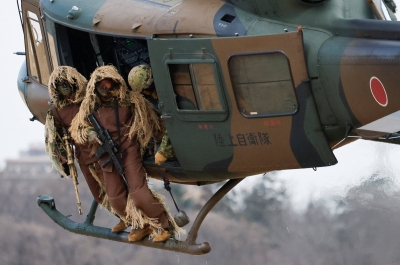
Japan is contemplating the creation of a specialized agency to aid retired Self-Defense Forces (SDF) personnel and their families, potentially by fiscal 2027, as proposed by Defense Minister Shinjiro Koizumi. Koizumi initiated an internal review of the matter in June, directing officials to explore methods to enhance existing support and establish a centralized command center.
The Defense Ministry is expected to include related costs in its fiscal 2027 budget proposal, anticipated near the end of the current month. Potential areas for growth encompass enhancing the social standing of veteran families, reassessing post-retirement benefits, aiding wounded personnel, and facilitating their reintegration into society.
Current support for ex-SDF personnel is fragmented across various ministry departments, lacking a unified entity to coordinate policy and serve as a single point of contact for retirees and their families. The proposed agency, initially referred to as the "retired SDF personnel and family support agency," would consolidate these functions.
As an agency, it could be led by a commissioner, potentially enhancing its capacity to coordinate with other government bodies and securing funding more consistently. This initiative aligns with Koizumi's broader efforts to elevate the treatment of SDF recruits during and post-service. By providing more consistent support after retirement, the Ministry aims to make a career in uniform more appealing as it faces challenges in recruiting and retaining personnel.
Given Japan's demographic crisis, projections suggest the SDF could decrease by 10% to 15% over the next decade. Despite this, Koizumi reported in June that the SDF had recruited over 11,000 personnel in fiscal 2025, a 14.9% increase from the prior year. The ministry is examining international models, particularly those from the United States, Australia, and South Korea, which each have dedicated institutions assisting veterans with healthcare, employment, housing, and other essential needs.
Written by urgent.news from Japan Times's reporting — not their text. Machine-written — may contain errors; check the original before relying on it.