Israel’s PTSD crisis deepens as war trauma spreads
Diagnoses are up 70% since Oct. 7, with Clalit experts warning the true mental health toll may be far higher and could worsen after the fighting ends
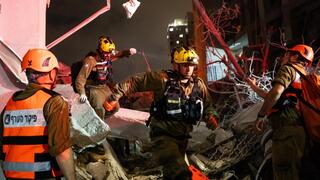
Israel is grappling with a deepening mental health crisis two years after the Hamas-led Oct. 7, 2023 attack. Post-traumatic stress disorder (PTSD) diagnoses have surged, with health care providers warning the psychological toll could persist even after the fighting ends. Five Israeli soldiers have reportedly died by suicide this month alone, bringing the total since the start of the year to 19, a rate higher than any point in the past 15 years.
Additionally, the death of Bar Asraf, 30, who died beside the grave of Liron Barda, the girlfriend murdered at the Nova music festival during the Oct. 7 massacre, highlights the tragedy's broader impact.
Data from Clalit Health Services, Israel's largest healthcare provider, shows a 70% rise in PTSD diagnoses in the wake of Oct. 7, with the underlying rate now three to four times its 2018 level. This trend continues unabated, with figures from the other two health care providers suggesting about 60,000 PTSD cases can be attributed to the conflict. PTSD, characterized by intrusive thoughts, flashbacks, severe anxiety, and emotional numbness, can severely disrupt daily life.
Prof. Amir Krivoy, director of Clalit's Geha Mental Health Center, noted that the high and rising PTSD rates are likely due to the ongoing conflict, with repeated bursts of acute stress activity. He warned that the PTSD figures likely represent only part of Israel's overall mental health burden, suggesting a need for mental health services beyond the current supply.
Clalit's figures do not include active-duty military personnel, whose cases are handled separately. A 2018 study found that about 12% of those exposed to combat reported severe PTSD symptoms.
Israel's mental health system has had to adapt to the increased demand, with psychiatrists and trained psychologists recruited to staff mental health hotlines and provide basic counseling. "Resilience coaches," recent graduates with relevant degrees, are also being used to provide targeted support. Concerns over self-medication, including the use of alcohol, drugs, and medical cannabis, have also arisen as some individuals may not receive adequate treatment.
Written by urgent.news from Ynetnews Culture's reporting — not their text. Machine-written — may contain errors; check the original before relying on it.