Iran’s Secret Plan to Escalate the War
Intercepted communications and other intelligence suggest a strategic shift by hard-line leaders to raise the costs for the U.S. and its regional allies.

After President Trump signed a memorandum of understanding with Iran in mid-June, administration officials hoped to reopen the Strait of Hormuz and gradually reduce the ongoing war. However, Iran's hard-line leaders in Tehran had a different plan, according to Iranian and Arab officials. They believed the agreement was merely an attempt by the U.S. and Israel to ease economic pressures and buy time for a larger attack. Instead of relying on talks, Iran focused on preparing for a more extensive fight.
Key steps in Iran's preparations involved granting the Islamic Revolutionary Guard Corps greater control over the national army, appointing seasoned veterans of war with Iraq and internal crackdowns to key positions, boosting domestic counterintelligence efforts, and increasing missile and drone production. The leadership swiftly seized the initiative, attacking ships to solidify Iran's control over the Hormuz Strait and expanding the battlefield to the Red Sea, which Saudi Arabia utilizes to bypass Iran's control over the Persian Gulf.
Arab intelligence sources have uncovered evidence, such as communications between Iran and militant allies in countries like Yemen and Iraq, indicating a strategic shift within Iran's hard-line leadership to prepare their forces for a wider war. This shift includes discussions of offensive operations on enemy territory, such as the Bab al-Mandeb Strait, which links the Red Sea to global markets.
Iranian leaders are increasingly contemplating aggressive actions to inflict significant damage, aiming to prevent a repetition of the 12-day war last year and the ongoing conflict.
Iranian defense analysts argue that Iran views the current phase of the war as merely the beginning, employing "salami-slicing" tactics – limited, incremental escalations designed to weaken adversaries before a larger confrontation. This perspective creates a significant disconnect between Iran and the United States, leading to Iran's hard-line negotiating stance and reluctance to finalize deals, which has proven challenging for President Trump, who has questioned Iran's motives and accused them of lying.
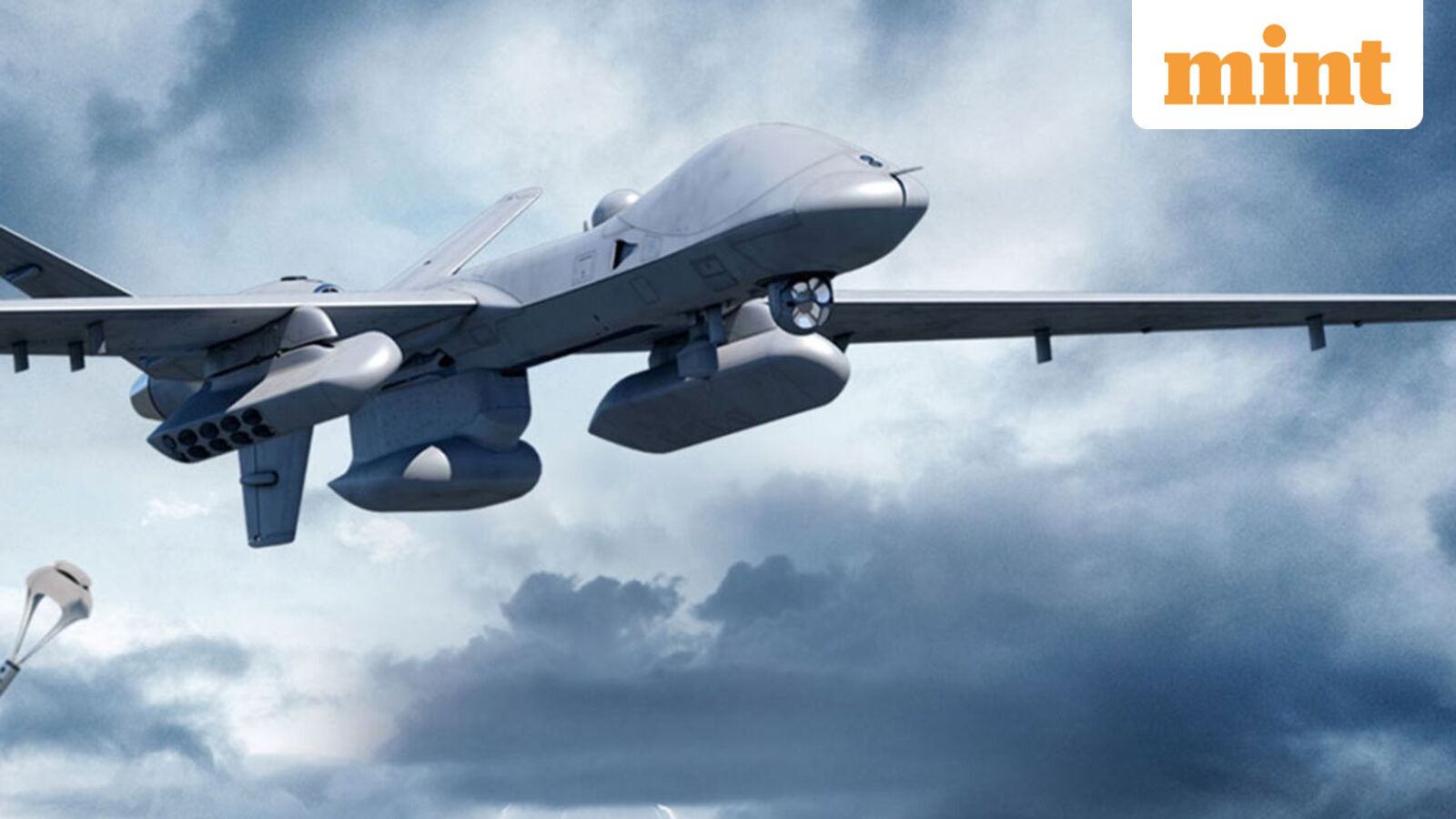
Despite the Iranian military's weakened state following U.S. and Israeli airstrikes, Iran has successfully rebuilt its infrastructure and reopened missile bases more quickly than anticipated. Additionally, Iran has targeted U.S. bases and possesses enough firepower to threaten ships and Gulf energy infrastructure. Arab officials are bracing for continued conflict and extended disruption of energy supplies.
For Iran's regime, war remains the default stance, with President Masoud Pezeshkian warning that Iran must secure a deal to end the conflict and eliminate sanctions to avoid economic collapse. However, Iran has been actively preparing for a potential escalation, deploying advisers to militias in Iraq, Yemen, and Lebanon to plan for increased confrontations.
The Revolutionary Guard has also supplied missile, naval weapons, and drone launchers to strategic locations and provided intelligence and target lists to Yemeni militants. These actions have contributed to an escalation in hostilities, with the Houthis closing the Bab al-Mandeb Strait to Saudi Arabian shipping and launching attacks on Saudi oil facilities.
Written by urgent.news from Hindustan Times - World News's reporting — not their text. Machine-written — may contain errors; check the original before relying on it.