Iranian general offers $30,000 bounty for killing U.S. troops
Amir Hatami, chief of staff of Iran's ground forces, announced a $30,000 bounty for killing or capturing U.S. service members, Fox News reported on Aug. 16, citing Iranian state-aligned media.
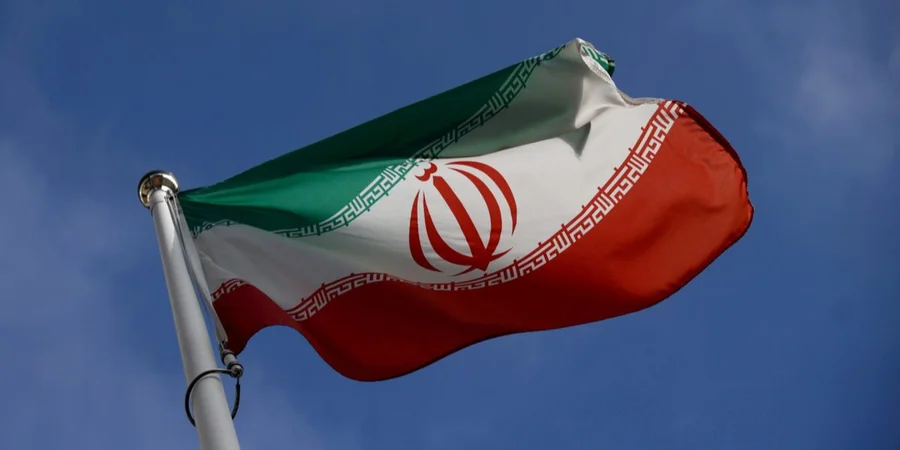
Amir Hatami, the chief of staff for Iran's ground forces, announced a $30,000 bounty for anyone who kills or captures U.S. service members, according to Fox News on August 16. This offer was reportedly made at the request of Iranian officials. The general stated that the reward would be doubled for women. Additionally, Hatami said that any weapon used to kill an American service member would be purchased back from its owner at twice its value and displayed in a proposed museum.
Fox News reached out to the White House and U.S. Central Command for comment, but there was no indication of U.S. ground troops in Iran, with the exception of a rescue mission in April to recover a downed American pilot. In late July, after about two weeks of continuous strikes, President Donald Trump ordered the suspension of U.S. bombings in Iran. Tehran maintained control of the Strait of Hormuz and refused to negotiate peace talks with the United States.
On July 29, The Wall Street Journal, based on anonymous sources, reported that U.S. Central Command's chief, Adm. Brad Cooper, had prepared plans for a large-scale air campaign against Iran lasting between 10 to 14 days. On August 1, the U.S. State Department advised American citizens in the Middle East to consider leaving or prepare for an imminent departure if tensions escalate.
On August 6, Trump acknowledged during a request for additional weapons procurement funding that the U.S. has experienced shortages of certain types of munitions following months of conflict with Iran.
On August 12, Mohsen Rezaei, the secretary of Iran's Supreme National Security Council, stated that the Strait of Hormuz would remain closed until Iran receives assurances from the U.S. regarding the end of the war.
Written by urgent.news from New Voice of Ukraine's reporting — not their text. Machine-written — may contain errors; check the original before relying on it.