Inside the increasingly branded world of RushTok
Brands like Nike and Poppi are turning RushTok into a marketing machine with sponsored dances, free products, celebrity visits, and elaborate activations.
On August 4, a Nike customization trailer arrived at Gamma Phi Beta house at the University of Alabama, offering sorority members the chance to personalize their Nike merchandise with sorority details. Inside the trailer, 150 women perused sneakers, fleeces, and other items, while three videographers captured their reactions. The outcome was instant viral fame, with clips of the personalized Nike outfits trending online, even reaching the For You Page of this reporter.
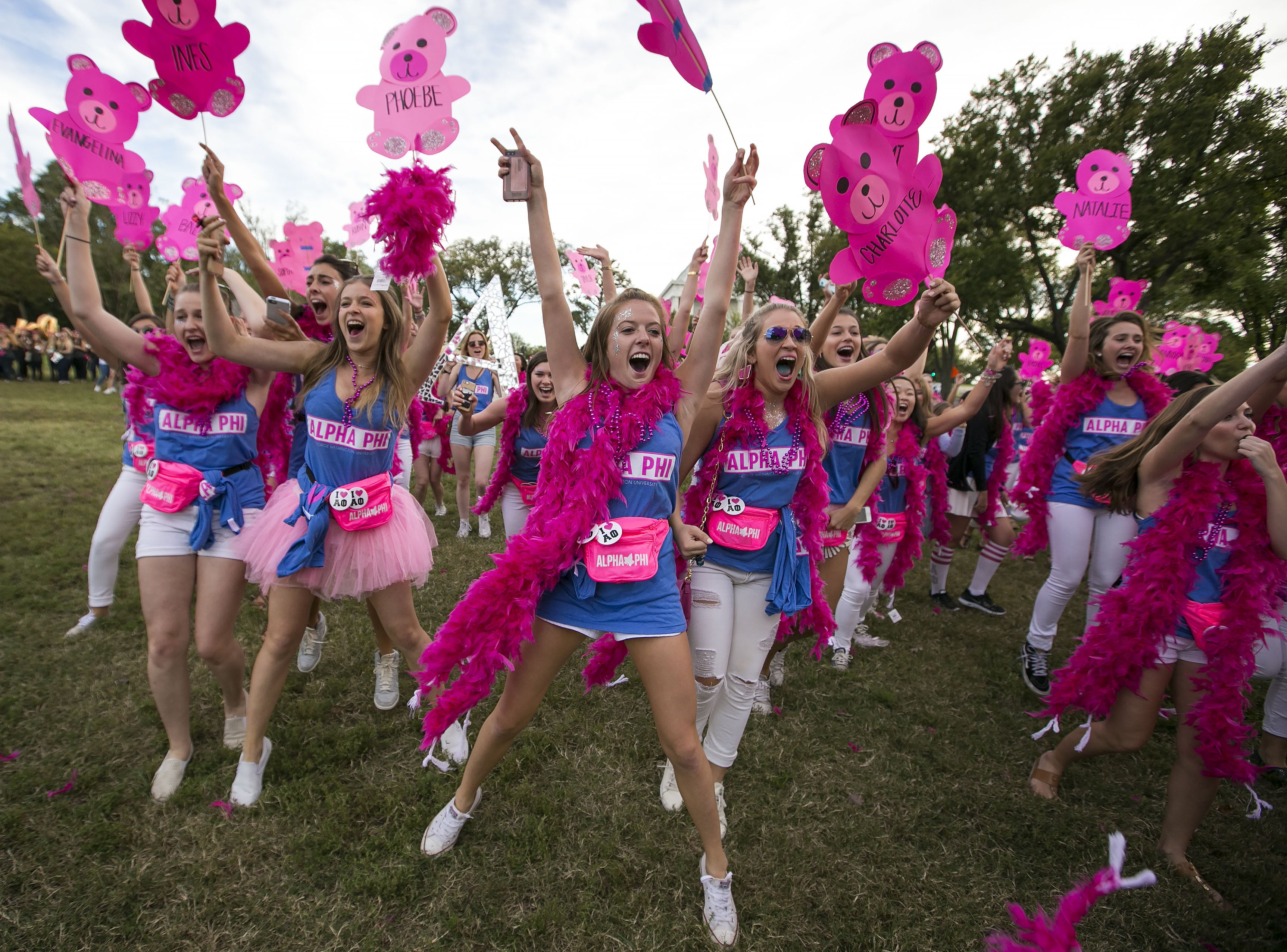
This is just one example of the growing trend of brands capitalizing on so-called "RushTok," the heightened recruitment period for sororities on college campuses. In 2026, these partnerships between brands and sororities are more intertwined than ever before. Brands gain visibility among young consumers and the digitally connected, while sorority members receive free products and experiences, and chapters benefit from the prestige of partnering with major corporate sponsors.
The heightened profile can help chapters compete for attention during recruitment, which is particularly competitive at universities like the University of Alabama, which claims to be hosting the largest Panhellenic recruitment in the country. With over 2,500 women registered in 2026 to consider 19 chapters, potential new members are eager to impress sororities while the chapters promote themselves as the ideal choice.
The viral nature of RushTok recruitment has become a staple of college life since it went mainstream in 2021. Videos showcasing recruitment dances, outfit breakdowns, and Bid Day reveals captured the attention of viewers across the nation, turning the traditional process into a reality TV spectacle. The commercial value of this attention quickly became apparent, as Tuscaloosa retailer Pants Store saw its online and local sales surge by more than 200 percent after being featured in early 2021 recruitment videos.
Brands are no longer relying on chance exposure to gain from RushTok. In 2022, beauty company Tarte sent mascara and lip balm to 30,000 prospective members at eight universities, leading to a staggering 1,300 percent increase in sales through their student-discount program. Hair coloring company Hally Hair brought a branded bus to the University of Alabama for recruitment, resulting in 500,000 impressions and a 200 percent increase in applications to their ambassador program.
The 2024 Bubble Skincare ambassador program partnered with 25 chapters across 15 universities, distributing over 5,000 products to 10 Alabama sororities alone. Meanwhile, influencer Kylan Darnell, who gained fame after posting an outfit video during Alabama recruitment in 2022, amassed 1.3 million TikTok followers and built a six-figure influencer career.
Even women who don't achieve celebrity status from RushTok can benefit from the exposure. Blythe Beardsley, a member of Kappa Kappa Gamma at the University of Arizona, saw her TikTok views surge to over 45 million after a viral dance video, leading to offers from fashion companies and a trip to New York Fashion Week. These success stories show that the women appearing in RushTok videos could potentially become the influencers that brands pay for in the future, making these partnerships more valuable than ever before.
Written by urgent.news from Mashable's reporting — not their text. Machine-written — may contain errors; check the original before relying on it.