Indiana school district referendum guide 2026: What to know about your district’s requested tax increase
This article was co-reported with WFYI. A record number of school districts are asking voters to approve higher property tax rates this fall as recent tax reforms compound with the state’s existing property tax caps to bring financial…
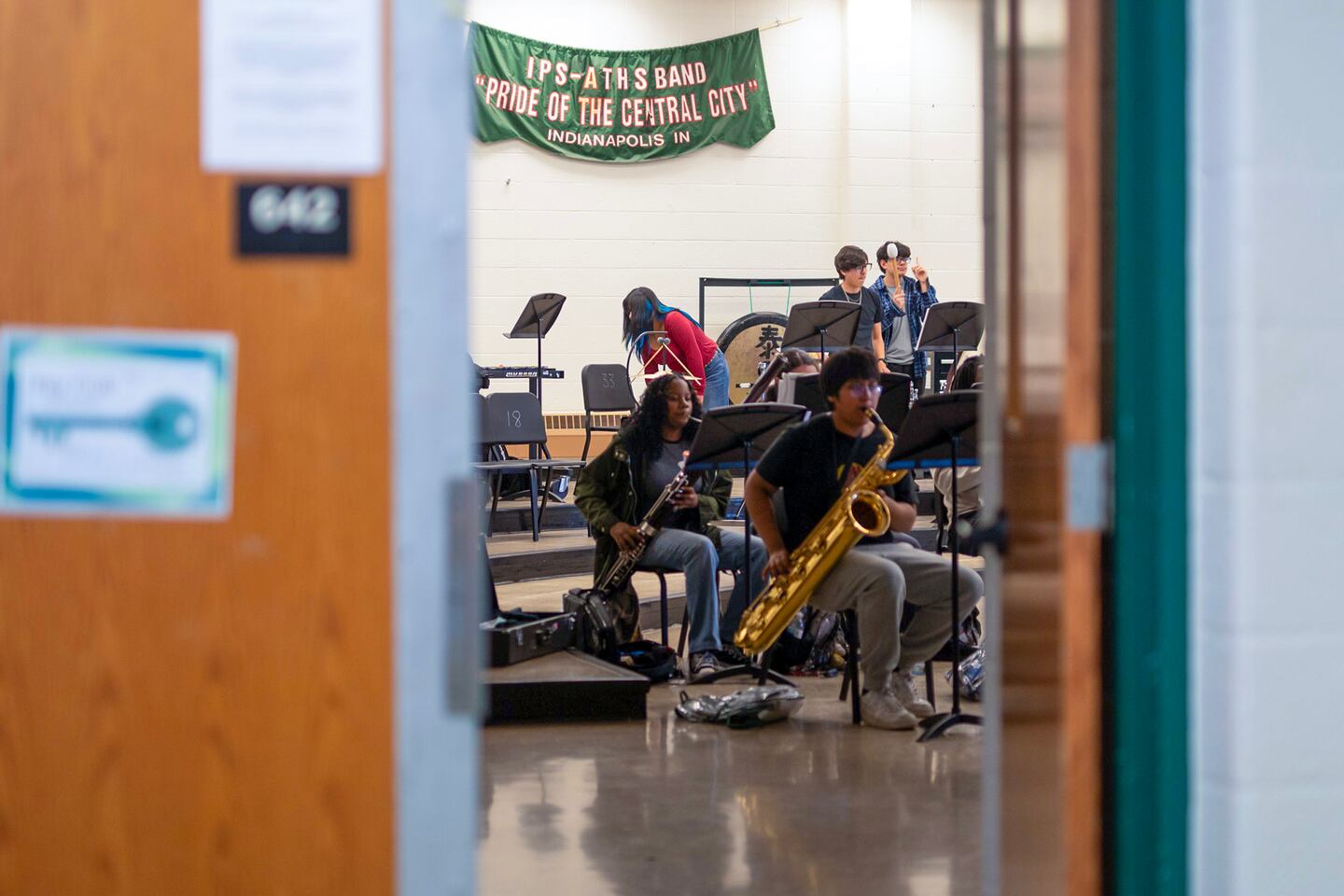
Indiana school districts are facing financial challenges due to recent tax reforms and the state's property tax caps, leading to a record number of districts requesting referendums to approve higher property tax rates. These 38 districts aim to cover operating expenses like transportation and teacher salaries, but the impact on taxpayers varies depending on a community's assessed property values and whether the district already has a referendum in place.
Senate Enrolled Act 1 from 2025 will provide property tax relief by introducing new deductions and credits, but districts still anticipate revenue losses. Factors such as rising operational costs, declining enrollment, and increased competition from private school vouchers complicate the situation. Districts are now prohibited from requesting referendums more frequently than the November general election.
Chalkbeat Indiana and WFYI have compiled a guide to help voters understand the ballot questions. If voters in your district have recently approved a referendum, the new question is likely to replace it with a higher tax rate instead of adding it to the existing one. For instance, in Westfield, where the existing rate is $0.17 per $100, the new referendum only proposes a $0.3941 rate per $100. Consequently, a $450,000 home would only see an estimated increase of $494 annually.
Five districts are introducing property tax increases for the first time: Metropolitan School District of Shakamak, Mississinewa Community School Corporation, Shelbyville Central Schools, Tipton Community School Corporation, and Tri-Central Community Schools. Starting in 2028, all districts must share their operating referendum proceeds with charter schools enrolling students within their borders.
Of the districts requesting revenue for charter schools, Marion and Lake counties are the only ones planning to share their potential $49 million revenue with about 60 eligible charters. Tax rates requested range from an additional $0.9912 per $100 for River Forest Community School Corporation to $0.09 for Clark-Pleasant Community School Corporation.
Written by urgent.news from Chalkbeat's reporting — not their text. Machine-written — may contain errors; check the original before relying on it.