Indian rap is seeing more women step behind the mic
In the past decade, Indian rap has grown from being a niche space to today’s trending beat. But while movies like Gully Boys and songs by Badshah and Raftaar made rap more mainstream, the real surprise is in the young women from across the country embracing rap as their own. Indian women in rap is not a new phenomenon — Raja Kumari, who created songs like City Slums and the Jawan title track,…
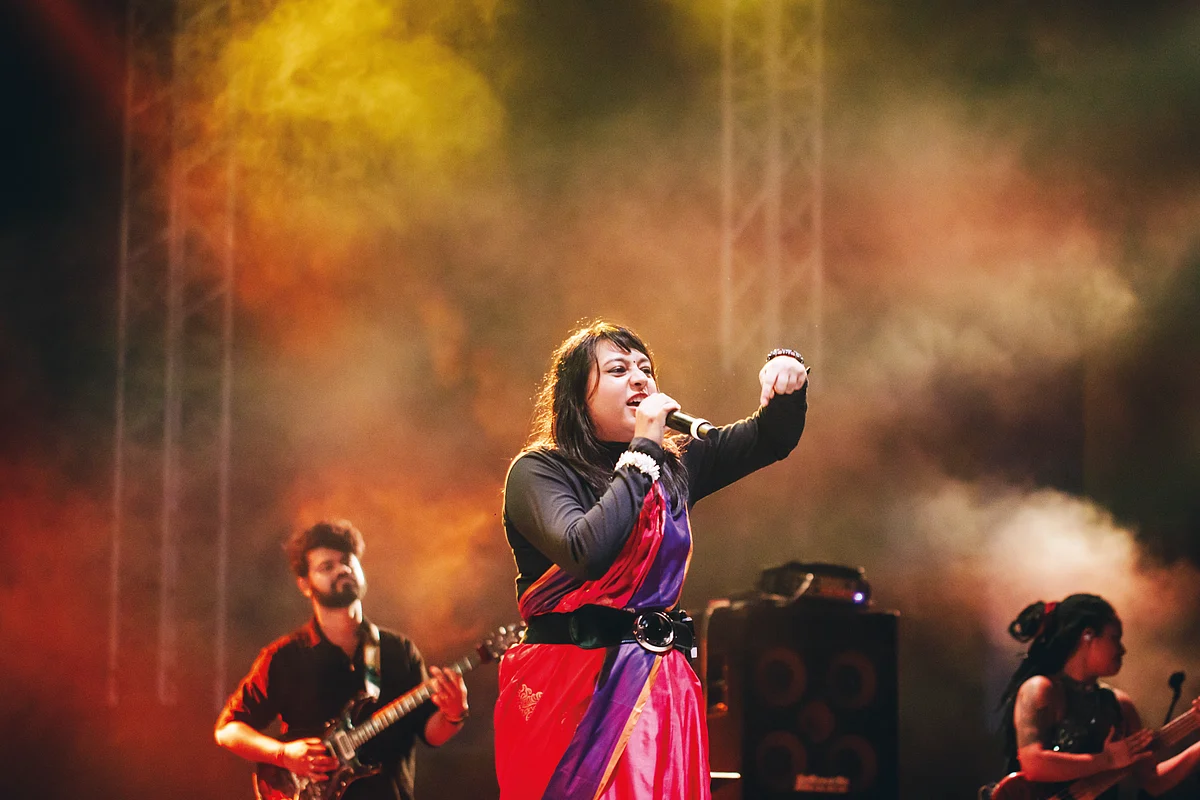
Over the past decade, Indian rap has transitioned from a niche genre to a trending one. While mainstream rap artists like Badshah and Raftaar helped raise its profile, a significant development is the rise of young women taking up rap as their own. Notable examples include Raja Kumari, whose hit songs include City Slums and the Jawan title track, as well as contemporary women like Daiaphi Lamare (Reble) and Meba Ofilia.
Today, numerous young women are independently creating tracks, leveraging social media to build their networks and audiences.
Rapper Irfana Hameed, whose remix of A.R. Rahman's Kuchi Kuchi Rakkamma is climbing the charts, attributes the increase to the universal appeal of hip hop as the voice of the people. She notes that, in India, the growth of hip hop is a natural cultural evolution, especially among the younger generation. The trend is evident as more women are breaking barriers, with some performing in their native languages and tackling complex social issues.
For instance, Param, a 19-year-old rapper from Punjab, performs Punjabi and shoots her music videos in her village. Meanwhile, Daiaphi Lamare's latest single Praying Mantis was filmed in Shillong, and Saniya MQ, known as the girl in the hijab who raps, often creates videos featuring her slum surroundings. Many of these young artists are subverting stereotypes, delivering powerful social commentaries.
Social media has been instrumental in unifying these women, providing a platform for emerging artists who were previously unseen. Devanshi!, an 18-year-old Marathi rapper, released her debut album Tarana Trap in May and credits the supportive community for her success. Veteran artists like Aklesh Sutar encourage upcoming rappers, and Hiremath's Wild Wild Women collective and Sound of Women project aim to build a network of female artists and promote their work globally.
Despite the progress, challenges remain, such as unequal pay for men and women despite equal effort. Nevertheless, India's female rappers are making their mark, tackling a range of issues from patriarchy to climate change with courage and resilience.
Written by urgent.news from Gulf News's reporting — not their text. Machine-written — may contain errors; check the original before relying on it.