I'm time-crunched – how much training is enough when I'm fitting it around work and family?
Our resident cycling coach answers your questions
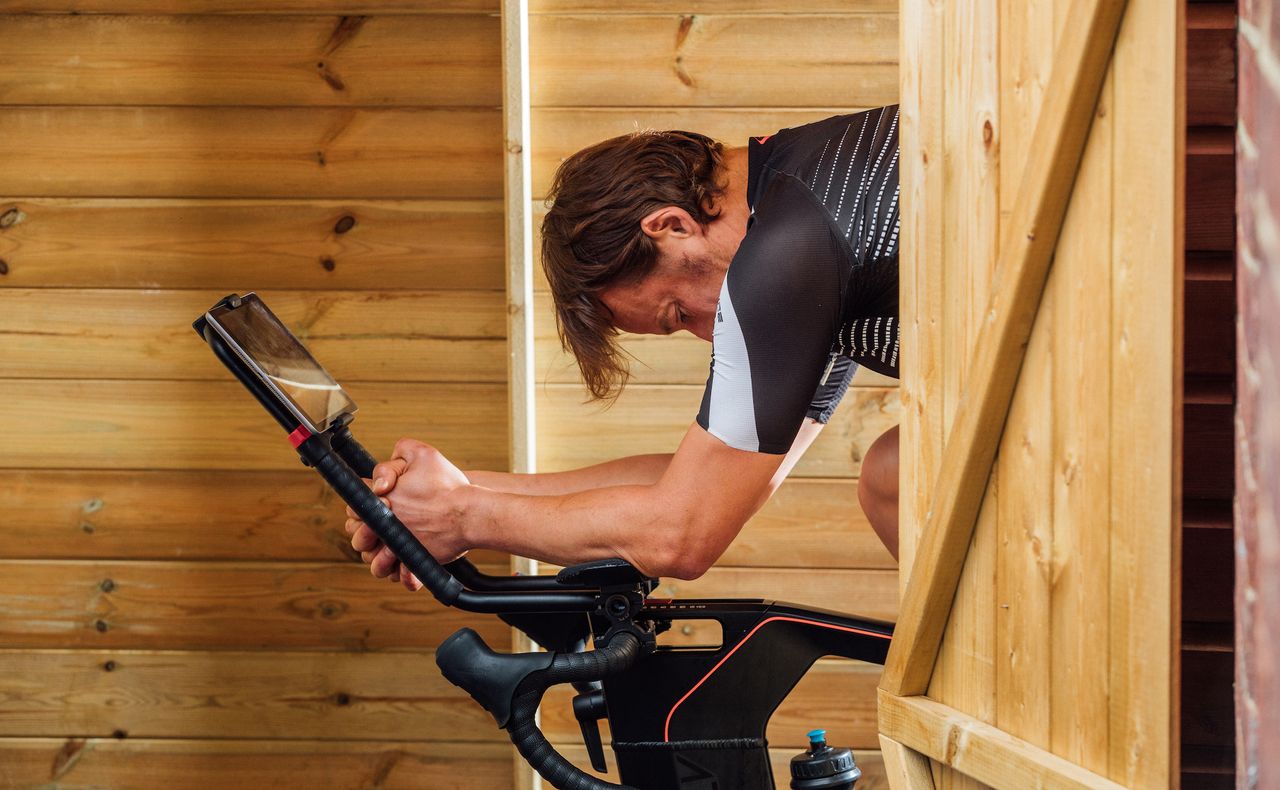
The question of how much training is enough when fitting it around work and family is a common one faced by amateur and professional athletes alike. The key to improving fitness lies in generating stress through increasing volume or intensity during rides, which can be tracked using measures like Training Stress Score (TSS) or 'Relative Effort' on Strava.
However, adequate rest is crucial for the body to adapt to training stress and generate improvements in fitness over time. Without proper rest, athletes risk issues like dysfunctional overreaching and overtraining syndrome, which can take months to recover from.
Amateur athletes should consider the total stresses they face, such as higher training load, caring for young children, demanding jobs, poor sleep, or inadequate fueling for sessions and recovery. To gauge the sum of all stresses and availability for training and rest, coaches often ask new athletes about the time they realistically have to dedicate to training.
This information helps determine the intensity distribution, which follows the 80/20 rule: 80% of training time should be spent at low intensities, while 20% should be at higher intensities. Professionals, with more time to train, may follow a slightly different ratio (90/10), but those with less time may benefit from more time at higher intensities to generate greater training stress in a shorter amount of time.
For example, a UCI Continental rider training 18-24 hours a week with an intensity split of 81/19 in favor of lower intensity sessions, and a medical shift worker expecting a baby training 6-8 hours per week with an intensity split of 66/34 in favor of lower intensity sessions. A general rule of thumb for coached riders is to include between two to three sessions with higher-intensity efforts (above 8/10 on the RPE scale or 80% of threshold) per week, ensuring none of these sessions fall on consecutive days.
The rest of the time should be dedicated to longer-duration endurance rides, around 6 or 7/10 in effort, or 60-70% of threshold power, lasting at least 2 hours. Mix in at least one longer ride a week, ideally 2 hours long, to generate more aerobic fitness elements that help produce more power over longer durations or find longer rides easier.
Written by urgent.news from Cycling Weekly's reporting — not their text. Machine-written — may contain errors; check the original before relying on it.