Hong Kong firm bets on Chinese open-weight models to rival CoreWeave
The rise of Chinese open-weight models has shaken up the global artificial intelligence (AI) market in recent months. With China’s systems offering high performance at a lower cost, businesses around the world are looking at shifting away from Silicon Valley’s leading providers. Now, a new Hong Kong-based company aims to turn that trend into a billion-dollar business. The “neo-cloud” provider…
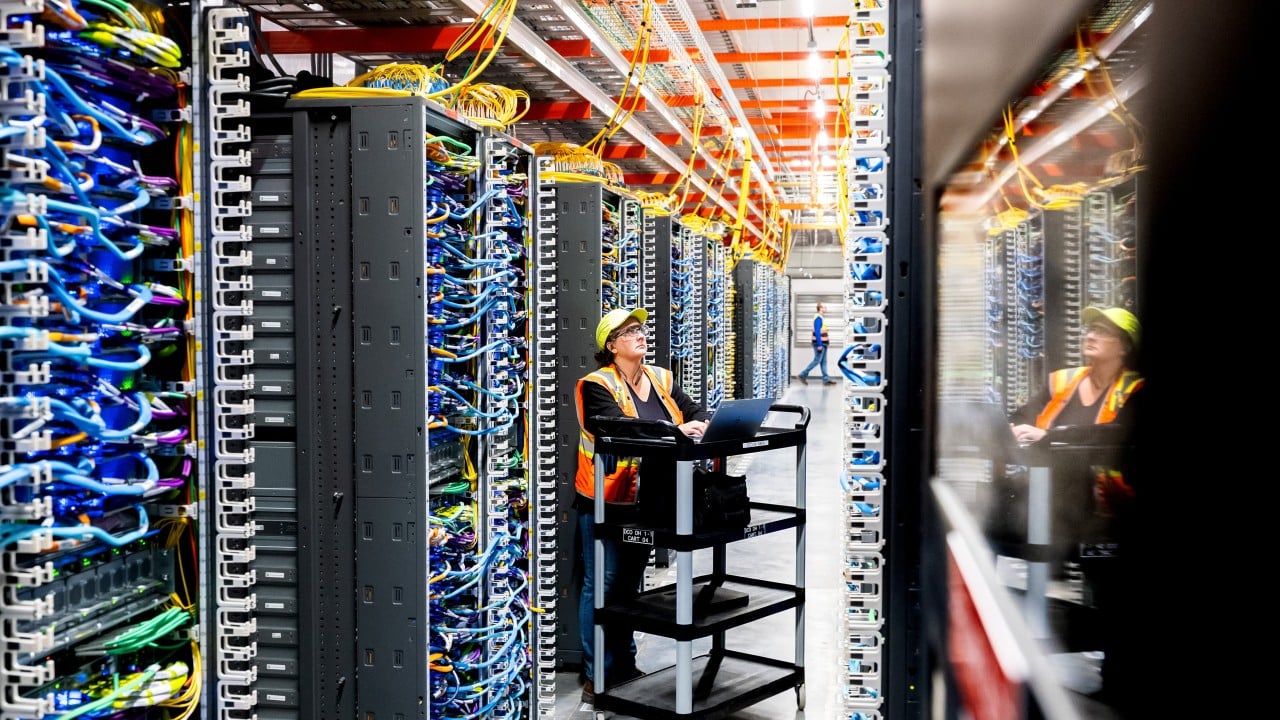
A new Hong Kong-based company named Antimatter is capitalising on the growing popularity of Chinese open-weight models to challenge the dominance of US AI providers such as CoreWeave. Antimatter's mission is to help businesses transition away from US models and cloud systems, enabling them to reduce costs and maintain control over their data.
The company is rapidly expanding its AI data centre capacity and anticipates exponential revenue growth over the next two years, driven by the increasing demand for AI. As more small businesses, government organisations, and tech enthusiasts seek alternatives to US tech giants, Antimatter has attracted inquiries from the Middle East and Europe.
Founded in May, Antimatter is a joint venture between Data Factory (US energy provider), PoliCloud (French modular data centre operator), and HiveNet (Swiss AI inference platform). The company's goal is to compete with neo-cloud leaders like CoreWeave, which has witnessed soaring sales due to the surge in AI demand. Antimatter aims to secure a significant market share by deploying 100 Policloud data centres with over 40,000 GPUs by the end of the year and 1,000 Policlouds with more than 400,000 GPUs by 2030, resulting in a projected €1 billion in revenue by 2028.
The company is currently raising €300 million in equity financing. While Nvidia remains the world's dominant AI GPU supplier, Antimatter believes that other players, particularly Asian ones, will disrupt the market as many AI applications do not require Nvidia's high-end chips.
Written by urgent.news from South China Morning Post's reporting — not their text. Machine-written — may contain errors; check the original before relying on it.
This story
This is one outlet's version. Read the fullest account.
- Hong Kong firm bets on Chinese open-weight models to rival CoreWeave scmp.com
- Trump's crypto firm is partnering with an AI platform offering Chinese models flagged as risks qz.com
- Trump-backed WLF is collaborating with Hong Kong-based AI platform WorldClaw; 43 of its 90 AI models are developed by Chinese entities flagged as security risks (Lawrence Delevingne/Reuters) reuters.com