Hautprobleme im Sommer: Wenn Medikamente die Haut lichtempfindlich machen
Ob Johanniskraut, Antidepressiva oder Retinoide: Eine ganze Reihe an Medikamenten kann zu lichtempfindlicher Haut führen. Was Sie dazu wissen müssen.
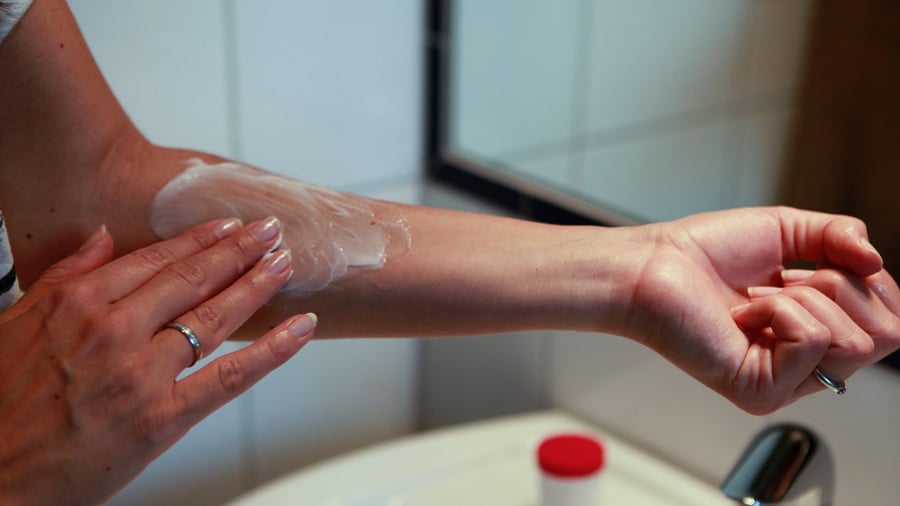
Certain medications can make skin more sensitive to sunlight, particularly during the summer months. This increases the risk of skin damage. The light-induced effects can vary widely, appearing immediately after sun exposure or later on. "Most often, it results in sunburn-like reactions," explains dermatologist Prof. Wiebke Ludwig-Peitsch from the Vivantes Klinikum in Berlin in the magazine "Apotheken Umschau" (August 2026 issue).
The skin may become red, burn, or feel sore. In severe cases, blisters may form, and there may be a pigment disorder, causing the skin to become discolored and persist for a while. Sometimes, the skin reacts with photoallergic reactions, resembling a itchy eczema rash that appears delayed. Dermatologist Ludwig-Peitsch advises that people taking such medications should prioritize sun protection, including avoiding direct sunlight, wearing long clothing and a hat, and using sunscreens with high SPF and UVA protection.
The light sensitivity caused by drugs can manifest even with relatively low sun exposure. Ludwig-Peitsch recommends emollient skin care or after-sun lotion for those who notice a skin reaction. For acute symptoms, cortisone creams or antihistamines may provide relief, though professional guidance is advised. Large blisters, severe symptoms, or persistent skin changes warrant a doctor's visit.
Self-discontinuation of medication is never recommended. However, physicians can assess whether the drug should be discontinued, switched, or dosages adjusted if problems persist. Antibiotics, among other categories, are among the 400 known medications that can cause skin light sensitivity. The list includes specific antibiotics like doxycycline, diuretics, certain antidepressants, antifungals, cancer medications, retinoids, acne treatments, and even St. John's Wort.
Package inserts provide warnings about possible effects, and doctors or pharmacists can offer guidance.
Written by urgent.news from Handelsblatt's reporting — not their text. Machine-written — may contain errors; check the original before relying on it.