Gulf states establish covert oil network to bypass Strait of Hormuz
Gulf nations have established a covert network to transport oil overland around the Strait of Hormuz before loading it onto tankers in the Gulf of Oman, allowing exporters to secure supply routes despite regular Iranian attacks on commercial vessels, Bloomberg reported on August 16.
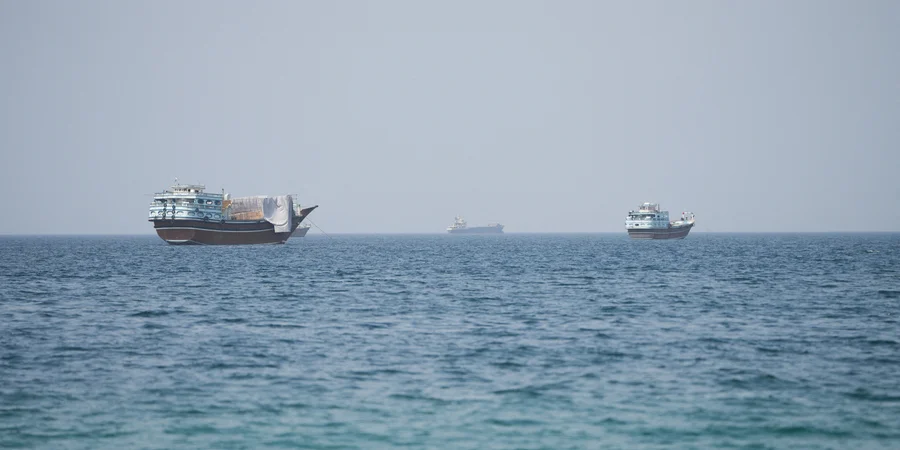
Gulf states have quietly established a network to transport oil overland around the Strait of Hormuz, Bloomberg reported on August 16. This covert network is a crucial lifeline for global markets, which were bracing for significant supply shocks following the war in the Middle East. However, the situation remains perilous for producers in the region, with ships facing repeated attacks despite having military protection.
The volume of oil moving through this network is higher than market estimates of 4 million barrels a day, vessel-tracking data reveals. The UAE, Iraq, Qatar, and Kuwait are among the nations participating in this clandestine operation. According to satellite data, around 150 ships, ranging from oil tankers to bulk carriers, are stationed off the coast of Oman.
Many are waiting for cargo transfers from vessels that have disabled their transponders. While the UAE's state-owned energy giant, Adnoc, has already sold approximately 135 million barrels of crude to buyers worldwide, exporting oil amidst war poses severe risks. Since the onset of the conflict, 23 of Adnoc's vessels have been attacked, resulting in one fatality and 20 injuries to crew members.
U.S. Defense Secretary Pete Hegseth stated that the U.S. military has sufficient resources to maintain a naval blockade of Iran indefinitely. However, U.S. airstrikes have failed to weaken Tehran's control over the Strait of Hormuz despite causing significant damage to Iran's military capabilities. The U.S. has not yet resumed peace talks with Iran, and American citizens in the Middle East have been advised to consider departing or be prepared to do so in case of escalation.
Written by urgent.news from New Voice of Ukraine's reporting — not their text. Machine-written — may contain errors; check the original before relying on it.