Gold edges higher near $4,400 as softer dollar offsets Middle East inflation risks
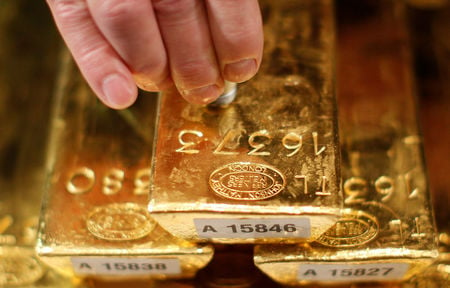
Gold prices rose slightly on Monday, staying close to $4,400 per ounce as a weaker U.S. dollar and disappointing economic data bolstered the precious metal, while concerns about Middle East energy supplies kept inflation worries in mind. At 01:04 ET, XAU/USD increased 0.5% to $4,399.44, and Gold Futures climbed 0.4% to $4,455.90. XAG/USD rose 1.7% to $65.83, and XPT/USD gained 1.8% to $1,749.15. The US Dollar Index dropped 0.2% to 99.49.
Gold entered the new week after finishing the previous week nearly 1% higher. Recent U.S. data helped ease fears of an imminent rate hike, as the Federal Reserve's tightening policy was somewhat alleviated by weaker economic readings. The bond market's inverse relationship with gold also strengthened, with higher borrowing costs negatively impacting the metal.
ANZ analysts projected three stages for gold's performance in the coming year: short-term pressure from persistent inflation and a potentially stagnant Federal Reserve, followed by an economic slowdown due to an energy shock, and finally, stronger support from monetary easing. The brokerage believes gold could rise toward $5,200 an ounce by year-end, driven by worsening international relations and central-bank diversification demand.
Investors will receive more insight into policymakers' decisions on Wednesday when the Fed's July meeting minutes are released. Although the latest economic data have not removed inflation risks, several attacks on ships in the Strait of Hormuz and U.S. preparations for additional measures against Iran's economy have kept global energy supplies unpredictable.
The combination of disrupted shipping, ongoing geopolitical tension, and tentative diplomacy has added to the volatility surrounding energy prices. Gold's ascent above the $4,000 mark has been fueled by higher investor demand and increased central-bank purchases, especially from China. The metal surpassed its 100-day moving average last week and is near that level.
ANZ reported that central banks bought 244 tonnes of gold in the first quarter of 2026, the highest quarterly total since the fourth quarter of 2024. China intensified its gold acquisitions to 8 tonnes in April, marking the country's largest monthly increase since December 2024.
Written by urgent.news from Investing.com's reporting — not their text. Machine-written — may contain errors; check the original before relying on it.
Also reported by 1 other outlet
- S&P 500 opens muted as Middle East tensions weigh businesstimes.com.sg