Ghana government shifts economic focus from stability to growth, jobs – Minister
Mr Thomas Nyarko Ampem, Deputy Minister of Finance, says the government is shifting its economic focus from restoring macroeconomic stability to translating the gains into higher investment, production, exports and quality jobs. The post Ghana government shifts economic focus from stability to growth, jobs – Minister appeared first on Ghana Business News .
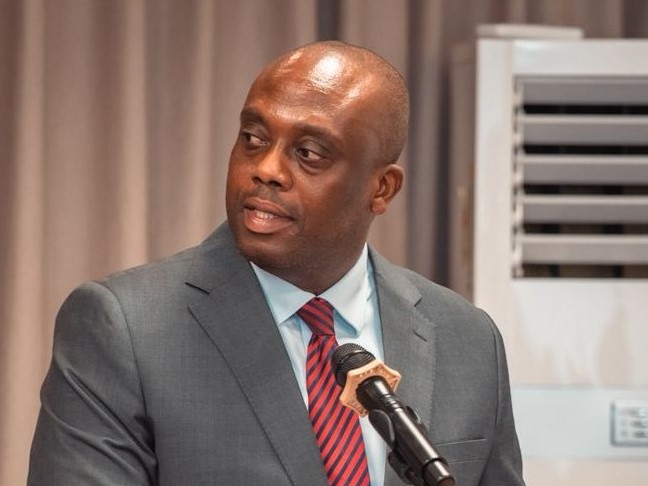
Ghana's government is altering its economic strategy, shifting from restoring macroeconomic stability to focusing on growth and job creation, according to Deputy Finance Minister Thomas Nyarko Ampem. The next stage of economic recovery will prioritize the private sector, with increased domestic production, local value addition, expanded exports, and job creation driving sustained growth.
Nyarko emphasized that improved conditions such as stable inflation, currency, interest rates, and foreign exchange reserves will provide businesses with greater certainty and predictability. He stressed that stability must now lead to industry growth and job creation, with stronger productive activity and employment as key metrics of economic recovery.
The government plans to strengthen domestic supply chains, increase local sourcing of production inputs, process more raw materials, and expand access to international markets for locally produced goods. Lower inflation and better interest rate stability will be expected to improve business conditions, reduce production costs, and provide households and enterprises with greater certainty.
The government aims to lower business costs, improve access to finance, particularly for women-led enterprises via the Women’s Development Bank, and enhance road and energy infrastructure while removing regulatory obstacles. Export support under the 24-hour economy program and technology-driven tax compliance will contribute to consolidating economic stability and creating conditions for stronger private-sector growth.
The AGI's second-quarter Business Barometer survey recorded a business confidence index of 108.7, reflecting ongoing confidence despite persistent cost pressures and real sector challenges. The main challenges cited by businesses were high electricity costs, raw material expenses, tax complexity, access to credit, and poor road infrastructure.
Written by urgent.news from Ghana Business News's reporting — not their text. Machine-written — may contain errors; check the original before relying on it.