Ghana agricultural growth slows to 3.6% in May
Ghana’s agricultural growth slowed to 3.6 per cent in May 2026 from 9.8 per cent a year earlier, the Ghana Statistical Service (GSS) said. The post Ghana agricultural growth slows to 3.6% in May appeared first on Ghana Business News .
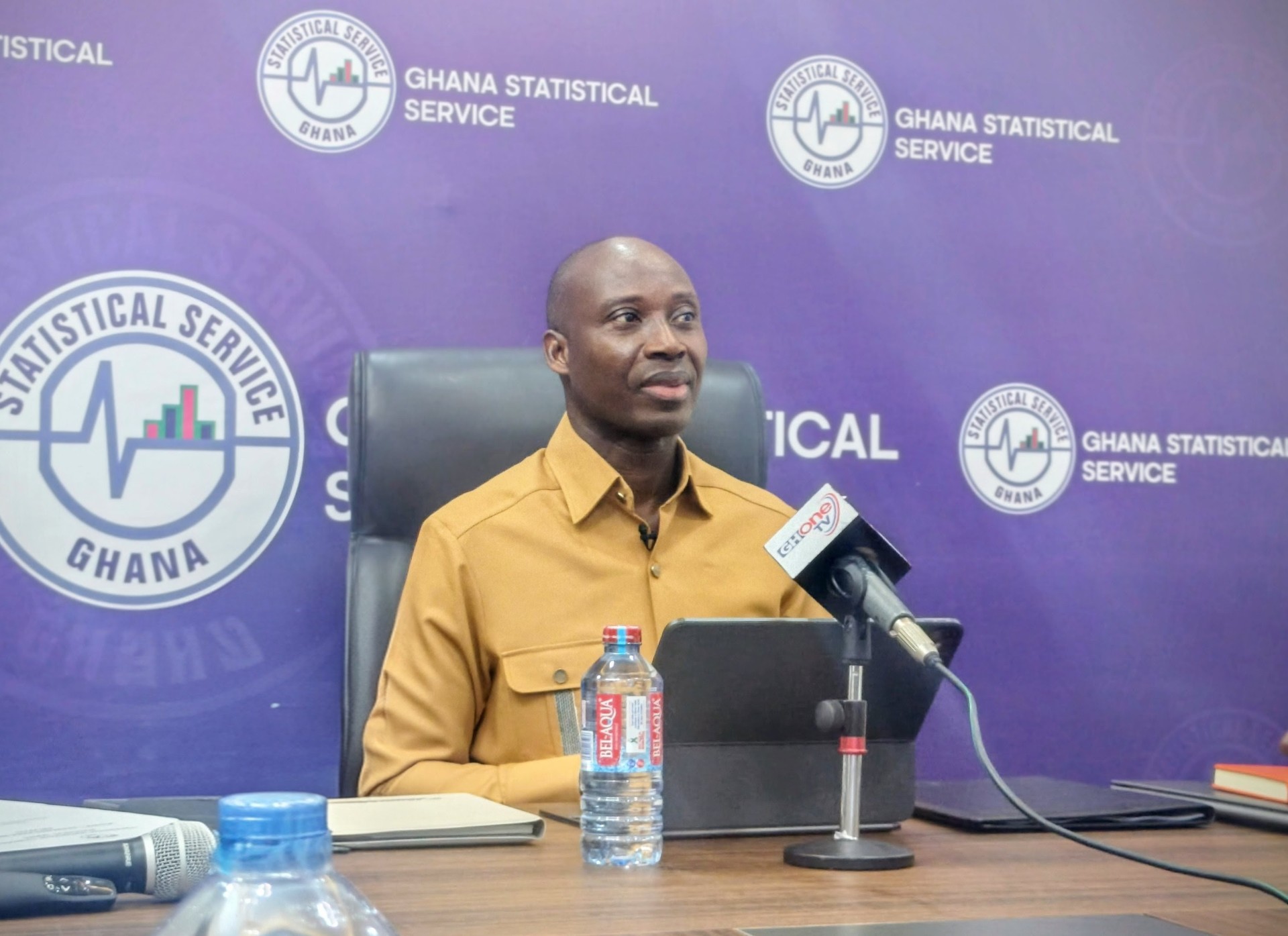
Ghana's agricultural sector experienced a significant slowdown in growth, with the economy expanding by just 3.6 percent in May 2026, according to the Ghana Statistical Service (GSS). This marked a substantial decline from the 9.8 percent growth observed in May 2025, representing the largest reduction among key sectors of the Ghanaian economy.
Despite this slowdown, the GSS noted that overall agricultural output still increased compared to the previous year, highlighting the sector's continued importance in the country's economy.
The decline in growth was primarily attributed to a moderation in the performance of key subsectors, including crops and livestock. The agriculture index, which measures the sector's performance, rose to 118.7 in May 2026 from 114.6 in May 2025. The GSS emphasized that the expansion in May 2026 was largely driven by improvements in these subsectors, but cautioned that the high base set by May 2025's strong performance made year-on-year comparisons more reliable for identifying underlying trends.
Agriculture is a cornerstone of the Ghanaian economy, providing substantial employment and income opportunities while also serving as a primary source of raw materials for local industries and a key contributor to export earnings. The GSS warned that sustained weakness in agricultural growth could have broader implications, including potential increases in food prices, reduced rural incomes, and negative impacts on export performance if the current trend persisted.
Efforts to boost agricultural productivity in Ghana are focused on improving access to essential inputs, enhancing irrigation and mechanization, and strengthening storage facilities. The Monthly Indicator of Economic Growth (MIEG), compiled by the GSS, serves as an early indicator of economic activity trends, providing valuable insights ahead of the release of quarterly Gross Domestic Product statistics.
This monthly indicator, adjusted for inflation, is derived from monthly production data and administrative records, offering a crucial tool for monitoring and managing the country's economic health.
Written by urgent.news from Ghana Business News's reporting — not their text. Machine-written — may contain errors; check the original before relying on it.