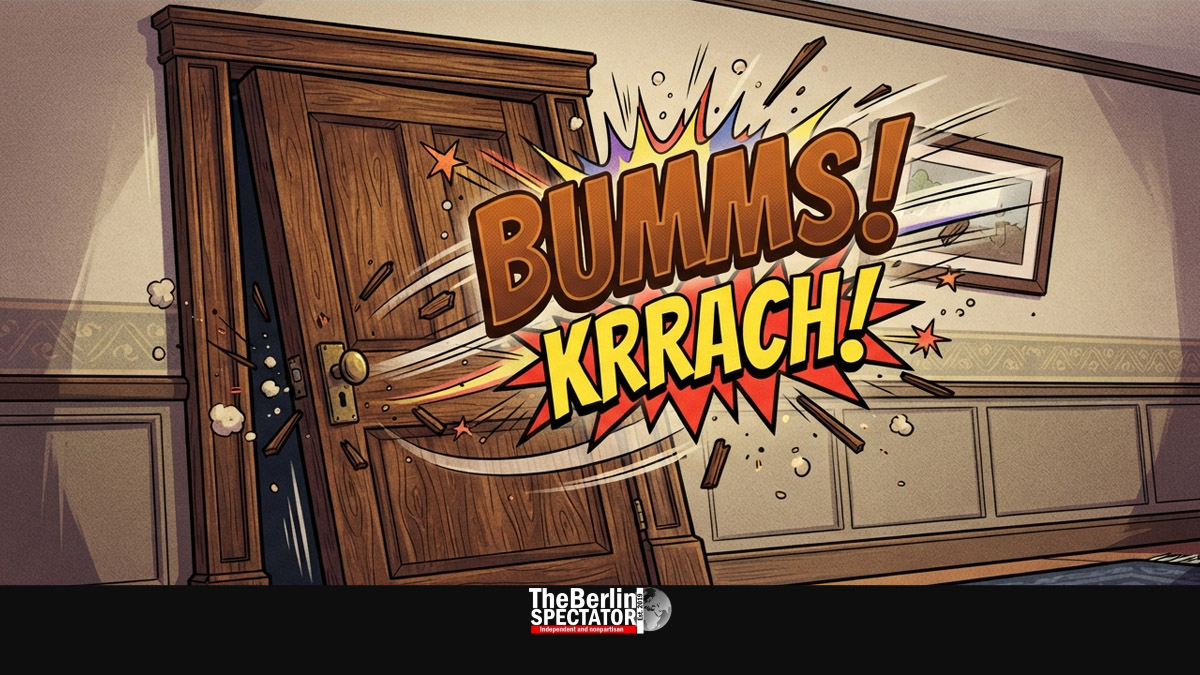
German Onomatopoeia: “Bumms! Krrach!”
Sounds objects make are difficult to learn, but so are animal languages. The entire world is wrong about them, except for the three German-speaking countries. Once and for all: The cow does not say 'moo', but 'Muh'. We insist.
In Germany, the cow named Mathilde makes her presence known through a unique form of communication. When hungry, she utters "Muh," and when thirsty, her needs are expressed in the same manner. The vet's glove earns a familiar response of "Muh." The misconception that cows say "moo" or "momo" in various languages is debunked, as the correct term is "Muh" with a capital 'M.'
This same process extends to other animals, such as ducks, frogs, donkeys, roosters, hens, pigs, and mice, all of which have their distinct onomatopoeic sounds in the German language. The rule of capitalization applies to these onomatopoeic words, ensuring proper grammar. Furthermore, non-animal sounds, like slamming doors, breaking objects, and kicking balls, also have corresponding onomatopoeic expressions in German, such as "Kawumm," "Bumms," and "Kabolz."
The art of onomatopoeia is a rich and diverse one, with many applications and expressions to explore.
Written by urgent.news from The Berlin Spectator's reporting — not their text. Machine-written — may contain errors; check the original before relying on it.