Galamsey threatens fish farming in Ghana – Fisheries Commission warns
The Fisheries Commission has raised concerns over the growing impact of illegal mining, popularly known as galamsey, on fish farming and aquaculture in Ghana. The Commission says it has observed increasing illegal mining activities in wetlands, many of which are considered suitable locations for fish farming and aquaculture development. Ashanti Regional Director of the Fisheries […]
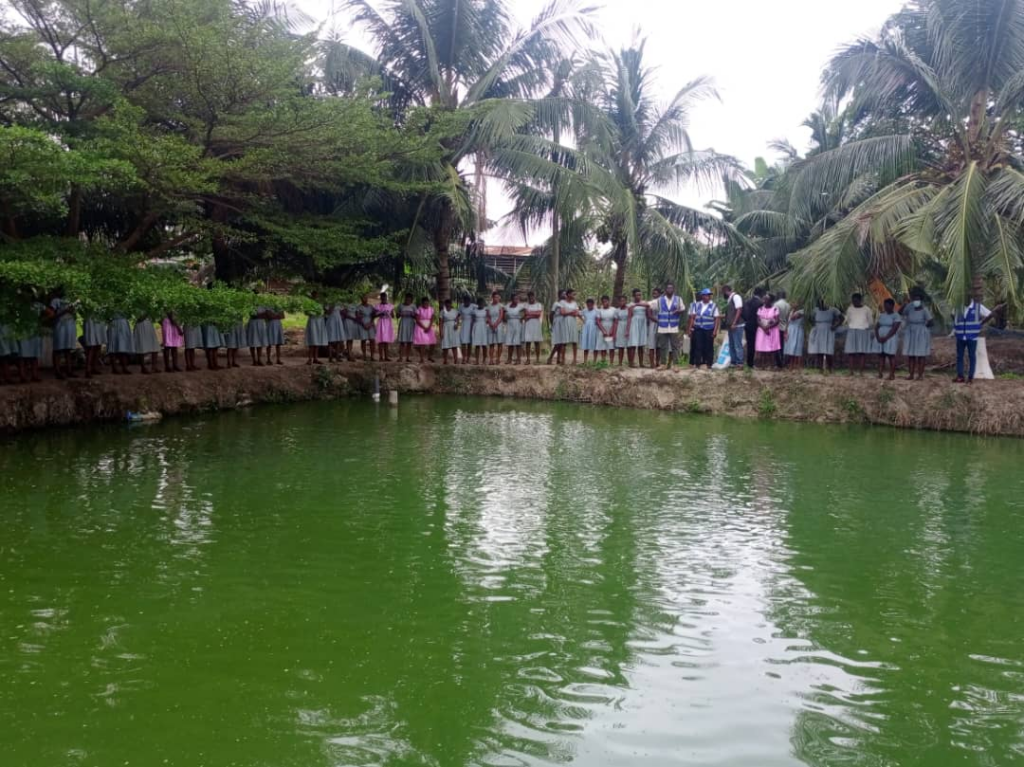
The Fisheries Commission in Ghana has expressed alarm over the detrimental impact of illegal mining, known as galamsey, on fish farming and aquaculture. The Commission has noted that illegal mining activities are encroaching on wetlands, areas traditionally used for fish farming. Ashanti Regional Director Abigail Quarshie highlighted that this trend is making it hard for young people, including recent graduates in agriculture, to find land suitable for fish farming.
She lamented that many young individuals are gravitating towards environmental-degrading activities rather than pursuing viable opportunities in agriculture and fisheries. During the second phase of the Fisheries Commission's Youth in Aquaculture training program, Quarshie emphasized that Ghana's high fish consumption—each person consumes about 25 kilos annually—necessitates the preservation of land and water resources for the sector's sustainability.
She warned that unchecked galamsey could render much of the country's land and water bodies unusable for fish farming, threatening food security and livelihoods in the fisheries and aquaculture industries. The initiative targets senior high school students, providing them with practical knowledge in fish farming, including biosecurity, processing, and proper storage.
Quarshie's appeal to stakeholders for support in protecting wetlands and water bodies underscores the critical need to safeguard these resources for the sector's future.
Written by urgent.news from Adom Online's reporting — not their text. Machine-written — may contain errors; check the original before relying on it.