FTSE Russell continues to defer Indonesian index additions, tier changes until December
FTSE Russell will continue to defer the addition of Indonesian stocks and most index classification changes until at least December, the index provider said on Tuesday.FTSE Russell said the deferral w...
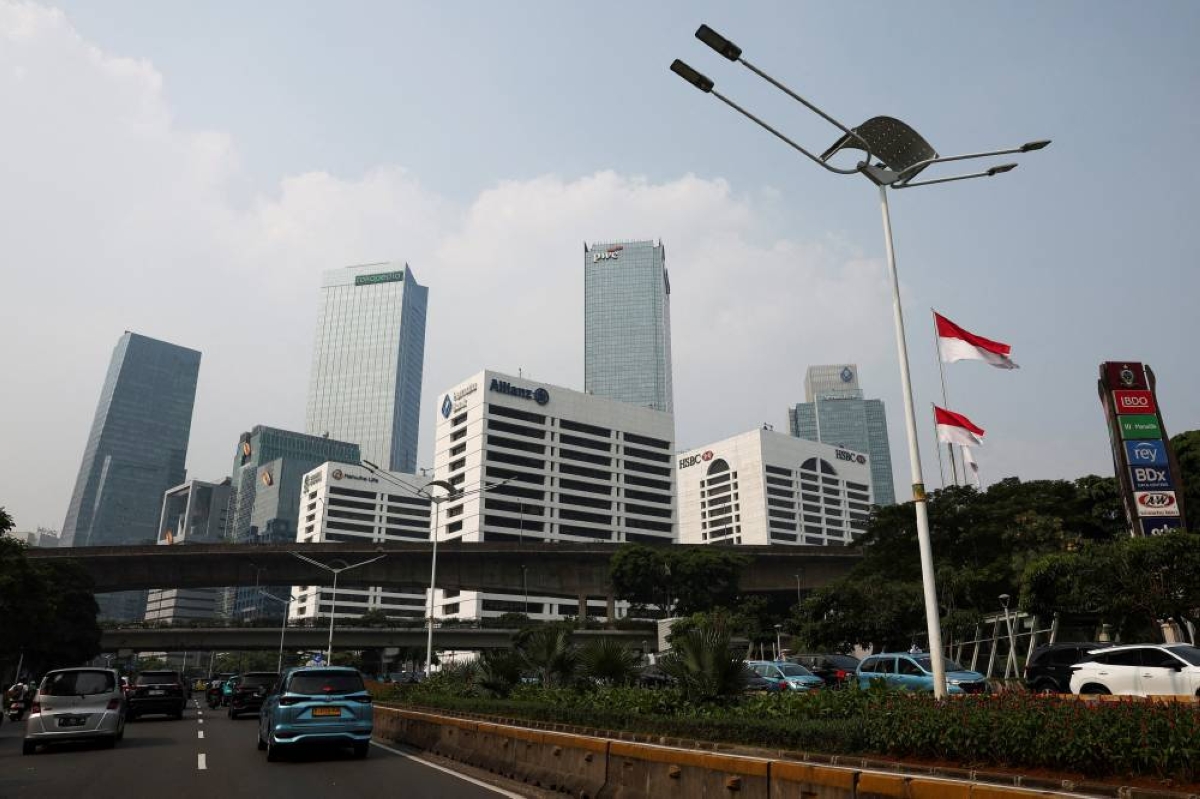
FTSE Russell has announced it will postpone the inclusion of Indonesian stocks and many index classification adjustments until December at the very least. This decision came from the index provider on Tuesday, providing an extended observation period to evaluate the impact of market reforms designed to enhance transparency and integrity within Indonesia's capital markets.
The deferral process began in February, and it is happening amid global index providers' ongoing scrutiny of Indonesian markets concerning market transparency and investability. MSCI had already extended its review of the market to November, while S&P Dow Jones Indices had warned in early July that Indonesia could face a downgrade to frontier-market status.
On Tuesday, FTSE Russell disclosed its assessment of the measures introduced by Indonesian authorities, which included the disclosure of shareholder ownership data above 1%, publication of a high shareholding concentration list, and improvements to investor classification reporting. Despite this, the index provider will still make certain changes during its September review, such as industry classification updates, quarterly share updates, free-float decreases, capping updates, and deletions related to index eligibility screens.
Written by urgent.news from Gulf Times Business's reporting — not their text. Machine-written — may contain errors; check the original before relying on it.