Five years on, the world’s Taliban dilemma continues
Five years have passed since the Taliban assumed control of Afghanistan, a regime characterized by their self-assuredness and the establishment of a state, albeit one marked by repression. While they claim they have brought peace, merely the absence of warfare is insufficient to ensure enduring tranquility. True peace necessitates conditions such as justice, inclusivity, dignity, harmony, and cohesion.
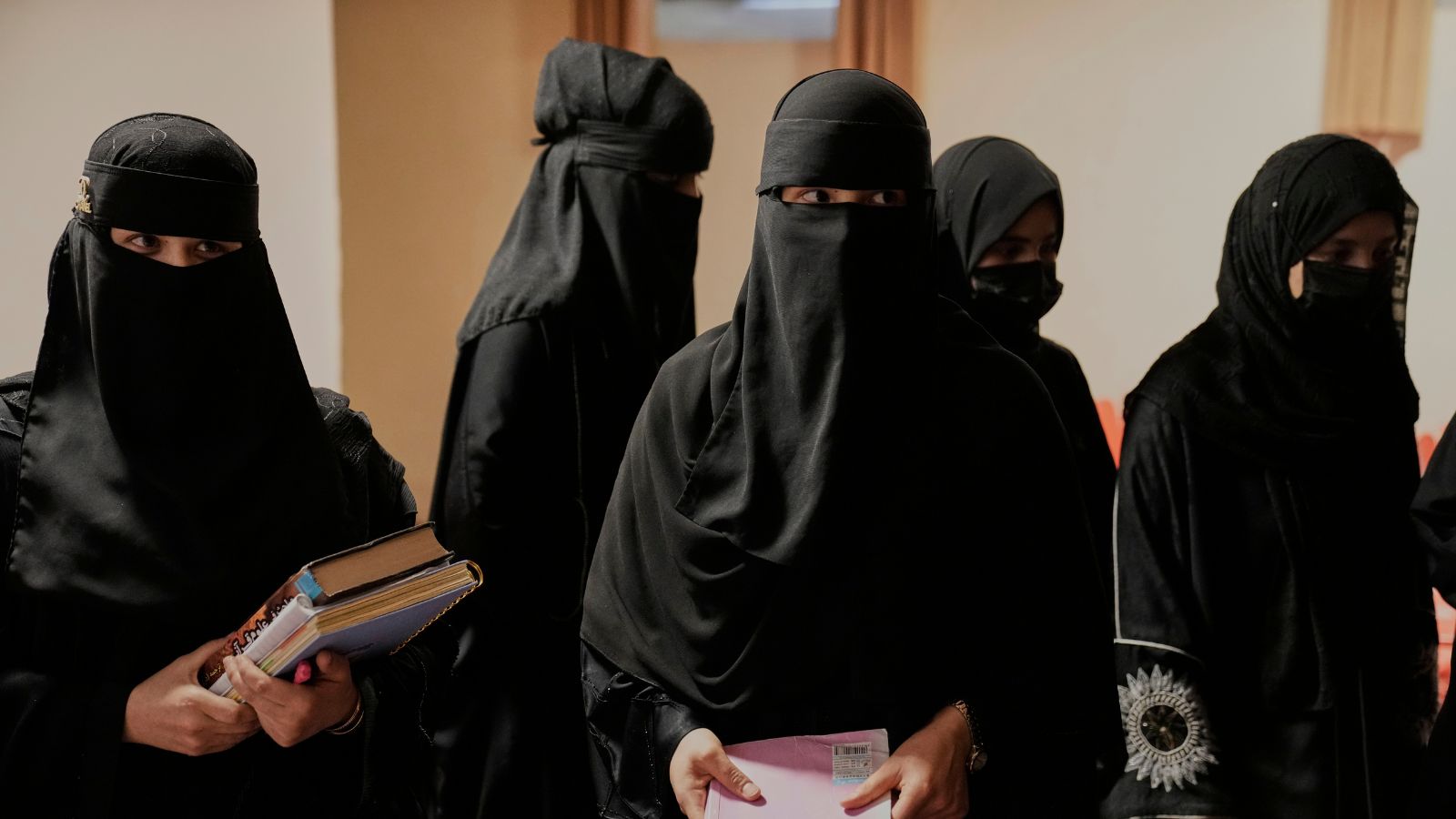
Regrettably, with half the population systematically barred from participating in public life, describing Afghanistan as at peace remains untenable. Afghan women continue to bear the brunt of the Taliban's governance. As of 2026, approximately 2.4 million Afghan girls are still barred from secondary education. The Taliban's regulations have significantly limited women's access to employment, healthcare, public spaces, mobility, and political involvement.
Over 100 stringent decrees have been issued since 2021, firmly institutionalizing a system of gender-based exclusion. This disregard for women's contributions deprives Afghanistan of the human resources it requires for reconstruction, while restrictions on female humanitarian workers hinder the delivery of aid to the most vulnerable segments of society, further exacerbating the predicament of Afghan women.
Today, the international community confronts a distinct dilemma: How to engage with a regime they do not recognize without sanctioning the system they have created? Most nations have not formally acknowledged the Taliban government, yet diplomatic interaction has expanded in recent years. Nations like China, Iran, Pakistan, India, Turkey, and Central Asian states have sustained varying degrees of communication with Kabul, motivated by security, commerce, migration, and regional interests.
Russia even went further, officially recognizing the regime last year, becoming the first nation to extend formal legitimacy to the Taliban since their return to power. Concurrently, Western governments persist in maintaining channels with the de facto authorities for humanitarian aid and counterterrorism. Also Read | A pact, divided within, with no single threat.
Regional states cannot merely overlook the security and migration implications of isolating Afghanistan. Thus, diplomatic engagement remains imperative to negotiate access, safeguard aid workers, and employ any remaining influence for regional stability. However, if governments incrementally deepen diplomatic and economic ties with Kabul while women's exclusion becomes a perpetual undercurrent, the Taliban receive a potent signal: Repression may provoke condemnation, but it is unlikely to deter international engagement sufficiently.
Therefore, the international community must differentiate between engaging Afghanistan and legitimizing Taliban rule. The Taliban endured international isolation, consolidated power, gradually opened avenues for international interaction, and demonstrated that military triumph could transition into political endurance. Yet, the country remains economically fragile, heavily reliant on humanitarian support, and cut off from the human capital it could cultivate.
The lesson gleaned from the past five years is not that the international community should have persisted in Afghanistan indefinitely nor that engagement with the Taliban should be wholly rejected. Yet, the mounting inclination to perceive Afghanistan as a resolved matter, and engage the Taliban simply because they hold the reins of power and because humanitarian aid is crucial for its recovery, risks transforming pragmatic engagement into de facto normalization.
Written by urgent.news from The Indian Express's reporting — not their text. Machine-written — may contain errors; check the original before relying on it.