Elderly at far greater risk from rising heat than thought
A study found that at 1.5°C of warming, 22% of people aged over 60 could face unsafe heat for at least a month each year.
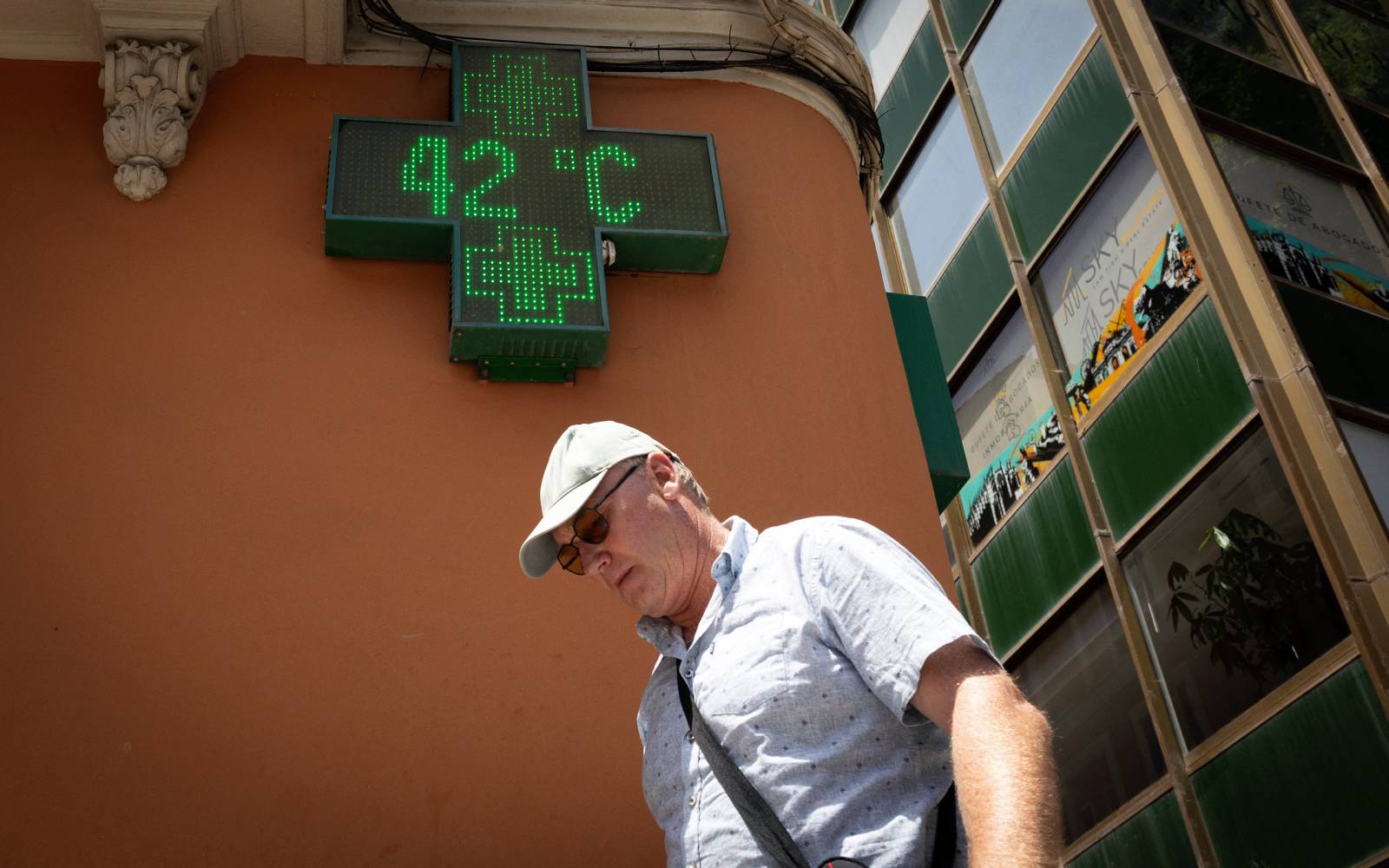
A recent US study reveals that the health risks posed by rising temperatures to elderly individuals have been significantly underestimated. The research, published in The Lancet Planetary Health, assesses the likelihood of heightened heat levels endangering older people's well-being. Previous studies utilized wet-bulb temperature, a measurement that considers humidity to gauge the maximum heat a human body can endure.
However, these investigations primarily focused on young, healthy adults, overlooking the heightened risk heat poses to older individuals due to factors like reduced sweating and weaker hearts.
To address this gap, the researchers employed fresh data from recent wet-bulb experiments conducted on individuals over 60, incorporating the world's aging population into their models. The study projects that if global temperatures rise by 3°C, elderly people in the most vulnerable regions – such as South Asia and the Gulf – could endure dangerous heat conditions day and night for three consecutive months annually.
According to the findings, under a 1.5°C temperature increase, 22% of individuals over 60 worldwide will be exposed to unsafe heat for at least a month each year. Each additional degree of warming will expose a billion more people to extended periods of intolerable heat and humidity. The worst-affected countries, characterized by high poverty levels and limited access to cooling facilities, include India, Pakistan, Bangladesh, Myanmar, and Niger.
The researchers emphasize that uncompensable heat could fuel internal displacement and transboundary climate migration, presenting new policy and humanitarian challenges. To prevent these dire scenarios, they advocate for global efforts to curb greenhouse gas emissions and prioritize vulnerable older people in future heat mitigation plans.
They stress that most heat-related fatalities occur indoors, underscoring the importance of expanding access to air-conditioning and other cooling facilities. The study highlights that wildfires, prolonged heatwaves, and drought have ravaged Europe during what is being deemed the world's fastest-warming continent's hottest summer on record, with next year expected to be even hotter.
Written by urgent.news from Free Malaysia Today's reporting — not their text. Machine-written — may contain errors; check the original before relying on it.
This story
This is one outlet's version. Read the fullest account.
- Elderly at far greater risk from rising heat than thought freemalaysiatoday.com