Effective AI: It all starts with trusted data
The data ecosystem provides the context, accuracy and reliability required for intelligent outcomes from artificial intelligence.

South African businesses are rapidly integrating AI, advanced analytics, and automation into their operations, yet many are discovering that their investments do not yield the expected results. This is especially true for projects requiring critical business insights or autonomous AI agents. The reason behind this is simple: AI's effectiveness hinges on the quality of the data it uses, yet many organizations overlook the importance of a robust data foundation.
At the pinnacle of AI's infrastructure lies a vast data ecosystem, which supplies the context, accuracy, and reliability necessary for intelligent outcomes. Typically, a large enterprise relies on its ERP system as the primary source of data for AI. However, within various departments, such as finance or HR, additional, often outdated spreadsheets may also be utilized.
These datasets may lack proper governance and can exist in multiple formats across different systems like ERP, CRM, HR applications, operational systems, spreadsheets, and external data sources.
Moreover, continuous data input from diverse sources creates fragmentation, duplication, and inconsistency across business functions. This environment may lead to what is commonly referred to as the "garbage in, garbage out" problem, where AI models amplify such issues at scale, producing untrustworthy and potentially even non-compliant outputs.
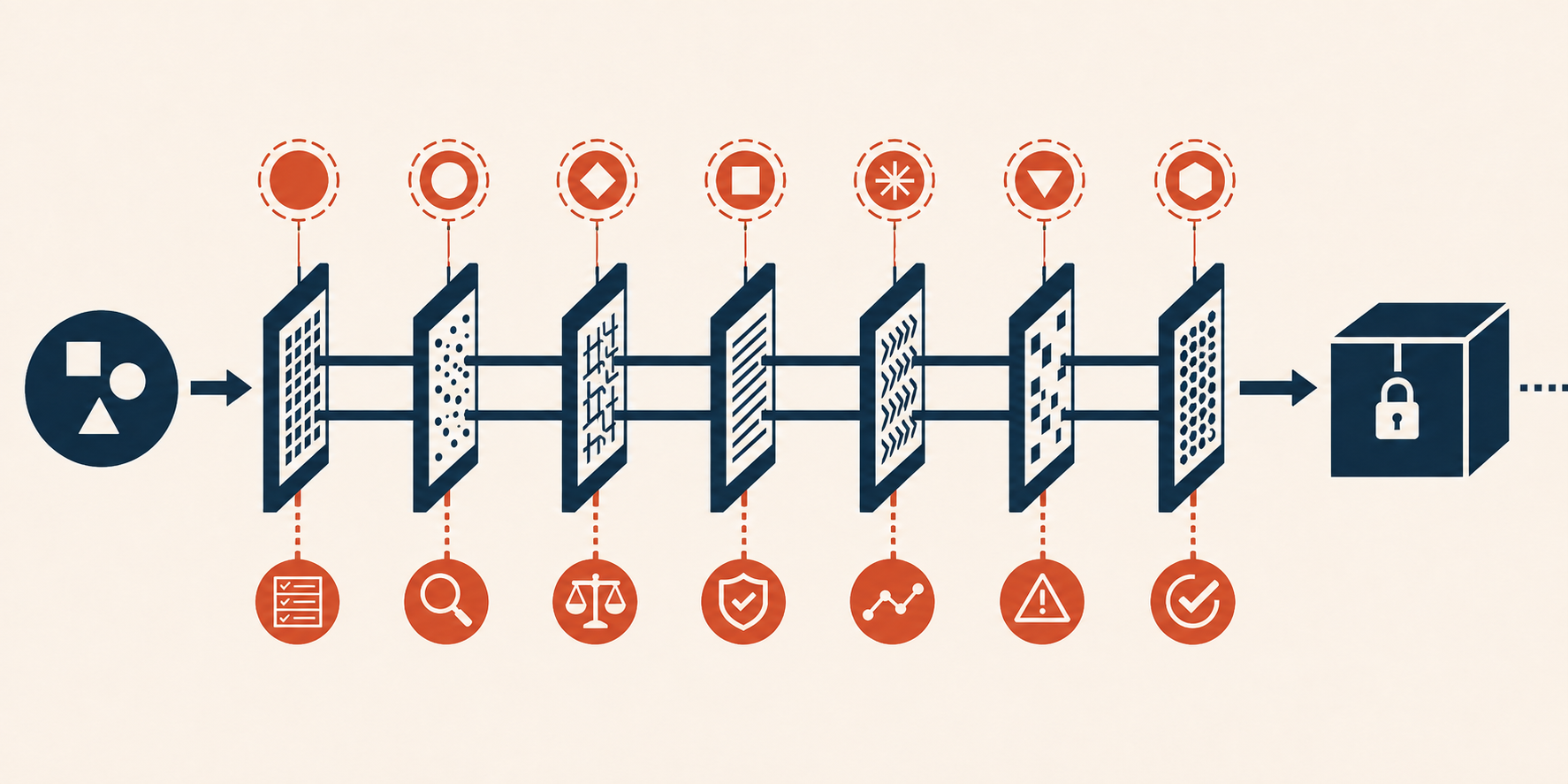
To facilitate AI adoption, organizations must establish comprehensive data strategies, effective governance, and data integration that consolidates information from across the enterprise to form a cohesive view of operations. This integration enables AI models to analyze complex relationships rather than relying on isolated datasets, leading to deeper insights and more precise predictions and recommendations.
Central to a successful AI program is data governance, which encompasses policies, ownership structures, standards, and controls to uphold data quality and consistency across the organization, thereby fostering trust in the data. Organizations must define their objectives with data—whether for operational efficiency, insights, or monetisation—and ensure they have systems and processes in place to produce reliable, curated data with a single source of truth. This often involves redesigning data architecture and defining data ownership and stewardship.
Security, access, and compliance are crucial components of the data strategy, with data security, masking, access control, regulatory compliance, and data sovereignty given top priority. Some organizations may even create curated, purpose-built datasets tailored for specific AI use cases.
Establishing a robust data strategy is not merely a supportive activity accompanying AI initiatives; it is a prerequisite for success. Organizations can begin by identifying priorities, integrating essential data, and implementing necessary safeguards to achieve early AI wins. It is important to remember that while AI is often perceived as a solution for every business challenge, it should be viewed as an enabler rather than a replacement for business strategy, operational excellence, or domain expertise.
The true competitive advantage stems from the combination of trusted data and AI, effectively applied to address specific business challenges. Ultimately, the organizations that achieve the most success with AI will not be those with the most sophisticated algorithms, but those who have invested in trusted data, interconnected processes, and a clear understanding of how technology supports their unique business strategy.
Written by urgent.news from ITWeb's reporting — not their text. Machine-written — may contain errors; check the original before relying on it.