Don’t just scrap UUCA, use it to reshape Malaysia’s universities, says UTM VC
KUALA LUMPUR, Aug 17 — The repeal of the Universities and University Colleges Act 1971 (AUKU) should not be seen a...
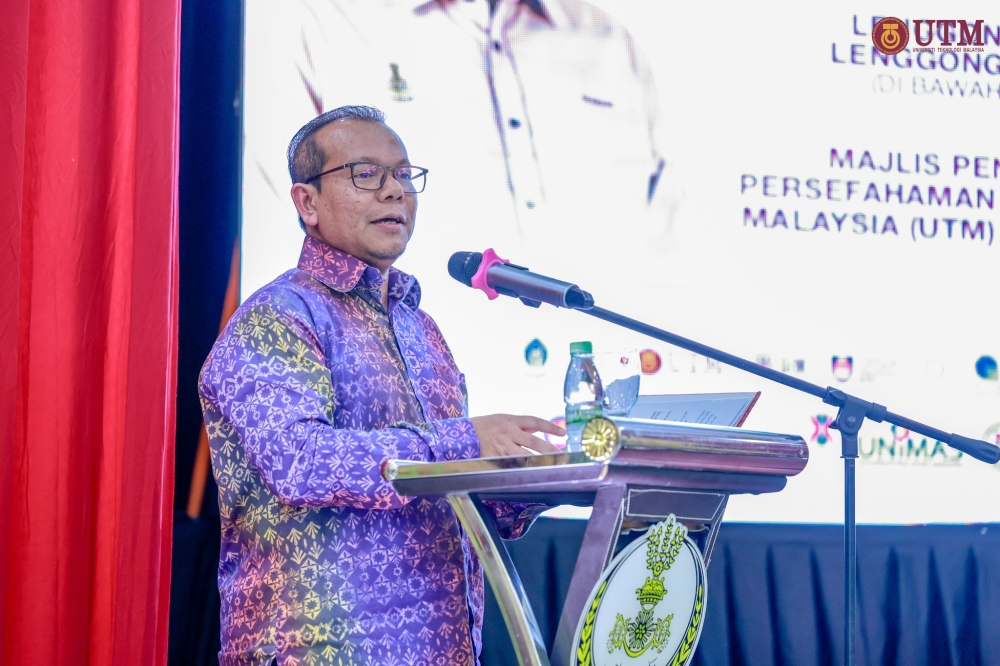
On August 17, Universiti Teknologi Malaysia (UTM) Vice-Chancellor Prof Dr Mohd Shafry Mohd Rahim urged the repeal of the Universities and University Colleges Act 1971 (AUKU) not merely as an end, but as a chance to build a more mature, inclusive and forward-thinking higher education system for Malaysia. Rahim emphasized that the shift must be supported by a legal framework that fosters knowledge, intellectual courage and creativity, in harmony with evolving technological, economic and geopolitical landscapes.
UTM expressed support for the Ministry of Higher Education's (KPT) comprehensive and responsible approach to implementing the transformation. Prof Rahim stressed that modern universities are not just knowledge providers, but arenas for creating solutions, generating ideas and nurturing citizens capable of independent thought and ethical action. He argued that higher education legislation should adapt to changing times, while preserving institutional stability and public interest.
Rahim suggested that institutional autonomy should be the foundation for reform, granting universities the flexibility to set their academic priorities, bolster research, develop talent and forge strategic collaborations based on their strengths. However, he clarified that autonomy is not limitless freedom, but rather requires accountability, transparency, integrity and social responsibility.
UTM Vice-Chancellor also called for strengthening academic freedom as the cornerstone of a reputable university, allowing scholars and students to investigate complex issues, present evidence-based opinions and engage in civil discourse. However, this freedom demands intellectual discipline; arguments must be backed by facts, research must be ethical, and discussions cannot be used to propagate extremist views or disparage human dignity.
The reform's new higher education legal framework should acknowledge the varied nature of institutions, including universities, university colleges, technical-focused institutions and private education providers with distinct mandates and challenges. Rahim stressed that drafting a replacement framework must be consultative and evidence-based, incorporating input from students, academics, administrators, alumni, industry, civil society and legal experts.
The UTM official envisioned that the success of AUKU's abolition should not be gauged solely by the act's repeal date or new laws' enactment. Instead, it should focus on universities' ability to embrace truth-seeking courage, uphold management efficiency, celebrate diversity, and remain close to the public's needs. Rahim saw this as an opportunity to create higher education that is globally competitive, yet grounded in human values aligned with Malaysia's Higher Education Plan (RPTM) 2026-2035.
Written by urgent.news from Malay Mail's reporting — not their text. Machine-written — may contain errors; check the original before relying on it.
This story
This is one outlet's version. Read the fullest account.