Demand to install advanced screening systems in blood banks in Kerala to detect infections
This is in the wake of reports about the spread of HIV, Hepatitis B, and Hepatitis C infections among college students in some parts of the country
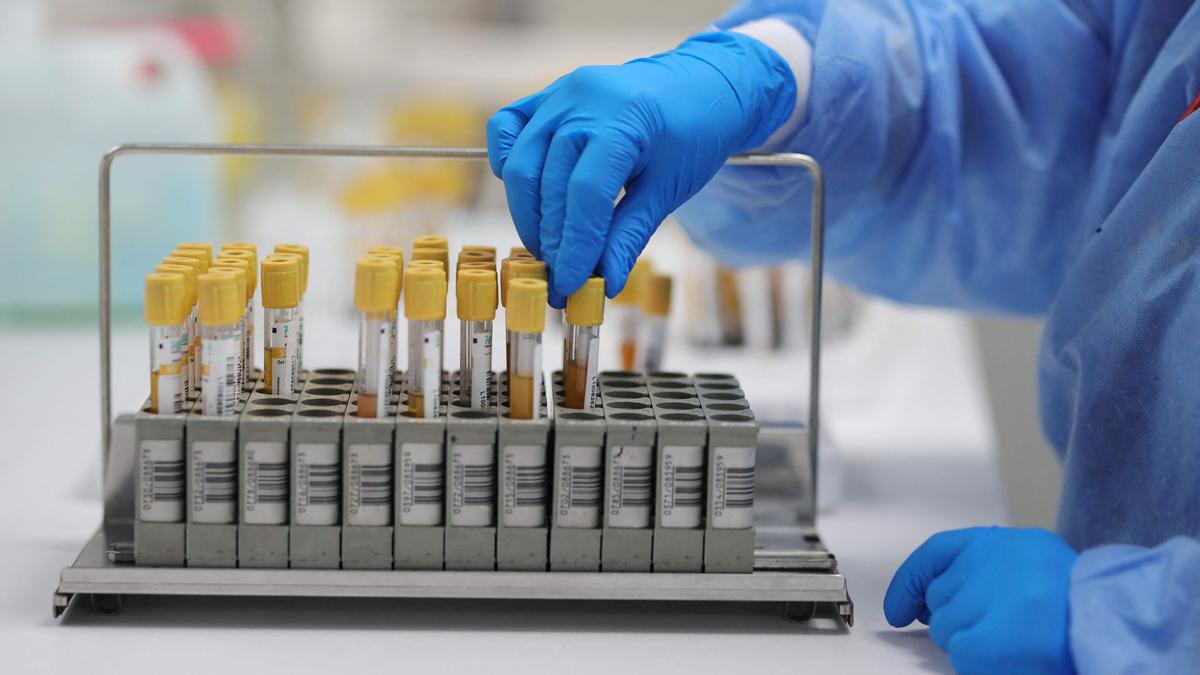
A petition has been filed to equip government and private blood banks in Kerala with advanced screening systems capable of detecting HIV, Hepatitis B, and Hepatitis C infections. This comes in response to reports of rising infection rates among college students across the country. Blood banks in India have traditionally relied on voluntary donations from college students, considering them a relatively safe source of blood for decades.
Thousands of patients suffering from various blood disorders, including thalassemia, sickle cell disease, haemophilia, aplastic anaemia, leukaemia, and more, rely on regular blood transfusions for survival. However, the increasing prevalence of viral infections among young donors has raised serious concerns. Kareem Karassery, president of the Blood Patients Protection Council in Kerala, highlighted the need for advanced nucleic acid testing technology in blood banks, as many lack access to such systems.
The Collegiate Education Department and Visvesvaraya Technological University in Karnataka have already taken steps to conduct health camps for HIV testing and counselling in colleges. Reports of blood transfusion-related infections have also emerged from Haryana and Madhya Pradesh. There are cases of thalassemia-infected children in Kerala diagnosed with Hepatitis B and C after blood transfusions, though they are hesitant to disclose their identities.
One HIV-infected child recently underwent a bone marrow transplant in Bengaluru and will require another two years to confirm a negative HIV test. Mr. Karassery called on the Union Minister for Health and Family Welfare, J.P. Nadda, to launch a nationwide awareness campaign on preventing HIV, Hepatitis B, and Hepatitis C, focusing on adolescents and college students.
The council also urges the introduction of blood-borne infection information in the higher secondary school curriculum and the establishment of NAT screening facilities in all blood banks across the country. Additionally, a national policy should be developed to provide financial compensation, lifelong medical care, and rehabilitation support to patients who contract infections through blood transfusions.
Written by urgent.news from The Hindu Health's reporting — not their text. Machine-written — may contain errors; check the original before relying on it.
This story
This is one outlet's version. Read the fullest account.