Data centers fuel growth in rural US town, but not everyone benefits
AgenciesA $15 million aquatic center with a six-lane pool, waterslides and a lazy river opened in Quincy, Washington, a few weeks ago.It’s part of the public parks splurge in the c...
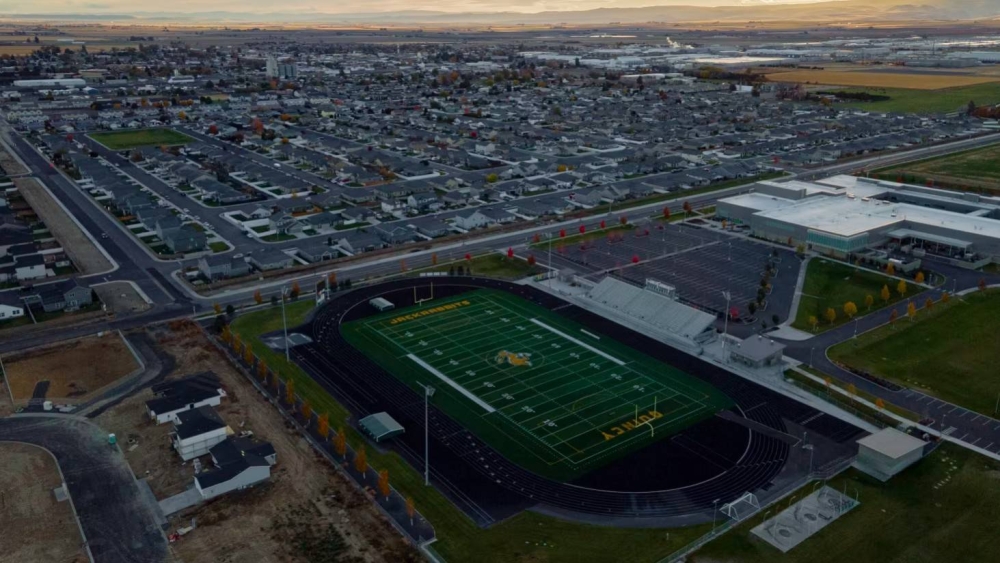
In Quincy, Washington, a rural farming town of 8,500, the rise of data centers has fueled a surge in infrastructure and services, leading to a nearly $120 million investment in public facilities. The town, which is miles away from the Columbia River, now boasts a $15 million aquatic center, a 143,000-square-foot indoor sports complex, and a state-of-the-art high school. However, not everyone is benefiting from this growth.
Data centers, which account for roughly 30 in Quincy, generate approximately 57% of the town's property taxes. This influx of technology companies has created around 900 jobs for engineers, pipefitters, and electricians, resulting in additional job opportunities in construction, retail, and local services. Quincy's poverty rate has also plummeted from 29.4% in 2012 to 6.2% in 2024.
The town's transformation has not been entirely positive for its mostly Hispanic agricultural and food processing workers. As the cost of living has risen, housing has become unaffordable for many, leading to a demographic shift with the Hispanic population increasing from 37% in 1990 to around 75%. The town's dependency on data centers has also raised concerns about rising electricity bills, with residential power rates increasing by 3.5% in Grant County, while large industrial customers' rates went up 9.1%.
Despite these challenges, data centers have proven to be valuable fiscal assets for Quincy, generating significant revenue without burdening the town's schools and public safety budgets. However, some community organizations are advocating for a more equitable distribution of jobs and economic benefits to local residents, particularly those in the predominantly poor Hispanic agricultural and food processing sectors.
Written by urgent.news from Qatar Tribune Business's reporting — not their text. Machine-written — may contain errors; check the original before relying on it.