Dam levels trail last year’s figures as super El Niño threatens South Africa’s water supply
SA faces a high probability of a strong or 'super' El Niño developing, bringing an unusually hot, dry summer from October 2026 through to March 2027.
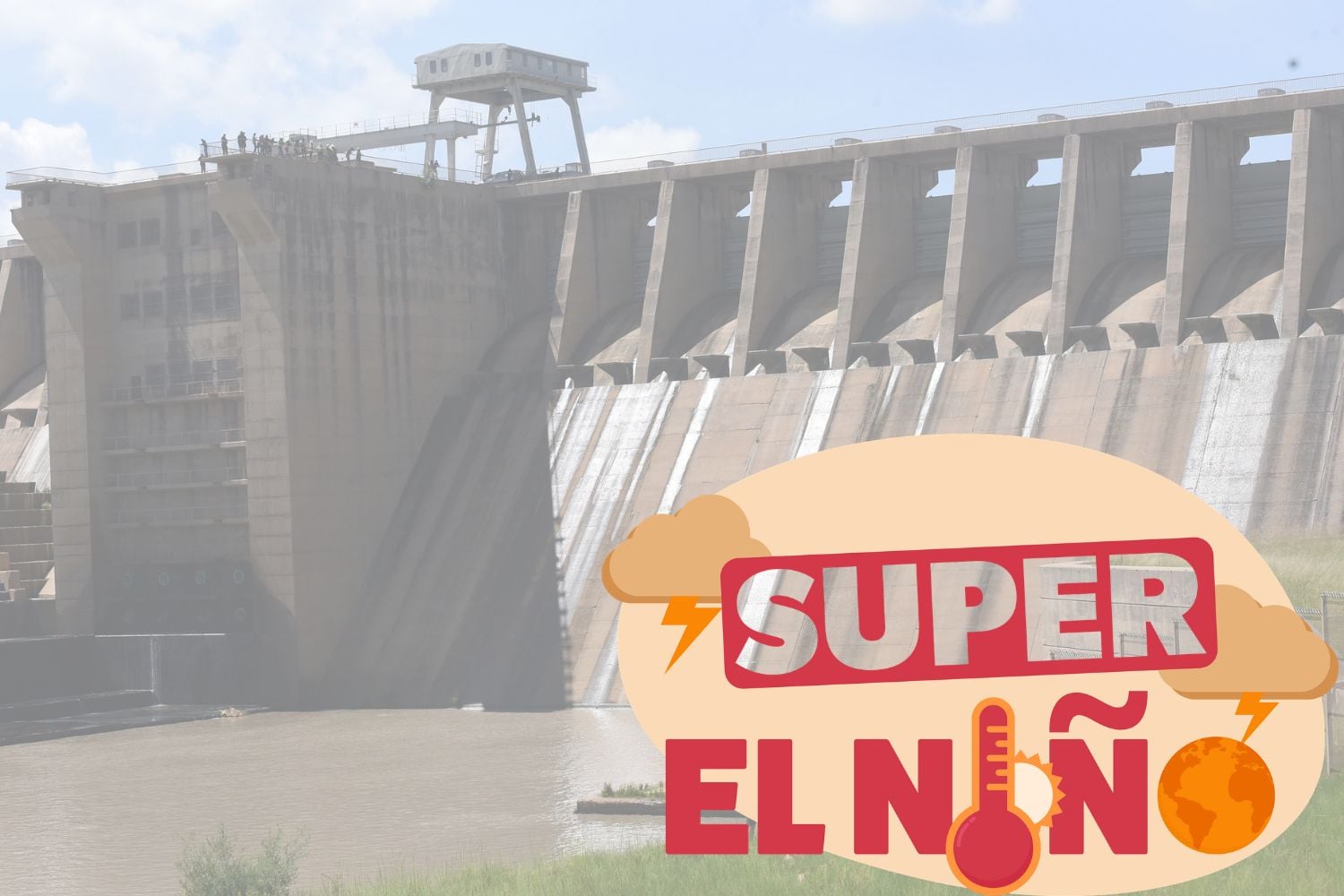
South Africa anticipates the potential emergence of a strong El Niño this summer, which could lead to heightened water restrictions, rising costs, and diminished supply as key dams are currently below their levels from the previous year. The event may strain agriculture and contribute to higher food prices heading into 2027, although the country possesses a buffer in the form of dam levels from past wet seasons.
Water expert Carin Bosman cautioned that the severity of the impact would depend on the season's development, but stressed that a drier summer would inevitably reduce water availability, leading to more restrictions, increased costs, and lower supply reliability. The Department of Water and Sanitation (DWS) said they are closely monitoring conditions and prepared to take action if necessary.
For instance, if early signs of dry conditions emerge, water users might be required to adopt proactive water-saving measures or face water use restrictions to maintain water security. Current dam levels show that the major dams supplying Cape Town and the Western Cape Water Supply System are at 77.7% of capacity for the week of August 7, 2026, compared to 84.8% in the same week last year.
Individual dams vary, with some like Steenbras Lower at 53.6% and Gariep Dam at 99.3% currently above the national average. The Vaal Dam, a crucial source for South Africa's economic heartland, remains close to full, with storage between 100.63% and 101.89% over the week of August 10-16, 2026. While healthy dam storage levels provide a sense of assurance, they should not be considered a guarantee against future water shortages, as Bosman emphasized that reduced consumption patterns early on are crucial to avoid being caught off guard when a dam becomes empty.
South Africa has experienced droughts repeatedly over the past 40 years, with major episodes recorded in various decades. The most recent droughts, such as the 1992 and 2007-2008 periods, had significant social and economic repercussions. Research suggests that a "super" El Niño, which is expected this summer, could exacerbate the situation by accelerating the hydrological cycle due to climate change-induced higher temperatures, leading to longer-lasting and more intense droughts in some areas while causing larger floods in others.
DWS bases their planning and operational decisions on official seasonal climate information and observed hydrological conditions rather than on descriptive terminology such as "super" El Niño. They follow a risk-based approach to respond proportionately to prevailing conditions. The impact of drought varies across provinces, with the Eastern Cape and KwaZulu-Natal already below their levels from the previous year, while the Free State and Western Cape are comparatively stronger.
Written by urgent.news from The Citizen's reporting — not their text. Machine-written — may contain errors; check the original before relying on it.