Cold-Stored Platelets Safe in Cardiac Surgery
(MedPage Today) -- Extending the shelf life of platelets with refrigeration didn't hurt their hemostatic function for people undergoing complex cardiac surgery, the landmark CHIPS trial found. Platelets stored at 1-6°C (33.8-42.8°F...
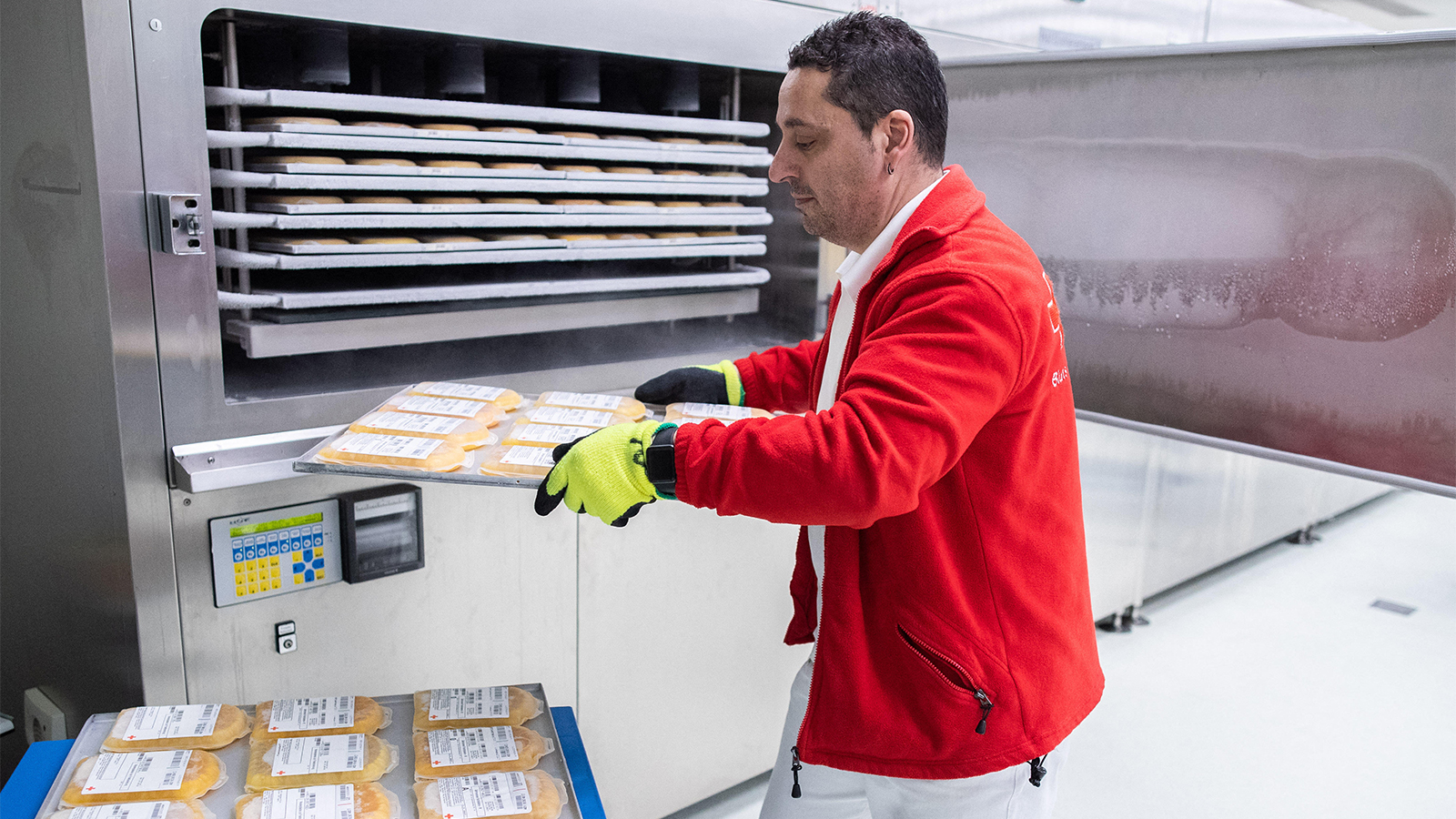
A 1,000-patient study, CHIPS, discovered that refrigerating platelets for up to 21 days does not compromise their ability to control bleeding during intricate heart operations. Platelets kept at 1-6°C for 21 days performed as well as those stored up to 7 days at room temperature in terms of stopping active surgical bleeding. Both groups scored 3.08 and 2.99 on a 1-5 hemostatic efficacy scale, respectively, with a minimal difference of 0.09 that represents a 99.9% probability of noninferiority.
The median chest tube output after 24 hours was also similar (8.9 vs 8.4 mL/kg, a difference of 0.4, with a 95% confidence interval of -1.0 to 1.5). No substantial differences were noted in thrombotic events, complications, or fatalities between the groups. Researchers from the University of Pittsburgh, led by Dr. Philip Spinella, suggest that using cold-stored platelets might help address platelet shortages and wastage, and could allow for platelet inventory in areas where room-temperature platelets cannot be maintained.
The findings suggest a possible return to favoring cold-stored platelets, as refrigeration has been the standard method for storing platelets for managing active bleeding, until past studies showed better outcomes when stored at room temperature. The study's outcomes challenge a storage method that has remained largely unchanged for over 50 years.
Although recipients of cold-stored platelets had lower post-transfusion platelet count increments and used more blood products, these differences did not lead to worse hemostatic outcomes.
Written by urgent.news from MedPage Today's reporting — not their text. Machine-written — may contain errors; check the original before relying on it.