China’s retail sales, factory output slow in July
AgenciesChina’s retail sales and factory activity grew at a slower pace in July, official data showed Monday, missing forecasts and highlighting persistent pressure on the world’s...
China's retail sales and factory output slowed in July, falling short of forecasts and underscoring ongoing challenges for the world's second-largest economy, according to official data released on Monday. Retail sales expanded by 0.6 percent, lagging behind the 1.5 percent forecast in a Bloomberg survey and marking a decline from the 1 percent growth observed in June.
Industrial production growth also decelerated to 4.5 percent year-on-year in July, from 5.3 percent in the previous month, falling short of the 5 percent forecast. Fixed-asset investment in the first half of the year experienced a 6.7 percent year-on-year decline, as reported by the National Bureau of Statistics (NBS). NBS spokesman Fu Linghui attributed the slowdown to ongoing international geopolitical tensions and the volatility of the global energy market.
Fu also highlighted the impact of severe weather in certain regions of China, which authorities had been working to address. Chinese leaders have been grappling with sluggish domestic consumption since the end of the COVID-19 pandemic, as weak demand threatens overall economic growth, even while exports and high-tech industries continue to thrive.
The government aims for an annual growth rate of 4.5 to 5 percent, the lowest target in decades, but the economy fell short of this goal in the second quarter. Pinpoint Asset Management President and Chief Economist Zhiwei Zhang warned that the weak economic data suggest the economy faces additional downside risks that will require more effective policy responses.
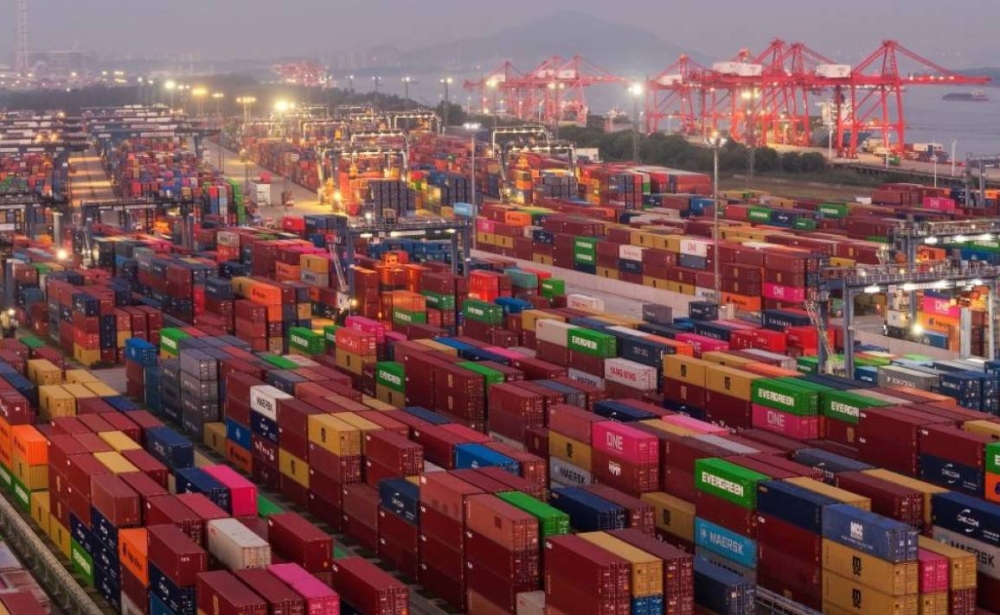
The Politburo meeting held in late July had promised increased fiscal spending, but Zhang noted that its implementation and effects may take time. Recent trade data revealed a surge in both exports and imports, primarily driven by heightened global demand for artificial intelligence (AI) technology products, providing much-needed support to China's manufacturing sector amid the prolonged decline in domestic consumption.
Written by urgent.news from Qatar Tribune Business's reporting — not their text. Machine-written — may contain errors; check the original before relying on it.