China eases Iran war aluminium shock, but at a cost
China has emerged as a significant swing supplier of aluminium to a Western market that is reeling from the loss of production in the Gulf due to the Iran war. The world's top aluminium producer ...
China has stepped up aluminium exports to a Western market struggling due to the Iran conflict, but this may come with consequences. As the top aluminium producer globally, China lifted shipments of primary metal, alloys, and semis, providing short-term relief to the supply chain. However, there could be a longer-term impact. China's exports are primarily influenced by tax codes – primary metal faces a 30% export tax, while alloys and semis can leave the country tax-free.
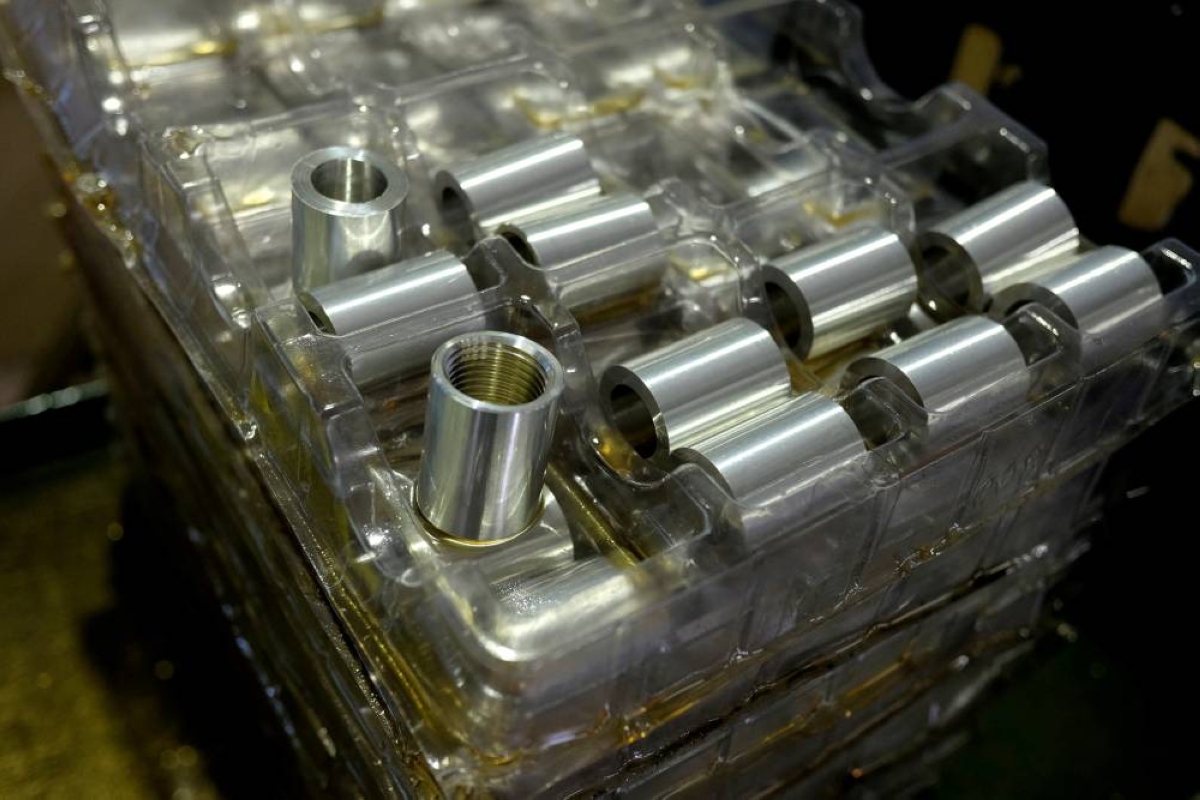
Consequently, most of China's current aluminium shipments are in alloy and semi-manufactured forms, such as bars, rods, and tubes. While first-half shipments rose by 32% year-on-year to 38,400 metric tonnes, much of this metal is likely Western aluminium stored in bonded warehouses being redirected to Western markets. For instance, China exported 9,700 tonnes to the US from January to June, yet US customs only recorded 70 tonnes of Chinese imports in the same period.
Alloy exports, on the other hand, are growing rapidly, nearly doubling to 238,500 tonnes in the first six months of 2026. China turned into a net exporter of alloy in June for the first time since 2019. Meanwhile, China produced an additional 500,000 tonnes of semis, with cumulative volumes up 18% year-on-year at 3.2 million tonnes from January to June.
The June tally of 695,000 tonnes marked a new monthly record. These exports help suppress demand for unwrought metal by substituting for it further down the processing chain. However, this leads to fabricating activity shifting from the rest of the world to China. China's alloy exports have been a point of contention for Western policymakers, who have imposed steep anti-dumping tariffs on a wide range of products.
In response, Beijing removed a 13% value-added tax export rebate in December 2024, causing export volumes to drop by 18% to 890,000 tonnes last year as Chinese processors shifted to the domestic market. Nonetheless, the Iran war has reinvigorated outbound flows due to a stressed Western supply chain and a lenient internal market.
China's aluminium demand has remained flat over the first half of 2026, with primary aluminium production growing by 2.2% over the same period. China's smelters are now operating near or slightly above Beijing's mandated 45-million-tonne-per-year capacity cap. China's capacity to maintain high export levels remains, comforting the London Metal Exchange market where aluminium prices have dropped from a four-year high of $3,787.50 per ton in early June to $3,270.00.
However, the longer Western manufacturers need Chinese products to help rebalance, the greater the potential long-term cost for them.
Written by urgent.news from Gulf Times Business's reporting — not their text. Machine-written — may contain errors; check the original before relying on it.