China dark tourism on the rise as adventurers brave simulated disasters at experience centres
As dark tourism gains traction, some Chinese youth are embracing a related form of experiential travel, paying to confront simulated typhoons, floods, and other disasters while acquiring survival skills. Also referred to as grief tourism, dark tourism involves visiting sites linked to death, catastrophe, and human suffering. Its origins trace back centuries, including connections to 17th century…
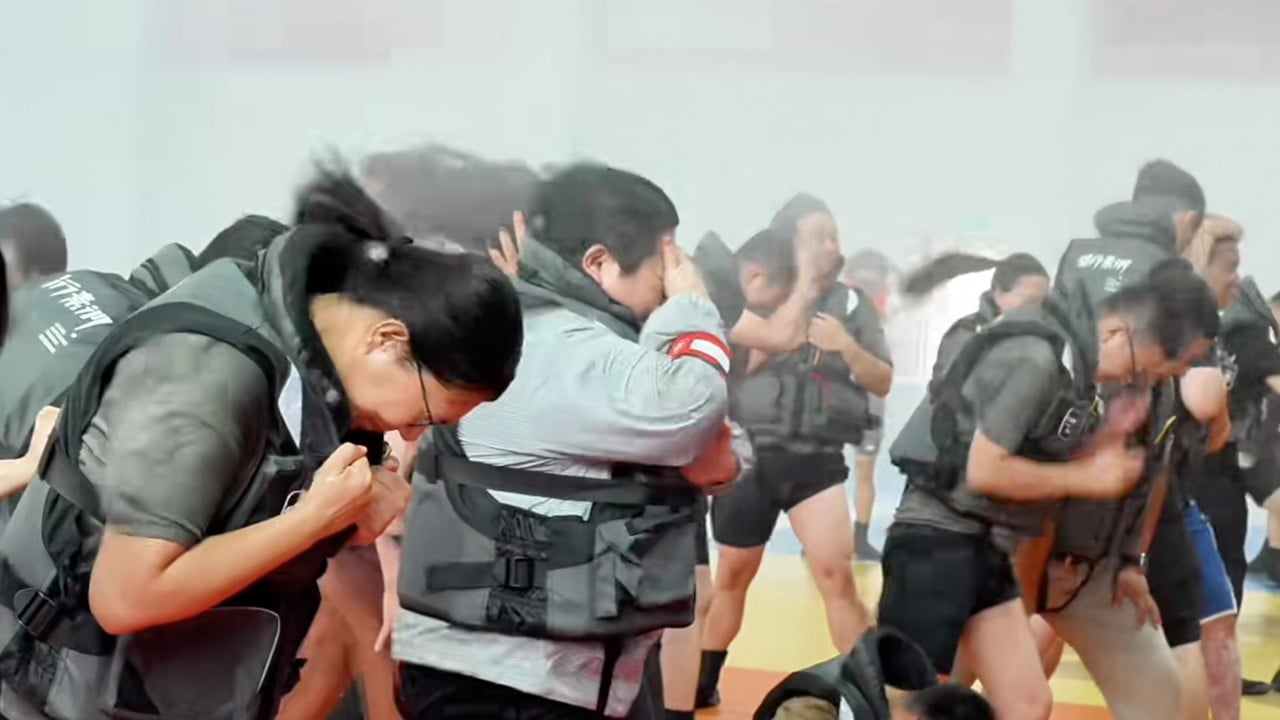
Dark tourism, a form of experiential travel involving sites connected to death, catastrophe, and human suffering, has gained popularity in China, particularly among younger generations. This trend, also known as grief tourism, allows visitors to confront simulated disasters and gain survival skills, often for a fee. One such centre, Lvxing Base, located in Hangzhou, eastern China, opened in September 2024 and has quickly become an internet sensation.
For 899 yuan (approximately US$135), adults can experience simulated typhoons, torrential rain, and flash floods, while a family package for nearly 5,000 yuan includes wilderness survival and water rescue training. Children aged six to 14 can participate in select activities. The centre generates winds of up to 165km/hour, and safety staff are on hand to assist anyone who becomes distressed.
Participants don thermal suits and helmets before entering the simulations, and instructors provide training in rescue and disaster response skills. One visitor, Xiaofei, who grew up in a coastal city, shared her experience of the urban flooding simulation, describing the suffocating fear that made her forget she was merely 'experiencing' a disaster. Another visitor noted the sense of human solidarity among a group of foreign tourists.
Social work professor Zhang Yong suggests that the appeal lies in confronting a dangerous yet controlled crisis, which can boost individuals' confidence in their abilities. The concept originated with Zhang Xinyu and Liang Hong, known as China's "crazy couple," who have ventured into volcanoes, near nuclear sites, war zones, and the Antarctic. They hope to distill their experiences into a survival education program, teaching practical skills and fostering a deeper respect for nature.
While some believe disaster experience centres are a valuable way to teach survival skills, others question whether transforming tragedy into entertainment risks trivializing the suffering of those who have experienced real disasters. China also has free dark tourism sites, such as memorials for the 2008 Wenchuan earthquake and the Nanking Massacre, which are grounded in real loss and collective memory.
Research indicates that the authenticity of these sites can enhance visitors' awareness of mortality, reinforcing self-esteem, family ties, and national identity.
Written by urgent.news from South China Morning Post's reporting — not their text. Machine-written — may contain errors; check the original before relying on it.