Canadian auto billionaire’s fortune doubles even with US tariffs
Shares of Linda Hasenfratz's Linamar climbed 27% in 2026 after Trump's tariffs spared auto parts, which make up more than 60% of its earnings.
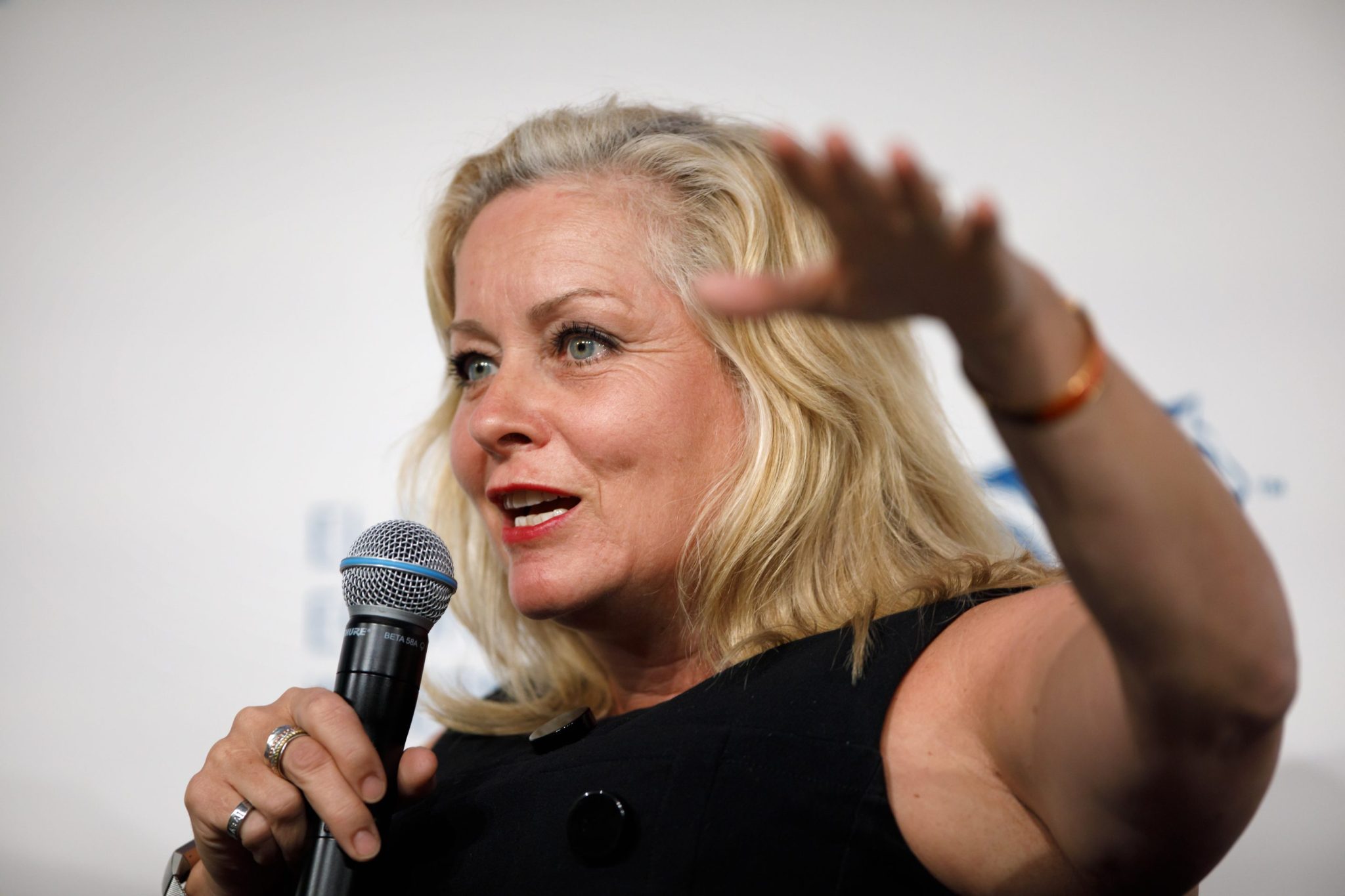
When US President Donald Trump initially placed tariffs on the Canadian auto industry, Linda Hasenfratz's billionaire status was at risk. Her majority net worth is invested in Linamar Corp., the auto parts and industrial equipment manufacturer founded by her father and she has operated for over two decades. After the initial tariffs announcement last year, Linamar's stock plummeted, causing her fortune to drop to approximately $800 million.
However, Linamar's shares have since rebounded to near record highs, catapulting Hasenfratz's net worth to $1.8 billion, according to Bloomberg Billionaires Index. This shift might indicate both a cap on Trump's ongoing trade pressure on Canada, and a potential path forward for Canadian manufacturers. "Tariffs are short-term problems," Hasenfratz, 60, who serves as Linamar's executive chair, stated in an interview with BNN Bloomberg Television.
"Our business is largely tariff-free." Linamar's shares have climbed about 27% this year in Toronto, surpassing the 16% increase of the S&P/TSX Composite Index. This growth, despite a one-day decline on Thursday following the company's earnings report, which fell short of analysts' expectations. Linamar's success can be attributed to auto parts being exempt from the 25% tariff on assembled vehicles as long as they comply with the existing US-Canada-Mexico trade deal.
Although Trump didn't renew this deal this year, it remains in place for another decade. The recent 50% tariffs still exempt auto parts, which account for more than 60% of Linamar's earnings. U.S. car manufacturers and consumers have been resistant to relocating Canada's larger parts manufacturing industries due to the high costs involved.
Bank of Nova Scotia analyst Jonathan Goldman stated, "It's very hard for parts production to be displaced wholesale from Canada to the US." Linamar has leveraged its tariff advantage by making acquisitions in Germany and the U.S., which have added technological capabilities and boosted sales to a record high. Hasenfratz is open to further acquisitions, recognizing the increased stress on the supply chain and the growing pipeline of distressed companies.
Linamar's history dates back to 1966, when Canada signed an agreement with the U.S. to remove tariffs on cars and auto parts. Its original name, Linamar, was created by combining the first names of Hasenfratz's two daughters and her wife. The company's automotive parts business expanded globally under her leadership and diversified into heavy agricultural equipment and industrial lifts, accounting for nearly 40% of earnings.
Despite the agricultural equipment sector facing a downturn, Linamar's industrial lift sales are thriving. The company's battery-powered industrial lifts have gained popularity among U.S. builders constructing AI data centers, providing indirect exposure to the booming AI market. Linamar is also exploring other sectors, such as defense, robotics, and power generation.
Will Guy, an equity analyst at Veritas Investment Research Group, praised Linamar's ability to adapt and expand into various industries.
Written by urgent.news from Fortune's reporting — not their text. Machine-written — may contain errors; check the original before relying on it.