Canada’s inflation hits 3% as new US tariffs loom
The economy remains under pressure from US tariff threats, with no deal yet to prevent 50% tariffs taking effect on Aug 19.
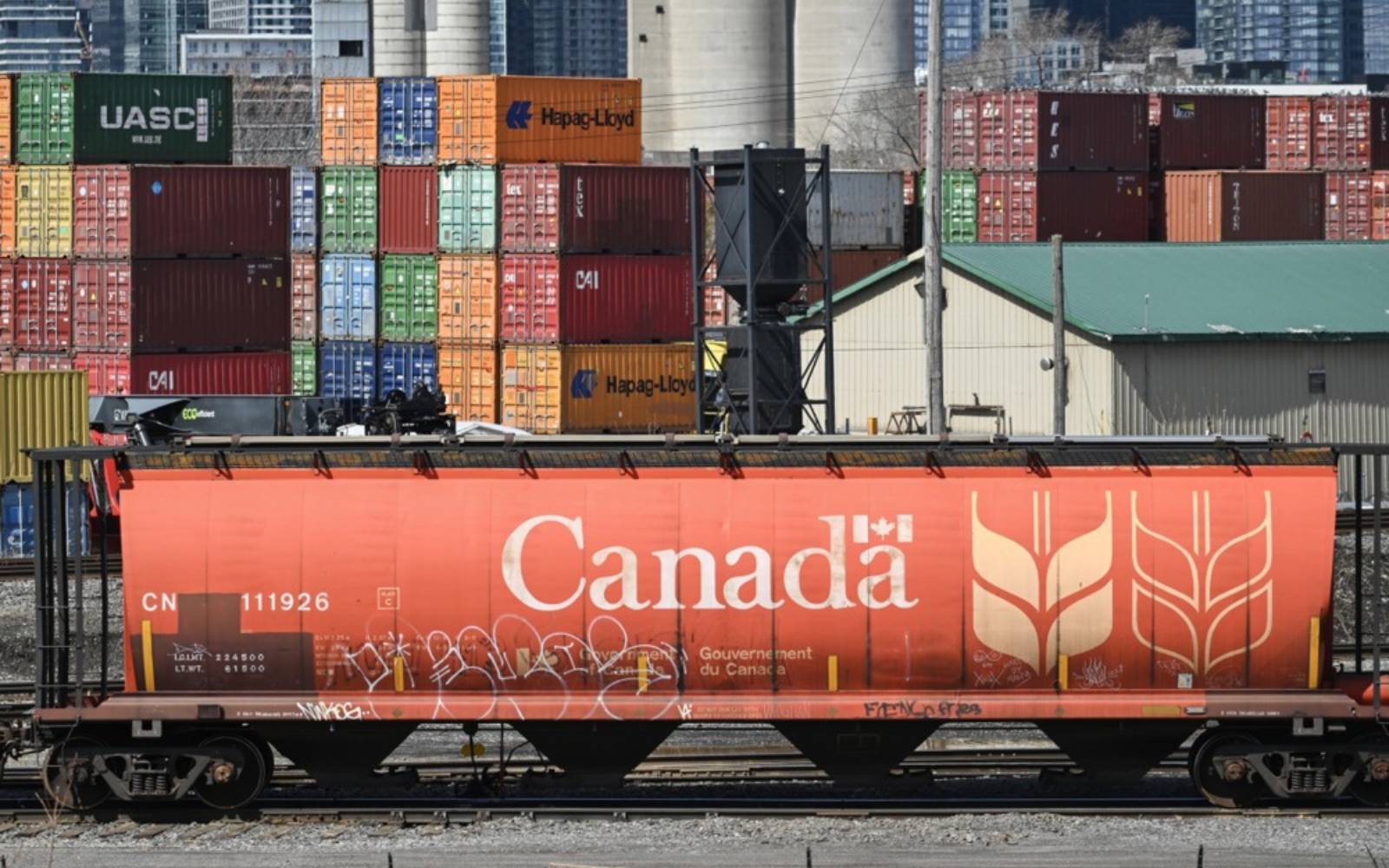
Canada experienced an annual inflation rate of three percent in July 2025, driven by surging gasoline prices. These prices jumped by 25.7% compared to July 2024 due to the Middle East conflict and shipping route disruptions. Prime Minister Mark Carney revealed that negotiations to prevent these new US tariffs were in a delicate and intense stage, though he refused to disclose details, stating it was premature to discuss negotiations publicly.
Gasoline prices, a major contributor to inflation, were significantly impacted by the conflict, which included the blockade of the Strait of Hormuz and the partial closure of Red Sea shipping routes. Additionally, tourism-related businesses, such as air travel, saw increased costs, bolstering the inflation rate. The World Cup, co-hosted by Canada, also added to the spending surge.
While the three percent inflation rate is at the upper limit of the central bank's preferred range, analysts do not anticipate an interest rate hike anytime soon due to the looming economic threats. US trade disputes were already considered a major risk before US President Donald Trump threatened to impose new 50% tariffs on Canadian goods starting August 19th.
Ottawa's negotiators have been actively seeking a deal to avoid these tariffs while seeking relief from sectoral levies affecting Canada's auto, steel, lumber, and aluminum industries. Canadian sources suggest the government has proposed concessions like reversing a ban on US alcohol and wine. However, the likelihood of an imminent deal remains uncertain.
When asked about Canada's potential response to the upcoming tariffs, Prime Minister Carney expressed his intention to speak with Trump this week and had a comprehensive plan ready to address all possible scenarios. Senior economist Leslie Preston from TD Bank noted that the recent inflation data would not prompt the Bank of Canada to raise interest rates, attributing this to existing trade tensions with Washington.
Canada continues to grapple with the uncertainty and confidence shock stemming from the on-again, off-again threat of US tariffs, which remains a significant downside risk to the Canadian economy.
Written by urgent.news from Free Malaysia Today's reporting — not their text. Machine-written — may contain errors; check the original before relying on it.
This story
This is one outlet's version. Read the fullest account.
- Canada’s inflation hits 3% as new US tariffs loom freemalaysiatoday.com