Can chole be used to make curd culture? Experts explain the viral hack
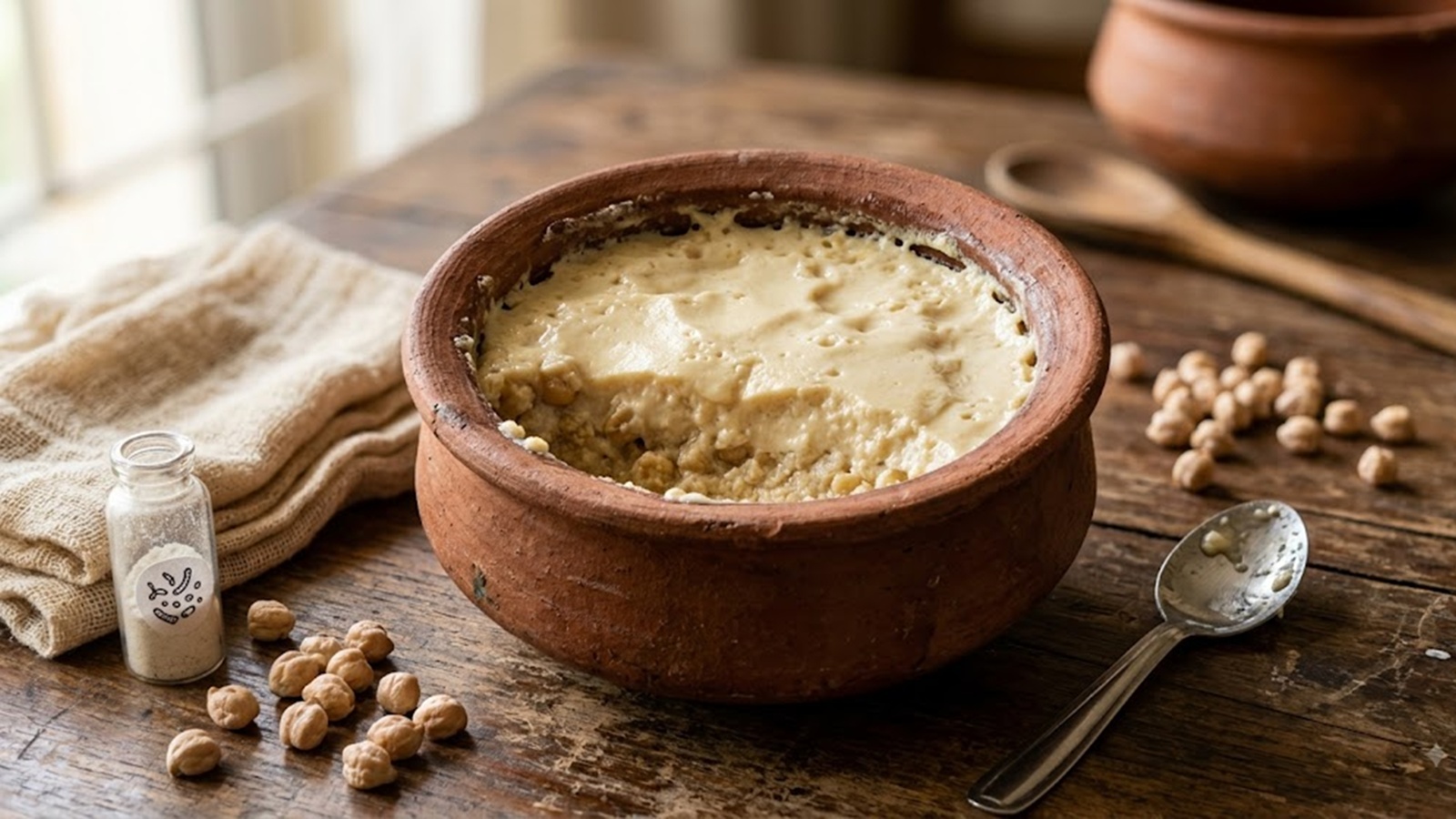
Social media users have been sharing a viral method of making curd culture from chickpeas, or chole. To verify this claim, we consulted culinary expert Chef Swapnil Mule and dietitian Dt Amreen Sheikh.
Mule confirmed that chickpea-curd can indeed be made by soaking the legumes overnight to initiate fermentation. This process creates synbiotics, where fibers from the chickpeas promote the growth of beneficial bacteria like Lactobacillus. To make the starter, Mule suggested grinding the soaked chickpeas into a paste using a small amount of reserved and fresh water, then fermenting the mixture at room temperature until it develops a mildly sour smell and taste.
Sheikh, however, noted that the fermentation process using chickpeas differs from the traditional method of using a spoonful of regular curd as a starter. The microbial makeup in this case is less predictable, emphasizing the importance of cleanliness and proper fermentation conditions. Regular dairy curd is made with established lactic acid bacteria, mainly Lactobacillus species, which ferment lactose in milk, providing high-quality protein, calcium, and other nutrients.
Chickpea-based fermented products are naturally dairy-free and can be beneficial for those who avoid milk products. They offer plant protein, fiber, iron, folate, and other nutrients. Fermentation may also make certain components easier to digest and reduce anti-nutritional factors found in legumes. However, Sheikh clarified that nutritionally, chickpea fermentation does not make it equivalent to curd regarding calcium, protein quality, or probiotic content.
When making chickpea-based fermented curd at home, Sheikh advised using clean utensils, safe water, and proper storage. If the mixture develops an unpleasant smell, unusual color, mould, or excessive spoilage, it should be discarded. For consistent probiotic benefits, Sheikh recommends choosing a commercially prepared, fermented plant-based product with identified cultures.
Written by urgent.news from The Indian Express's reporting — not their text. Machine-written — may contain errors; check the original before relying on it.
Also reported by 1 other outlet
- Can chole be used to make curd culture? Experts explain the viral hack indianexpress.com