Ban on Chinese robots leaves U.S. startups stranded
Washington’s limits on foreign parts promises a supply chain revolution — but Silicon Valley founders say domestic alternatives don’t exist yet.
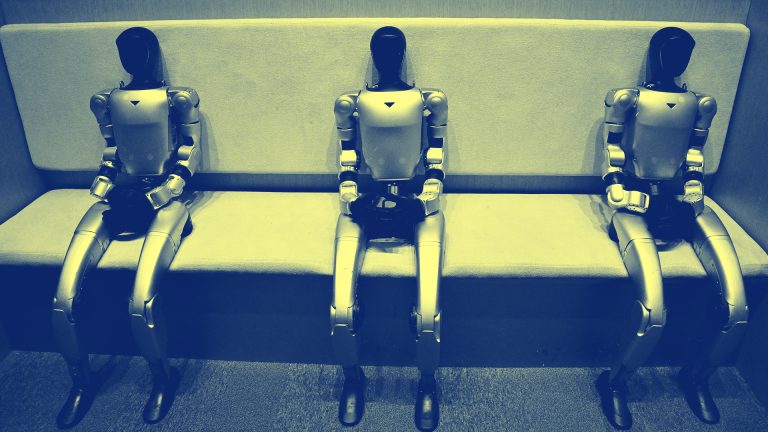
A new U.S. government ban on foreign-made robots is forcing startups to seek alternative manufacturing partners and accelerate onshoring efforts. The Federal Communications Commission added "advanced robotic devices" to its list of banned items, including humanoid robots, quadrupeds, and even robot vacuums and lawnmowers. To qualify for entry, a robot must be assembled in the U.S. with at least 65% of its components by value produced domestically, rising to 75% in 2029.
The ban, seen as targeting China, which dominates robotics manufacturing, is not targeted at any single country and robots already sold in the U.S. are unaffected. However, startup founders like Anto Patrex of CosmicBrain AI in San Francisco are struggling to meet the stringent requirements, as Chinese robots are essential for their product development.
Elizabeth Williams, founder of Gemma, said working with Chinese manufacturers was the only way to quickly prototype and iterate. Companies developing industrial humanoid robots, like Persona AI, have been sourcing parts from countries like Taiwan, Japan, South Korea, and Italy to avoid the ban. However, the FCC is urging companies to establish manufacturing in the U.S., citing supply chain vulnerabilities and potential national security risks.
Written by urgent.news from Rest of World Tech's reporting — not their text. Machine-written — may contain errors; check the original before relying on it.