At “Quasi-Public” Private Schools, 100% of Students Get Tuition Vouchers. There’s Almost No Accountability.
The post At “Quasi-Public” Private Schools, 100% of Students Get Tuition Vouchers. There’s Almost No Accountability. appeared first on ProPublica .
In Milwaukee, Wisconsin, a subset of private schools known as the "100% schools" receive all or a significant portion of their funding through state vouchers. These schools operate independently from traditional public schools in terms of oversight and transparency. As ProPublica's reporting uncovered, there are 39 such schools in the state, educating 7,923 children and receiving roughly $87 million in voucher money.
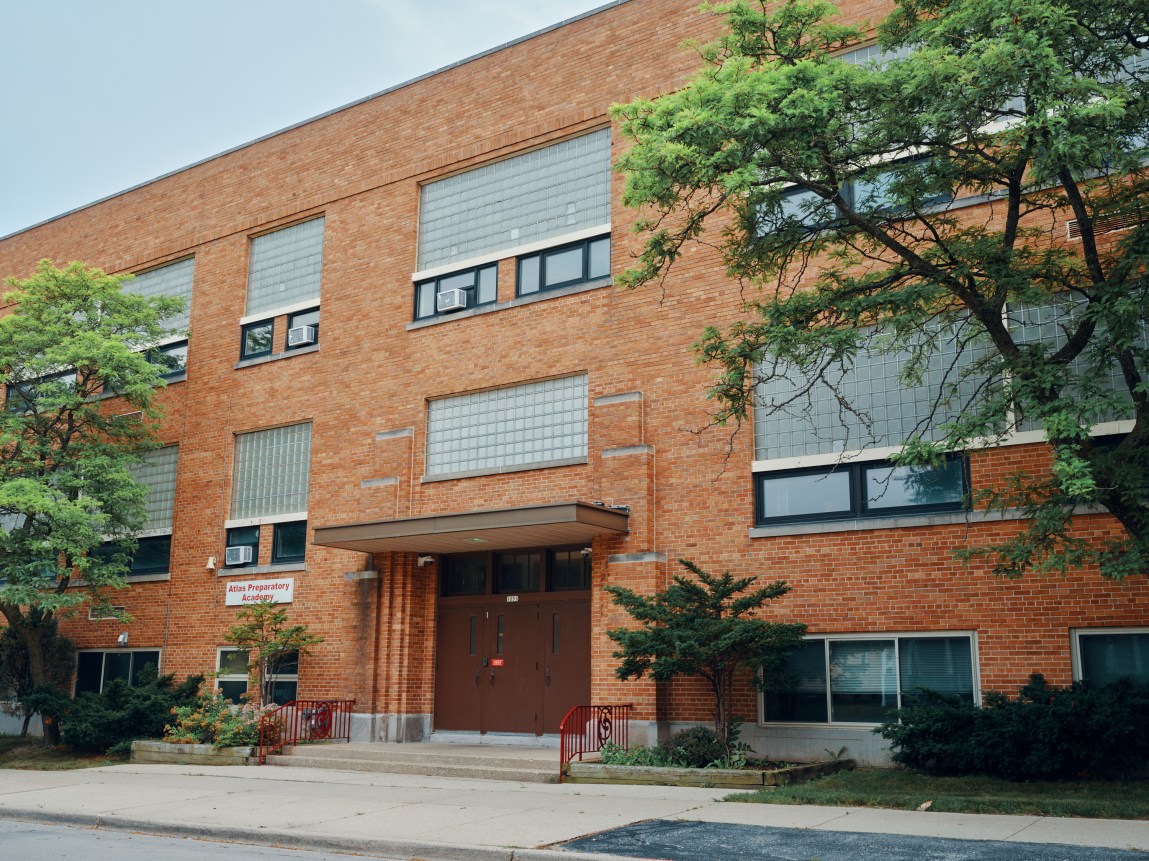
The Atlas Preparatory Academy in Milwaukee, a 100% school, received over $4.3 million in vouchers for 357 students in grades K-12, despite low test scores and declining enrollment.
One of the issues with these voucher schools is the lack of accountability. For instance, the school's board chair received more than $150,000 in compensation in 2024, which would be prohibited in a traditional public school. Additionally, the chair's accounting firm received tens of thousands of dollars from the school for accounting and consulting services. This arrangement diverges from the governance standards typically expected of nonprofits.
Furthermore, voucher schools are not required to serve all children with disabilities, unlike public schools. Transparency is also lacking, as voucher schools do not have to make governing board meetings accessible to the general public, unlike public schools required by Wisconsin's open records law. Additionally, voucher schools are not required to administer or report standardized test scores.
Despite receiving taxpayer-funded tuition, voucher schools may still receive additional revenue from investments, fundraising, and grants. However, they remain heavily dependent on tax dollars to sustain their operations. ProPublica suggests that, if voucher schools are considered quasi-public, they should be subject to financial sanctions, turnaround efforts, or even closure for low-performing schools, as suggested by the state Department of Public Instruction in 2011. While financial documents are available upon request, they can be challenging to locate.
To further investigate these voucher schools, readers can utilize annual IRS information filings for nonprofit schools on ProPublica's Nonprofit Explorer page, as well as independent financial audits required by the state, which are accessible through the state Department of Public Instruction.
Written by urgent.news from ProPublica's reporting — not their text. Machine-written — may contain errors; check the original before relying on it.