Asian shares mark time as Gulf war keeps oil prices up
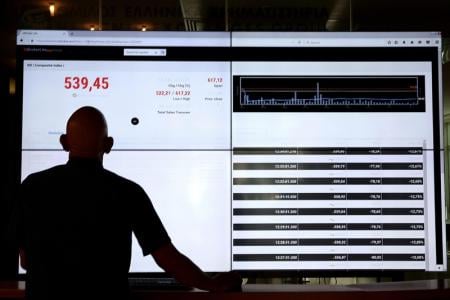
SYDNEY: Asian shares drifted sideways on Monday while investors kept a wary eye on oil prices, which notched sizeable gains last week as the lack of progress towards ending the Iran war kept inflation risks tilted to the upside.
Asian shares remained relatively stable on Monday as investors closely monitored oil prices, which experienced significant increases the previous week due to ongoing conflict in Iran and the potential for rising inflation. The lack of progress in peace negotiations and halted oil tanker traffic through the Strait of Hormuz continued to tilt inflation risks upward.
Iran had urged the US to concede defeat, while President Trump advised Americans to brace for higher gasoline prices as the conflict persisted. The recent strikes in southern Lebanon claimed the lives of at least 11 individuals, according to the Lebanese health ministry, marking one of the deadliest incidents since a US-mediated peace framework was agreed upon with neighboring Israel.
Brent crude oil remained stable at $88.50 per barrel following a 6% rise last week, while US crude dropped 0.3% to $82.12 a barrel, having gained 5.4% over the same period. Despite the absence of a resolution to the Iran/Hormuz impasse, analysts still anticipate that oil prices will generally remain within the $70-$100 range. Shane Oliver, chief economist at AMP, noted in a report that should the conflict fail to yield a sustainable peace deal, oil outflows from the Middle East would likely stay 10-15% below normal levels, necessitating higher oil prices as reserves dwindle.
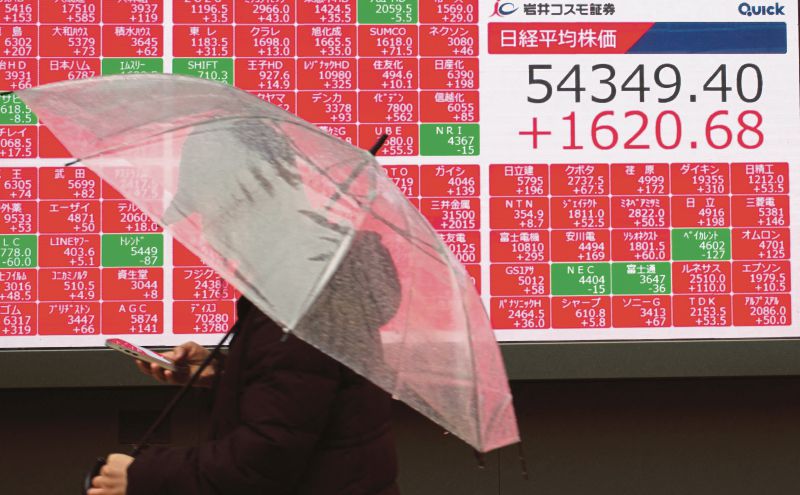
MSCI's Asia-Pacific broad index excluding Japan saw minimal movement on Monday, whereas Japan's Nikkei edged up 0.4%. Australian resources-focused shares experienced a slight decline of 0.3%. South Korean markets were closed for a public holiday on Monday. In the United States, attention was focused on the release of China's July economic data, which had seen robust global AI demand fuel a surge in exports.
Forecasts suggest a deceleration in industrial output growth to 4.8% from 5.3% previously, while retail sales may have risen by 1.5%. European equities, measured by the EUROSTOXX 50 futures, saw a modest increase of 0.2%. The S&P 500 futures rose 0.1%, having touched a record high the previous week, while Nasdaq futures gained 0.2%.
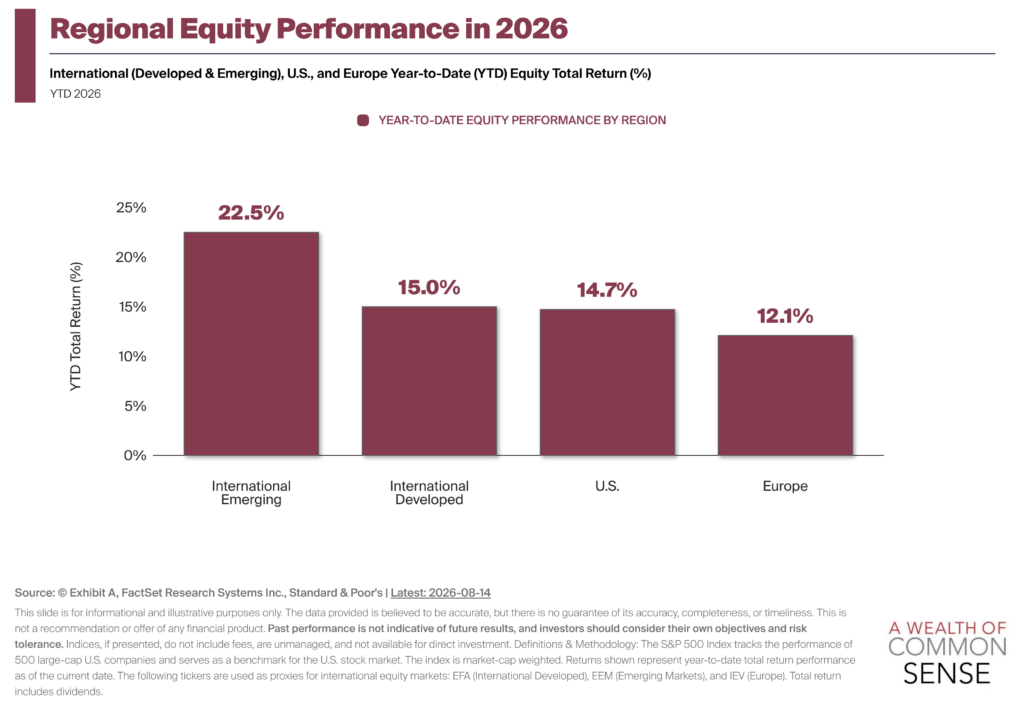
The bull market in stocks has been fueled by the decreasing likelihood of the Federal Reserve raising interest rates next month, now estimated at a 69% probability after a wave of subdued economic indicators. July retail sales marked the first contraction in nine months, and consumer sentiment deteriorated more than anticipated, dampening expectations for the Federal Reserve to initiate rate hikes promptly.
The key data point this week will be the August S&P Purchasing Managers' Index to gauge whether the mid-year uptick in US business activity will persist. Earnings releases this week are more limited, with Home Depot, Target, and Walmart providing insight into consumer strength. In bond markets, US Treasury yields declined on Monday after ending last week mixed.
The two-year yield fell 2 basis points to 4.156%, having dropped 3 basis points the previous week to its lowest level in seven weeks at 4.0977%. The 10-year yield slipped by 1 basis point to 4.684%, after rising by 4 basis points the prior week. Soft economic data has put downward pressure on the US dollar, with the euro edging up 0.1% to $1.1578, just shy of its two-month peak of $1.1585.
The dollar slipped 0.1% against the Japanese yen to 159.15. Gold stayed at $4,381 an ounce, marking a 0.8% increase from the previous week.
Written by urgent.news from New Straits Times's reporting — not their text. Machine-written — may contain errors; check the original before relying on it.
Also reported by 2 other outlets
- Asian shares mark time as Gulf war keeps oil prices up brecorder.com
- Asian shares mark time as Gulf war keeps oil prices up straitstimes.com