As Sicilians Flocked to a Religious Festival, Thieves Broke Into a Nearby Museum and Stole Four Renaissance Paintings
The missing works include three panels from a 15th-century altarpiece by Antonello da Messina, as well as a two-sided devotional painting by the artist
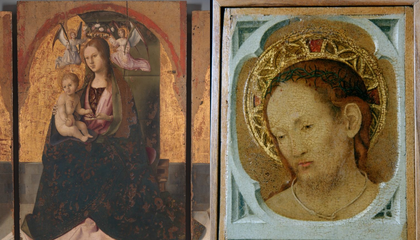
In Messina, Sicily, tens of thousands of people participated in the annual Procession of the Vara, a religious festival filled with floats and fanfare. Amidst the celebration, a museum heist transpired: unknown thieves exploited the large crowds, entering the Regional Museum of Messina undetected. Their target: Antonello da Messina's 1473 Polyptych of San Gregorio, an altarpiece featuring the Virgin Mary, Jesus, and saints.
From the five surviving panels, the criminals removed three, while two were later found outside the museum. Additionally, a small devotional painting of the Madonna and Child was stolen, its frame broken during the theft. Marisa Mercurio, the museum's director, lamented the loss as "extremely serious and significant," emphasizing the cultural, artistic, and symbolic importance of the stolen works.
The Polyptych had been on display in Messina for the first time since its creation, and it was the only piece by Antonello remaining in the city. Oil painting allowed Renaissance artists to create intricate details and textures, with Antonello contributing to this technique by blending Flemish and Italian influences. The theft occurred just days after the recovery of three Renoir, Cézanne, and Matisse paintings worth over $10 million.
The Italian government recently purchased Antonello's Ecce Homo for $14.9 million. The mayor of Messina expressed outrage, vowing not to let the city's history be stolen.
Written by urgent.news from Smithsonian's reporting — not their text. Machine-written — may contain errors; check the original before relying on it.