Are courts precluded from granting fair compensation for nuclear mishaps: Supreme Court
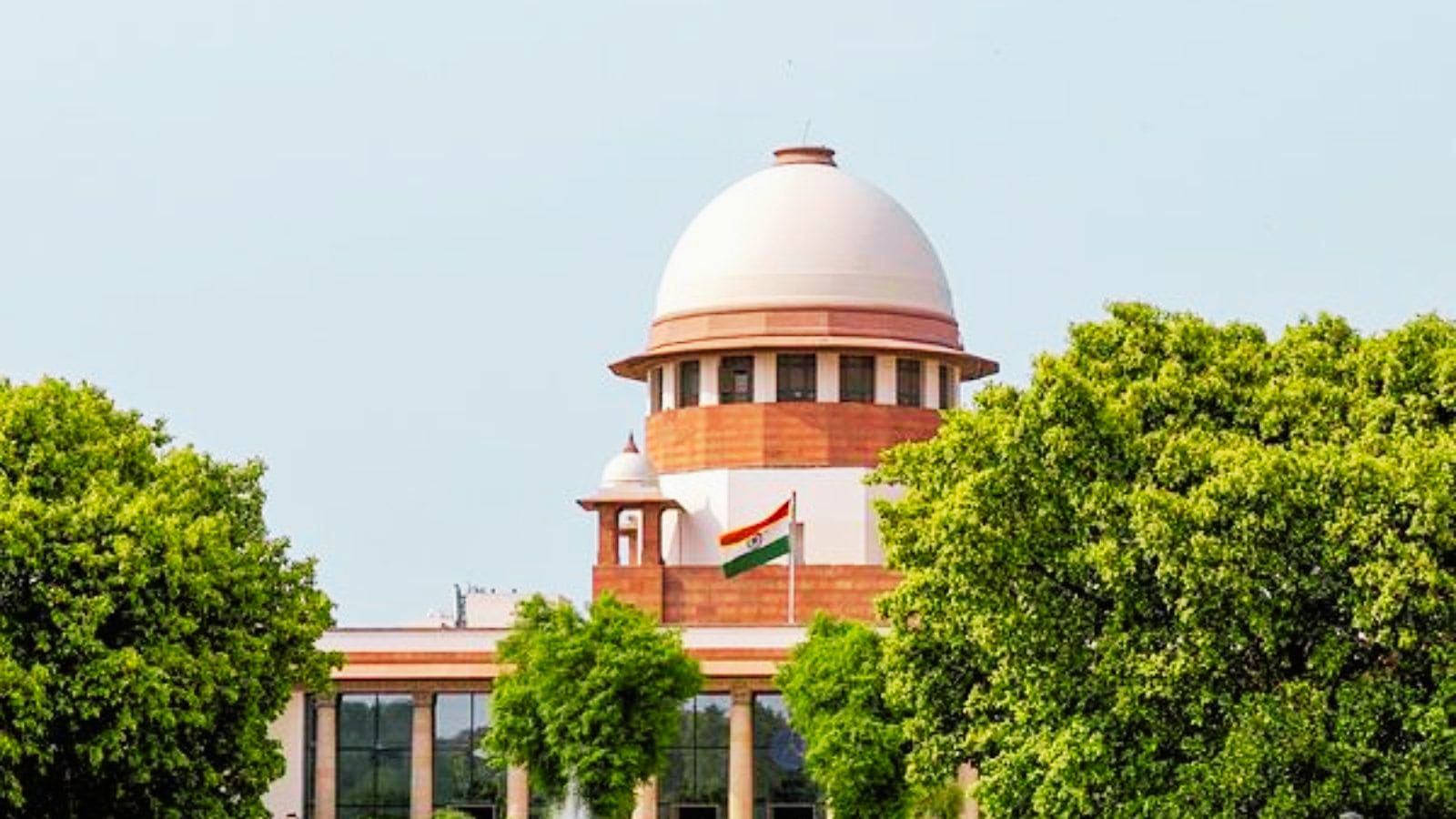
The Supreme Court asked the government on Monday whether the recently enacted Sustainable Harnessing and Advancement of Nuclear Energy for Transforming India (SHANTI) Act, 2025, would prevent constitutional courts from determining a "fair and just" monetary compensation in the event of a nuclear mishap. The three-judge bench, headed by Chief Justice of India Surya Kant, also inquired about potential conflicts of interest arising from Section 17(4) of the Act, which allows for the appointment of the Atomic Energy Regulatory Board's (AERB) Chairperson and Members.
The court is hearing a plea that argues the government's decision to cap the liability of private nuclear operators in case of a nuclear disaster will incentivize the operators to cut corners to reduce costs. Appearing for the petitioners, advocates Prashant Bhushan and Neha Rathi argued that the Act caps the operator's liability at Rs 3,000 crore and the government's residual liability at Rs 4,500 crore, which is significantly lower than the real costs seen in disasters at Chernobyl and Fukushima.
Bhushan contended that a cap on liability does not absolve courts of their responsibility. He also pointed out that the Supreme Court has previously held that operators of hazardous industries must bear unlimited liability if an accident occurs due to their negligence. Additionally, the AERB, which is responsible for regulating nuclear plants, also manages some of them, raising concerns about potential conflicts of interest and undermining the principles of regulatory independence enshrined in international conventions.
Written by urgent.news from The Indian Express's reporting — not their text. Machine-written — may contain errors; check the original before relying on it.