Anxious Chinese mothers turn to pricey ‘parent awakening camps’ for academic help
Controversial “parent awakening camps” are attracting anxious Chinese mothers willing to invest significantly in confronting gaming addiction and poor academic performance. Promoted by an increasing number of family-education services on mainland social media, these programmes promise to transform parenting practices and mend strained family relationships. Reports from mainland media indicate two…
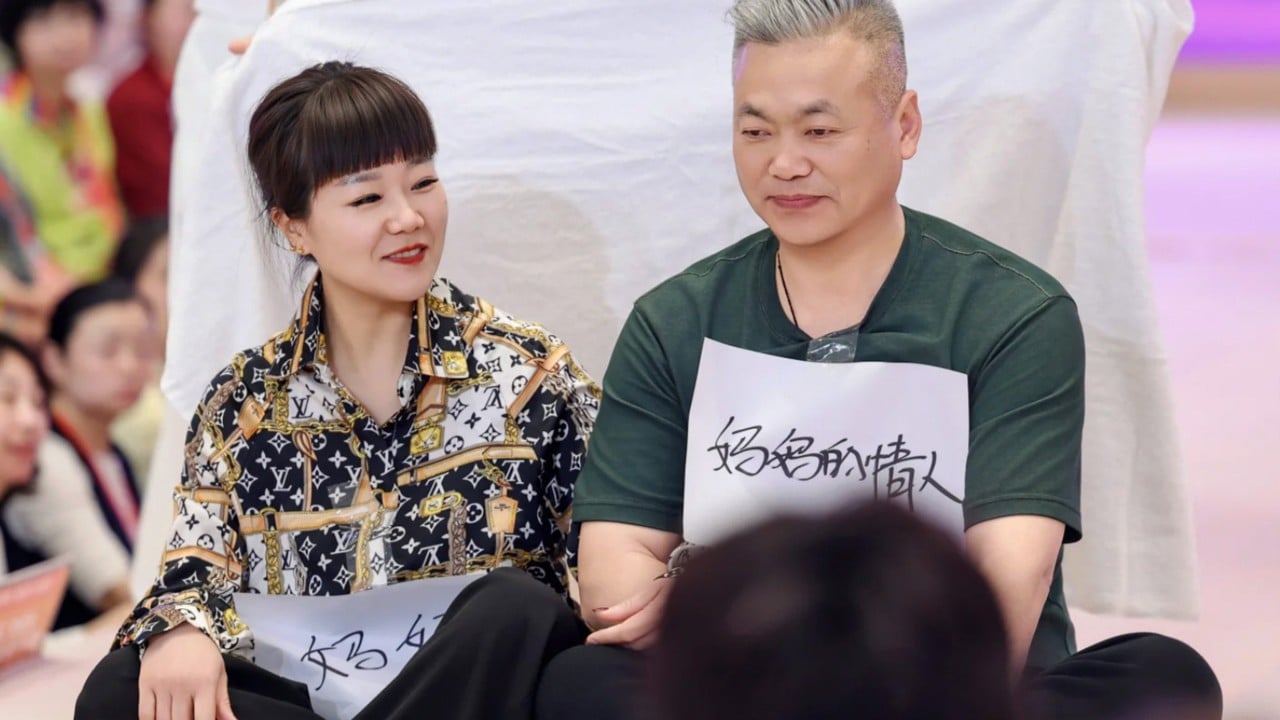
Controversial "parent awakening camps" have become a popular choice for anxious Chinese mothers seeking solutions to their children's academic struggles and gaming addiction. These programs, promoted on mainland social media, aim to change parenting styles and mend family relationships, promising transformative results. Two primary models have emerged: traditional courses led by certified counselors and expensive schemes criticized for exploiting parental anxiety through misleading promises and unqualified instructors.
Most participants are middle-aged women from traditional households, where men are the primary breadwinners and women shoulder most domestic and child-rearing duties. Zhang Ruilian, from Shandong province, spent nearly 30,000 yuan (US$4,500) on a camp called Wise Parents Awakening Camp after her adult daughter refused to marry, blaming her for "not knowing how to raise a child."
The camp used unusual exercises, such as tying parents to simulate the feeling of being controlled, and instructed parents to speak honestly to fellow participants, aiming to rebuild family bonds. Another mother, Wang Hui, invested over 100,000 yuan (US$15,000) on a similar program after her son stopped attending school. She was advised to recite a "Parents’ Energy Affirmation" and trust her child, but his situation worsened.
When she sought a refund, the instructor urged her to persist, stating that "a mother will do anything for her child." Instructors often share success stories, though such claims are hard to verify. Supporters argue that parenting is a continuous learning process, while critics accuse some operators of capitalizing on parental anxiety by attributing children's problems to parents, fostering guilt.
Social media users suggest seeking help from qualified professionals instead. A social media user questioned why parental failures are often blamed on mothers while fathers remain unscathed. Another observer called for stricter regulation due to the inconsistent quality among family-education providers. This phenomenon also highlights deep-seated educational anxiety in Chinese families, ranging from "tiger mums" and "wolf dads" to the later "chicken-blood parenting" trend of overwhelming children with tutoring and competitions, with many parents viewing their children's grades, careers, and even marital prospects as reflections of their own success.
Written by urgent.news from South China Morning Post's reporting — not their text. Machine-written — may contain errors; check the original before relying on it.