Analysis: RI’s 5.29 percent growth tests sustainability of fiscal expansion
Statistics Indonesia (BPS) announced that Indonesia’s economy expanded 5.29 percent year-on-year (yoy) in the second quarter of 2026, marking notable growth above the 5 percent threshold amid continued global uncertainty and geopolitical tensions. The figure also improved from 5.12 percent in the same quarter last year, suggesting that President Prabowo Subianto’s increasingly expansionary fiscal…
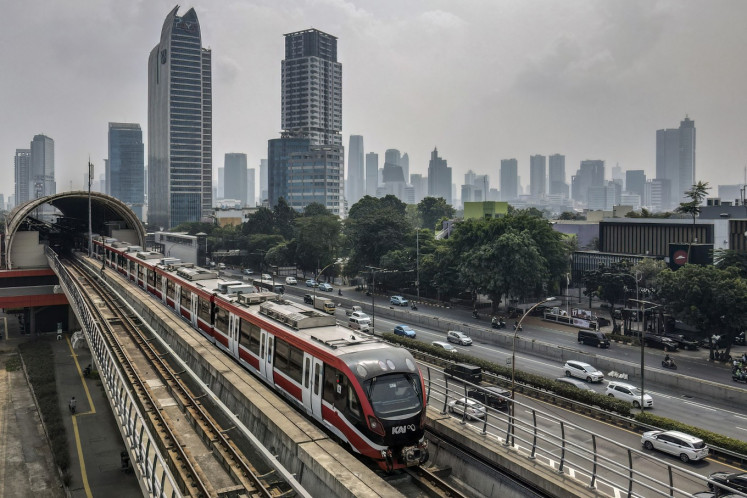
Indonesia's economy expanded 5.29 percent year-on-year in the second quarter of 2026, surpassing the 5 percent growth threshold amid global uncertainty and geopolitical tensions. This marked improvement from 5.12 percent in the same quarter last year, signaling the effectiveness of President Prabowo Subianto's expansionary fiscal policies.
The government's spending on flagship programs, such as the Red and White Cooperatives and free nutritious meal initiative, has contributed to this growth but raises concerns about the fiscal cost of maintaining this momentum. Manufacturing, particularly food and beverage, metal, electronics, and chemicals, played a significant role in the growth, accounting for a substantial share of GDP.
Electricity and gas procurement also saw notable growth, driven by electricity services. The government's role in sustaining growth is evident through increased government consumption expenditure, with a 15.97 percent year-on-year increase. However, the long-term sustainability of this growth depends on the self-sufficiency of these programs and their ability to generate economic activity beyond the initial government spending.
Written by urgent.news from The Jakarta Post's reporting — not their text. Machine-written — may contain errors; check the original before relying on it.
Also reported by 1 other outlet
- Analysis: RI’s 5.29 percent growth tests sustainability of fiscal expansion thejakartapost.com