Analysis-Emerging markets march out of 'valley of tears' as investors diversify
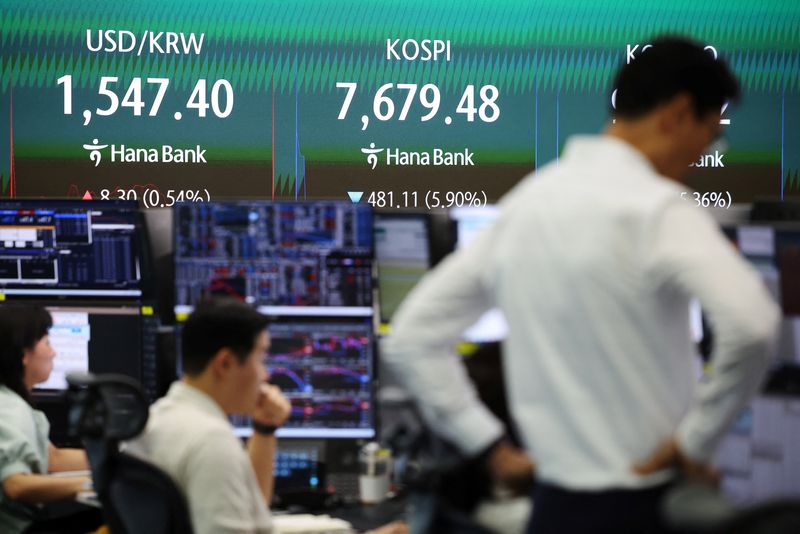
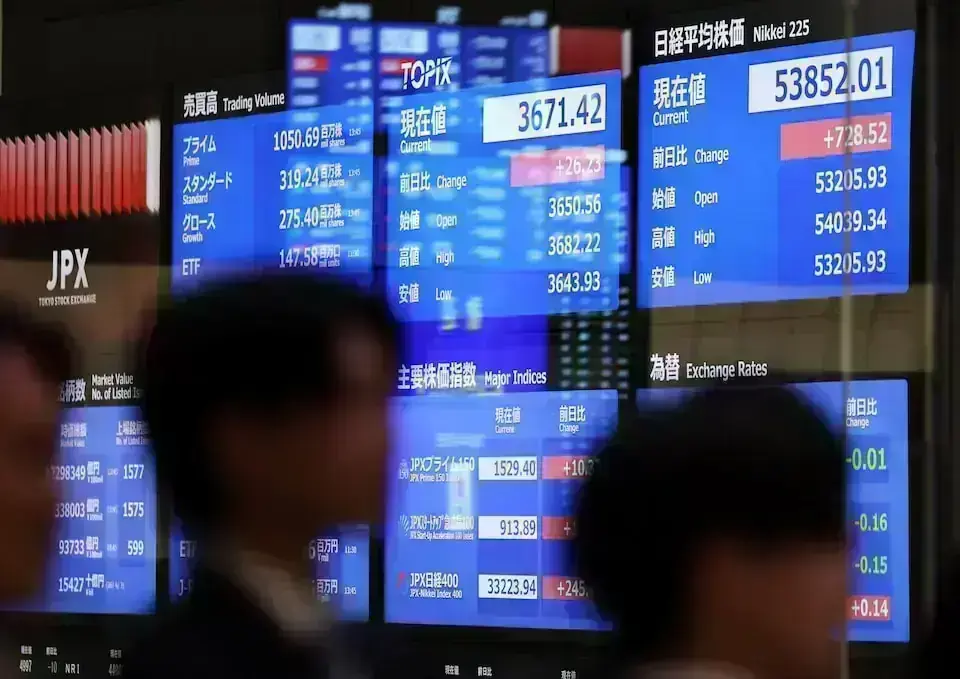
War, tariffs, and artificial intelligence fluctuations have not dampened the influx of capital into emerging markets, as reforms, deeper local financial markets, and diversification from U.S. assets are reshaping the asset class. Inflows into emerging market debt surged to a two-decade high in 2025, with governments issuing record amounts of bonds.
Improved policymaking, stronger foreign exchange reserves, and growing domestic investor bases have shielded countries from market shocks. David Hauner, Bank of America's head of emerging markets fixed income strategy, noted that the past decade saw significant outflows, but the current inflows are still far from compensating for that loss.
The ongoing conflict in the Strait of Hormuz has driven up oil and fertilizer prices, contributing to inflation, while concerns about potential U.S. Federal Reserve interest rate hikes have kept the dollar strong against emerging market currencies. Despite these challenges, the fundamentals in developed economies have weakened, with high debt-to-GDP ratios, while emerging markets have bolstered central bank independence and foreign currency reserves.
Foreign investors poured $214.4 billion into emerging market debt through July, up from $177.7 billion the same period last year, and governments issued $19 billion of bonds in July alone, bringing year-to-date issuance to a record $187 billion. Capital Economics' aggregate emerging market currency risk indicator remains near multi-year lows.
AI-driven volatility in emerging market equities remains a concern, with $86 billion in equities outflows through July, nearly ten times the outflows in the same period in 2025. Investors caution that emerging and frontier markets are vulnerable to food inflation and El Niño impacts. Emerging economies are increasingly financing themselves through domestic debt markets, with local-currency sovereign bonds outstanding totaling nearly $13 trillion by end-2024, compared to about $1.4 trillion in international hard-currency sovereign debt.
The pattern of how shocks spread into emerging market financial markets has changed, with large local investors providing a stabilizing role and reducing liquidity crunches in most countries. Concerns over inflation risks due to El Niño and rising fertiliser costs remain, but experts believe there is still room for further investment growth.
Written by urgent.news from Yahoo Finance's reporting — not their text. Machine-written — may contain errors; check the original before relying on it.