Aid shortages and fears of starvation as Indonesia reels from deadly earthquake
Some 53 people were killed and thousands displaced by the earthquake, which struck early on Saturday.
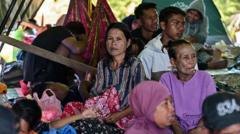
Indonesia is grappling with a devastating earthquake that has left hundreds of people dead and thousands more displaced. The 7.7 magnitude quake struck the island of Flores on Saturday, causing widespread destruction to health facilities and leaving doctors with an overwhelming number of casualties. Dr Melinda, the sole physician at the damaged Dampek Health Centre, expressed her struggles in coping with the influx of victims who continue to arrive every hour.
The aftershocks still rattle makeshift shelters, and medical supplies are rapidly dwindling. As landslides block access roads, aid deliveries are delayed, exacerbating concerns about the island's ability to withstand the ongoing disaster. At least 68 people have lost their lives, and 5,000 have been displaced by the quake, which is the deadliest in Indonesia since 2022.
Search-and-rescue teams and volunteers, including medical personnel, are working tirelessly to reach affected communities. Dr Alhamzah, who works at the Lalang Health Centre, reported that teams from regional hospitals are finally delivering the much-needed assistance to areas like Dampek and Pota. However, Ruteng's hospital also urgently needs help, as it too is struggling to provide care.
Early data suggests over 1,000 homes were damaged, along with dozens of health facilities, schools, and government offices. Indonesia, situated along the meeting point of three major tectonic plates, is no stranger to earthquakes and volcanic activity. In Flores' westernmost town of Labuan Bajo, survivors sleep outdoors due to fear of their homes collapsing during continued tremors.
Basic necessities such as food and water are in high demand, and many residents lack guidance on evacuation routes. Health services across the island have been forced to set up emergency tents due to damaged facilities. The government's response has been criticized for being slow, with villages cut off from aid and displaced people forced to seek higher ground.
Dr Alhamzah has appealed for medical volunteers and medical supplies, warning that medicine stocks are running critically low.
Written by urgent.news from BBC News's reporting — not their text. Machine-written — may contain errors; check the original before relying on it.
This story
This is one outlet's version. Read the fullest account.